African mediation history, from behind closed doors
An animated history of mediation in Africa, made for ACCORD to mark 50 years of the OAU and African Union.
The need
Who they needed to reach
African Union member states, diplomats, peace practitioners and the public marking 50 years of the OAU and African Union
What stood in the way
Mediation is one of Africa's most important tools for preventing and ending conflict, yet it is almost invisible. Most of the work is quiet diplomacy behind closed doors, so very little footage of it exists. ACCORD needed to tell 50 years of that history, from the founding of the Organisation of African Unity in 1963 to the African Union's peace and security architecture, without the film material a history documentary would normally rely on.
What success looked like
A film that gives African mediation the recognition it deserves, and shows how the continent built its own tools for making peace.
How we met the need
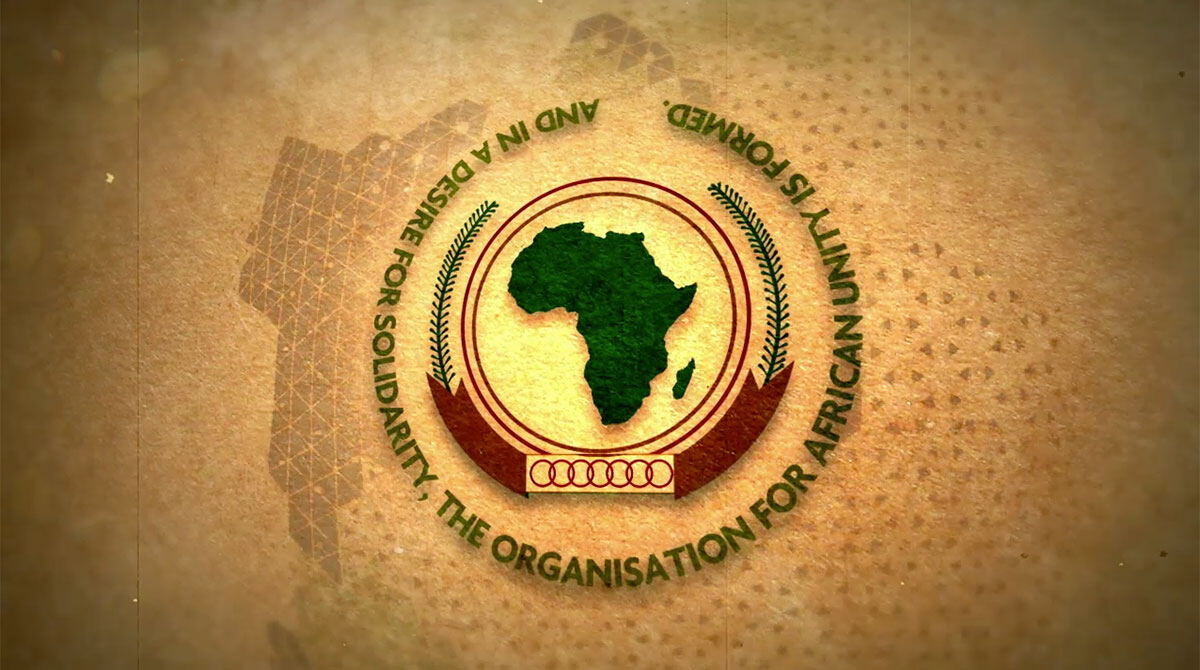
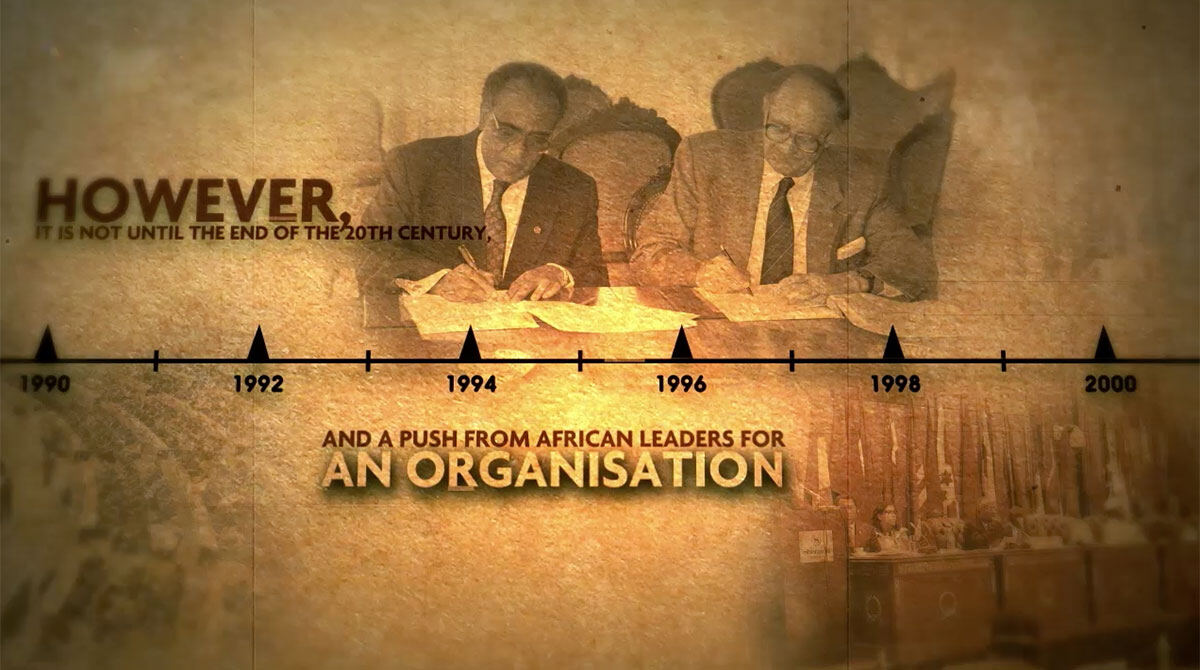
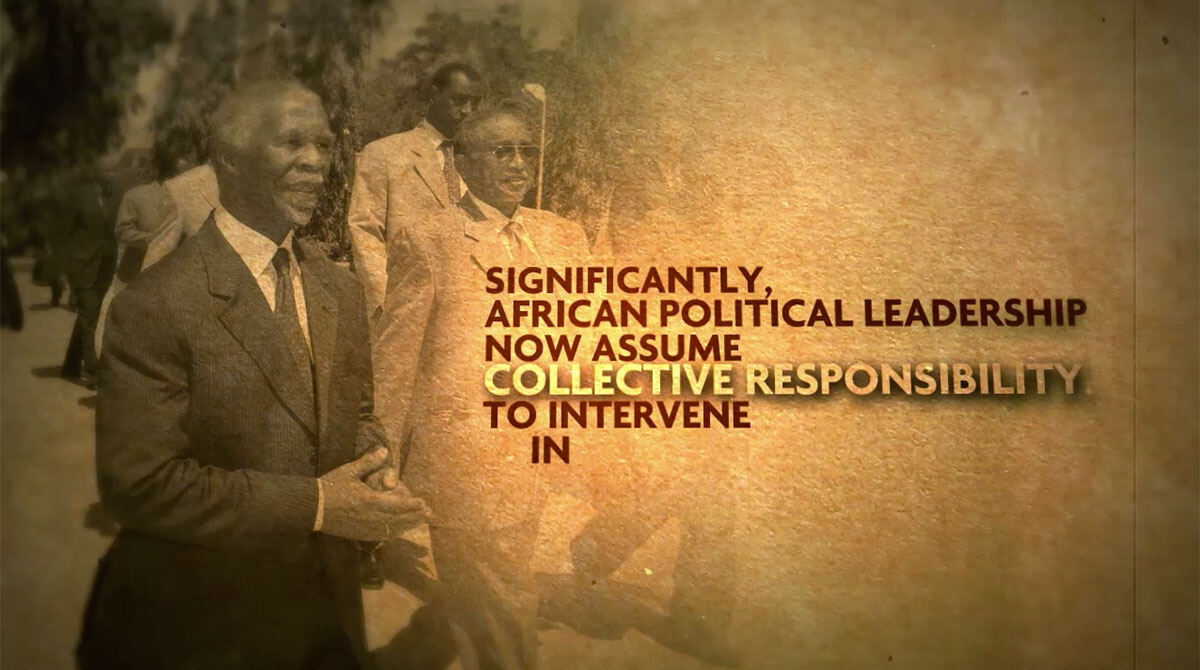
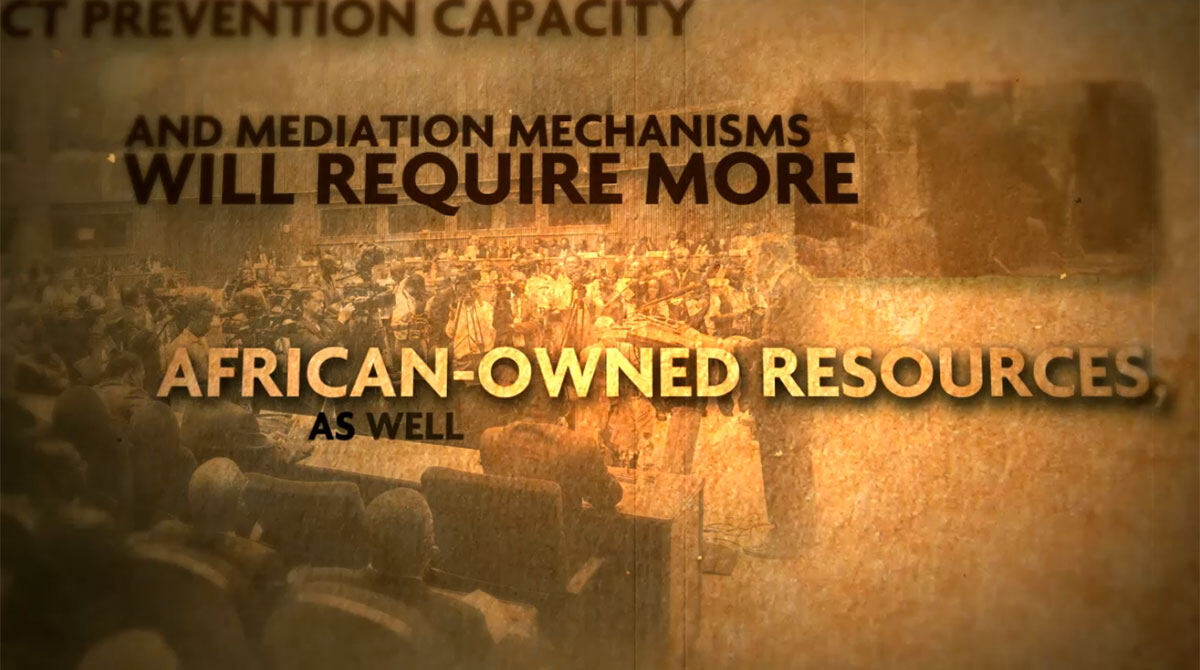
We opened up the photographic archives and built the story around period images, bringing still photographs to life with movement, layered text and maps. Organic, gritty textures reflect earthy African tones, with a colour palette based on the African Union brand identity. A faded parchment treatment gives the whole film a sense of historical reflection.
The process
In 2013 the African Union marked 50 years since the founding of the Organisation of African Unity, and declared it the Year of Pan Africanism and African Renaissance. The African Centre for the Constructive Resolution of Disputes (ACCORD), one of the continent’s leading peace organisations, asked us to make a film for the occasion on the history of mediation in Africa.
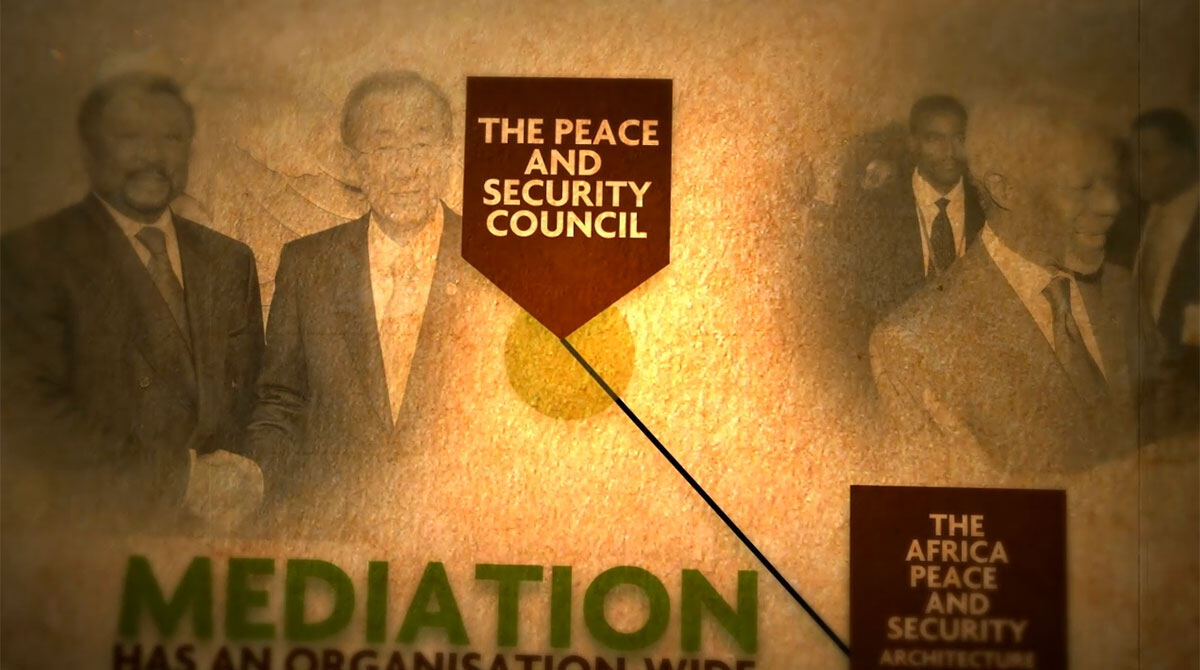
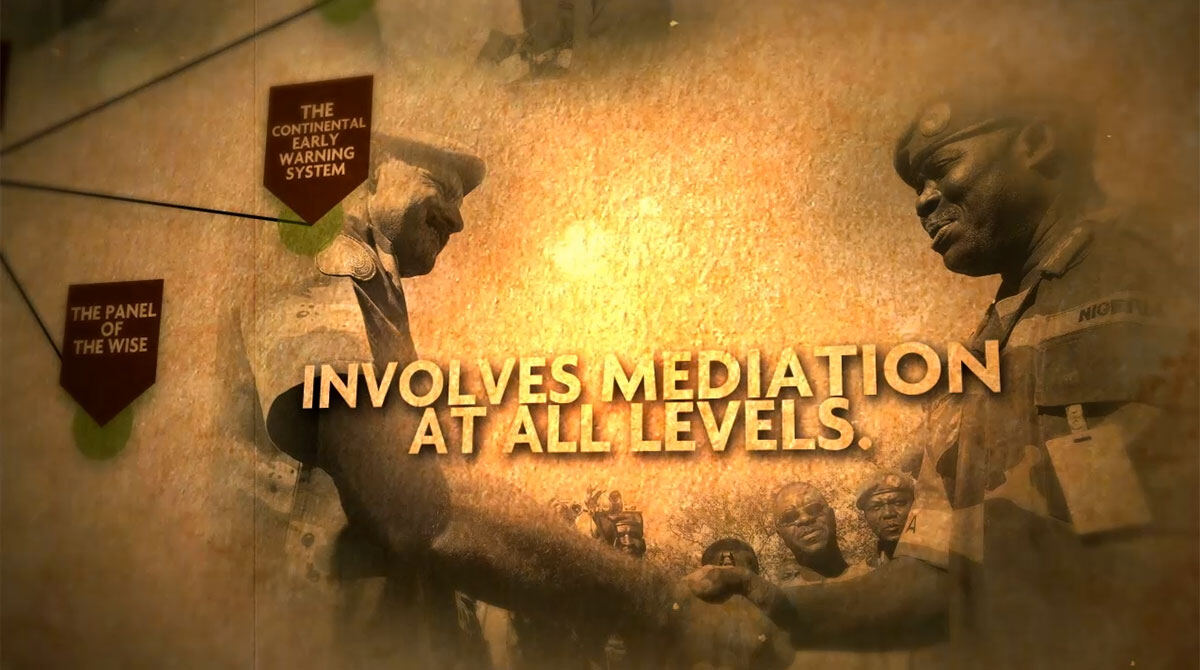
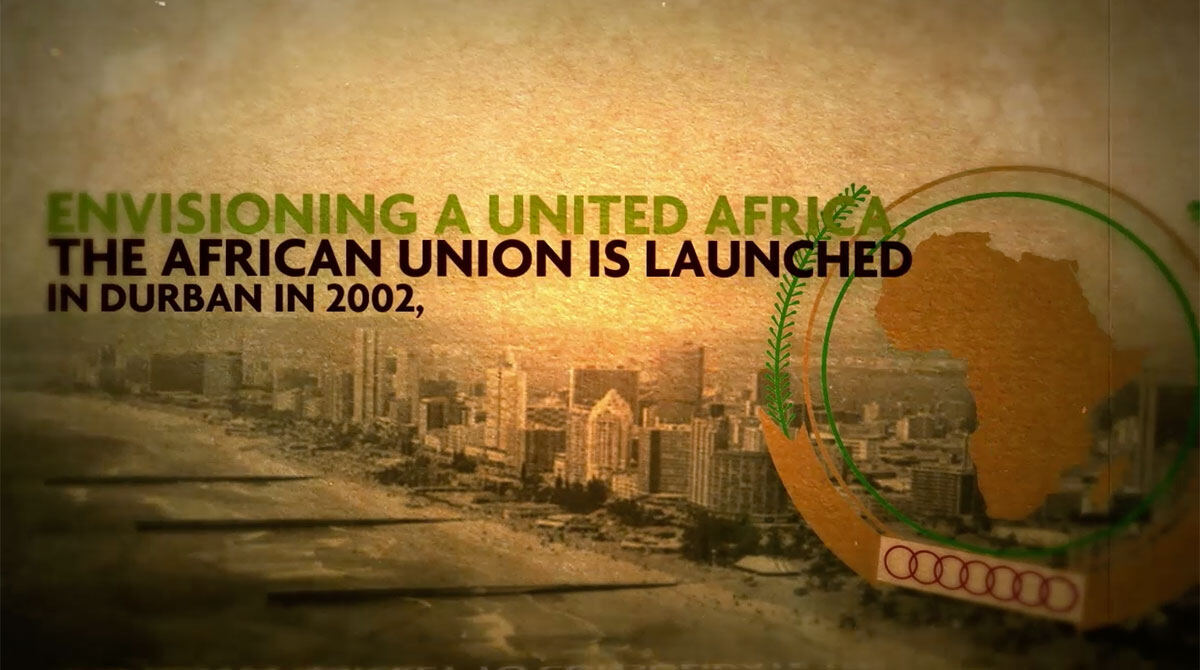
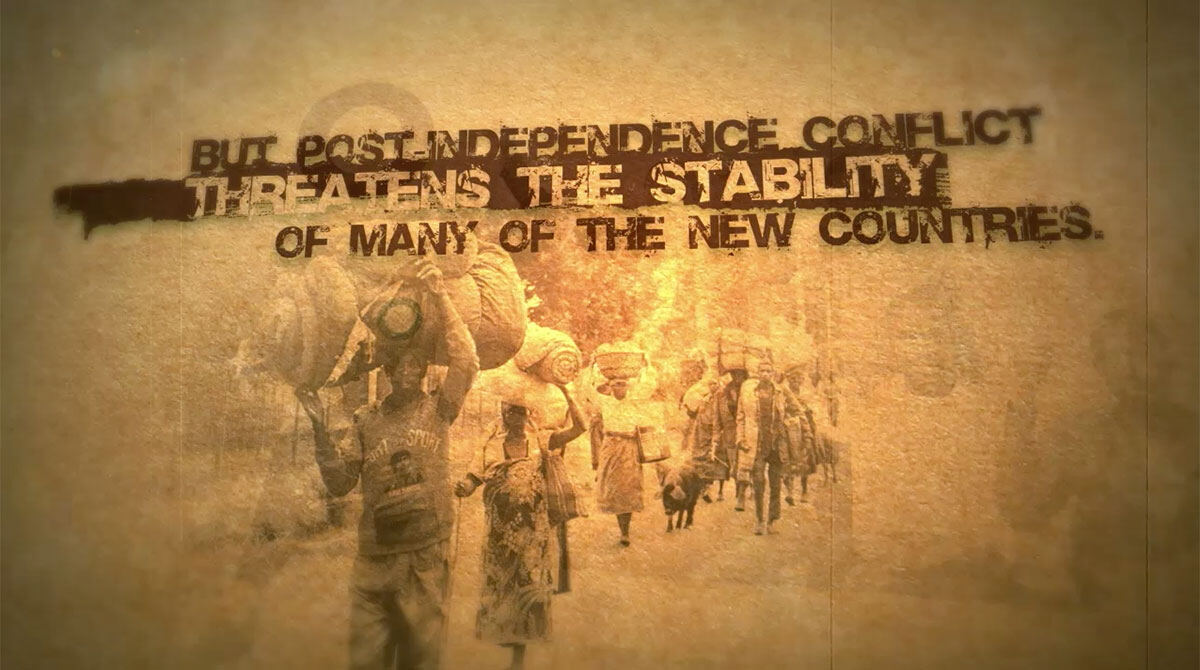
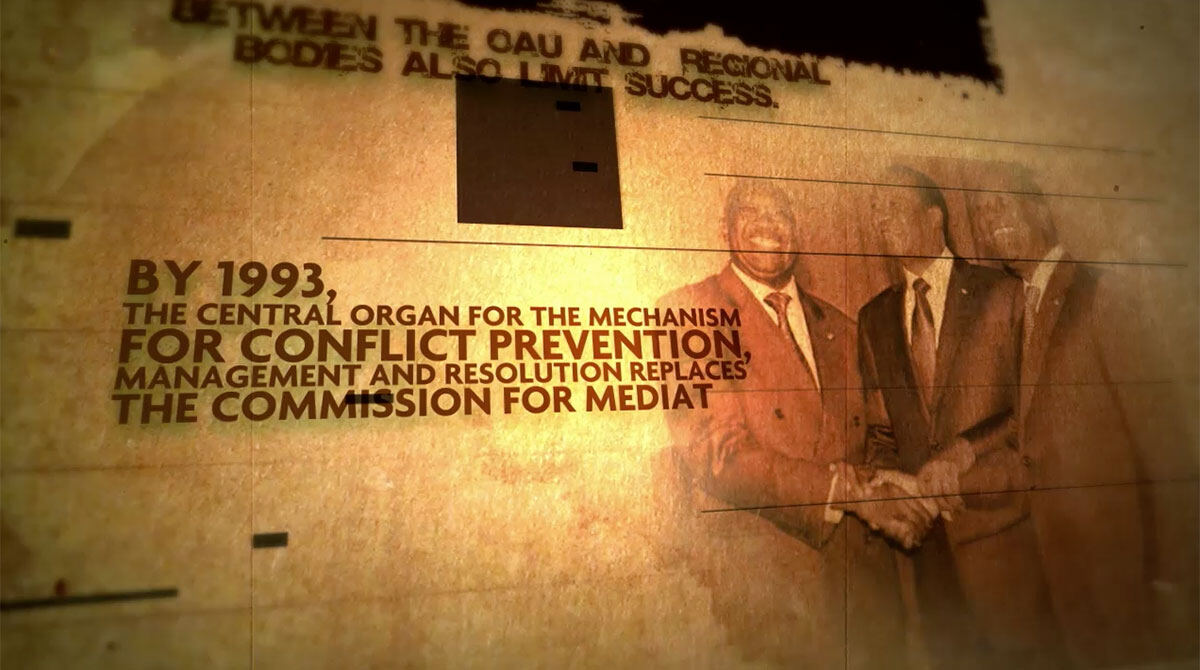
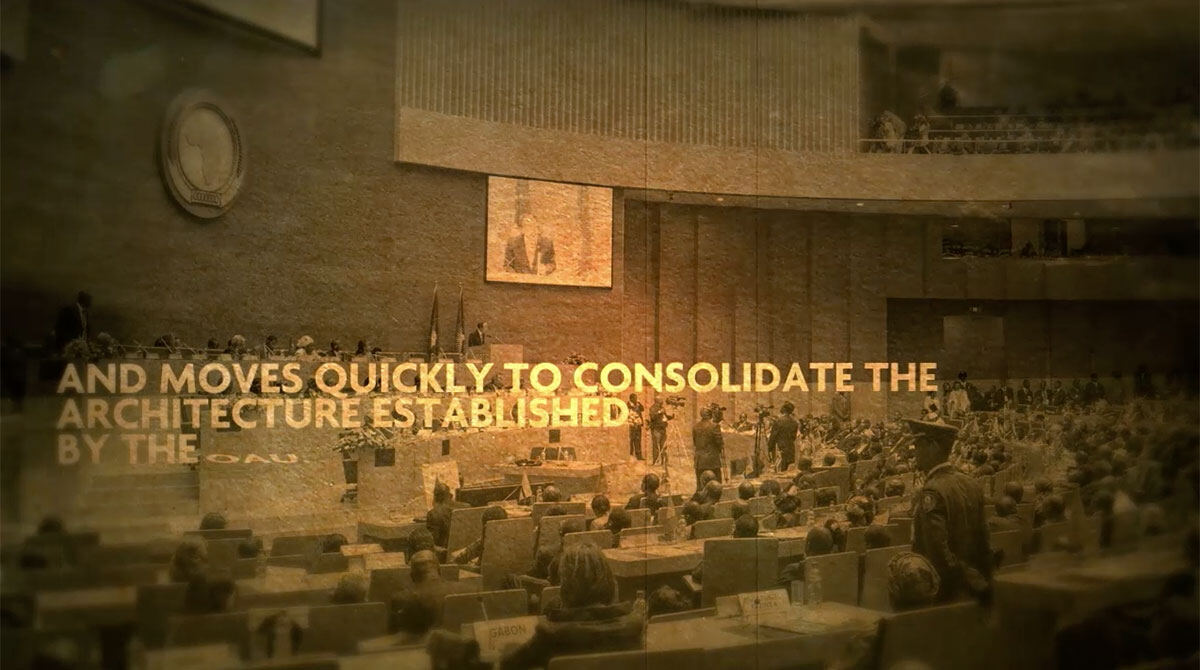
The story runs from the OAU’s founding in 1963, through the post-independence conflicts that threatened many new countries and the OAU’s early mediation bodies, to the launch of the African Union in Durban in 2002. It ends with the AU’s principle that African leaders share responsibility for intervening to protect people, and with the institutions built to do it: the Peace and Security Council, the Panel of the Wise and the Continental Early Warning System.
The challenge was that mediation leaves almost no visual record. There are no cameras in the room when leaders negotiate a ceasefire. So we turned to the photographic archives and built the film from period photographs: handshakes, summits, signings and the people affected by conflict. Movement, layered type, maps and timelines carry the story from one decade to the next.
The look is drawn from Africa itself: earthy, textured tones, a palette taken from the African Union identity, and a parchment finish that gives the film the feel of a historical record.
What the client got
50 years of African mediation, told in one film
ACCORD and the African Union marked the 50th anniversary with a film that puts African-led mediation on record. It explains, in a few minutes, how the continent moved from post-independence conflict to its own peace and security architecture, and why that work needs African leadership and African resources.