Peace agreements make headlines for a day. The years of patient work that make them possible, and that make them last, are rarely seen.
For most of the last decade, the Central African Republic has been torn apart by conflict between armed groups, with thousands killed and hundreds of thousands forced from their homes. In February 2019 the government and 14 armed groups signed the Political Agreement for Peace and Reconciliation, negotiated in Khartoum. It was a turning point, but only a beginning.
The African Centre for the Constructive Resolution of Disputes (ACCORD) spent eight years supporting the mediation process that led to the agreement, and then helped put it into practice: building the capacity and confidence of the government, the regional guarantors and the local and national leaders responsible for making peace work.
ACCORD asked us to tell that story. Mediation happens behind closed doors, and its results are measured in violence that does not happen, which makes it hard to show. Funders, partners and the public needed to see what the work involves, why it takes so long, and what is at stake.
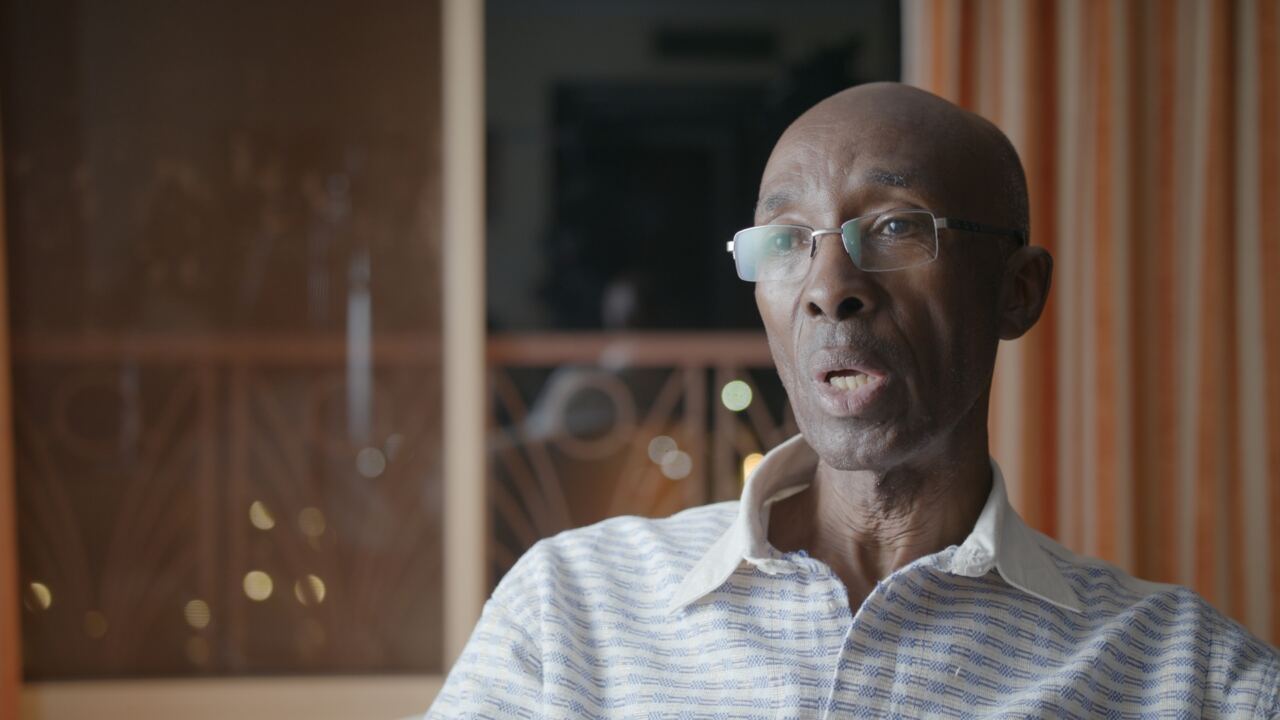
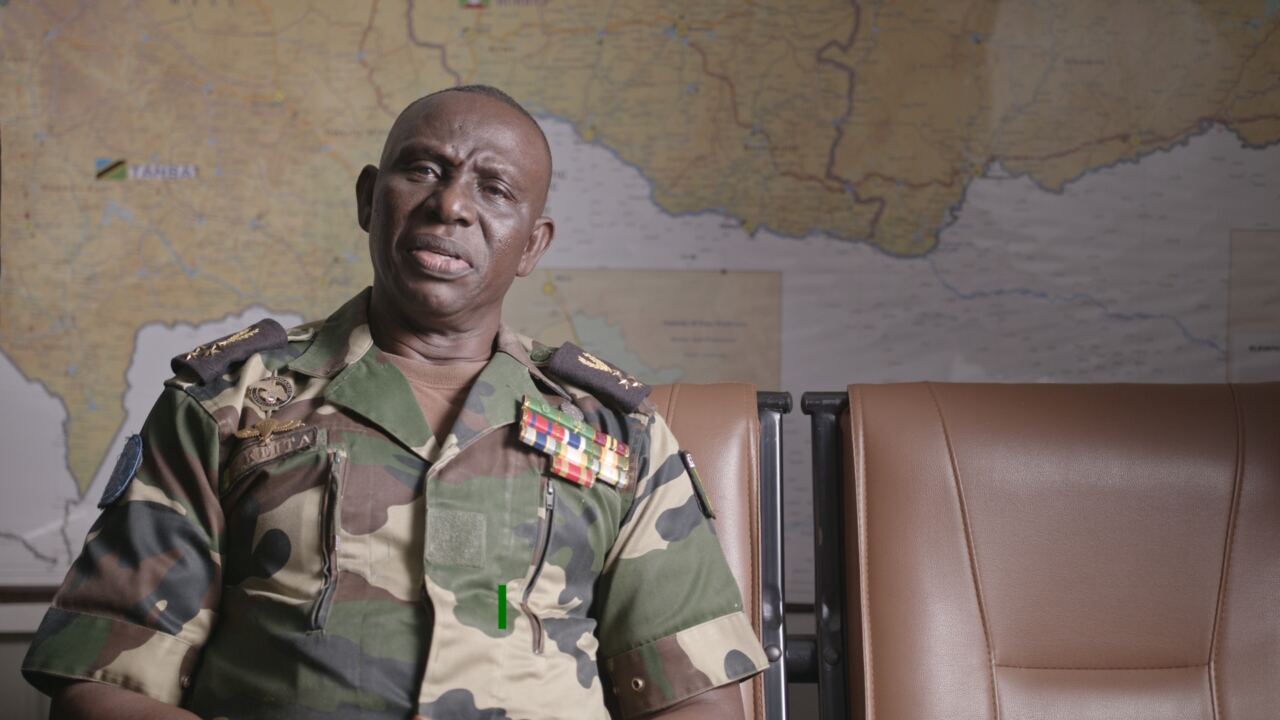
The film brings together the people leading the peace process at every level:
- H.E. Firmin Ngrébada, Prime Minister of the Central African Republic
- H.E. Catherine Samba-Panza, former President of the Central African Republic
- Émile Nakombo, Mayor of Bangui
- Lieutenant General Balla Keita, Force Commander of the UN peacekeeping mission, MINUSCA
- Ambassador Adolphe Nahayo, Economic Community of Central African States (ECCAS)
- Ambassador Sébastien Ntahunga, ACCORD Head of Mission in the Central African Republic
- Dr Vasu Gounden, Founder and Executive Director of ACCORD
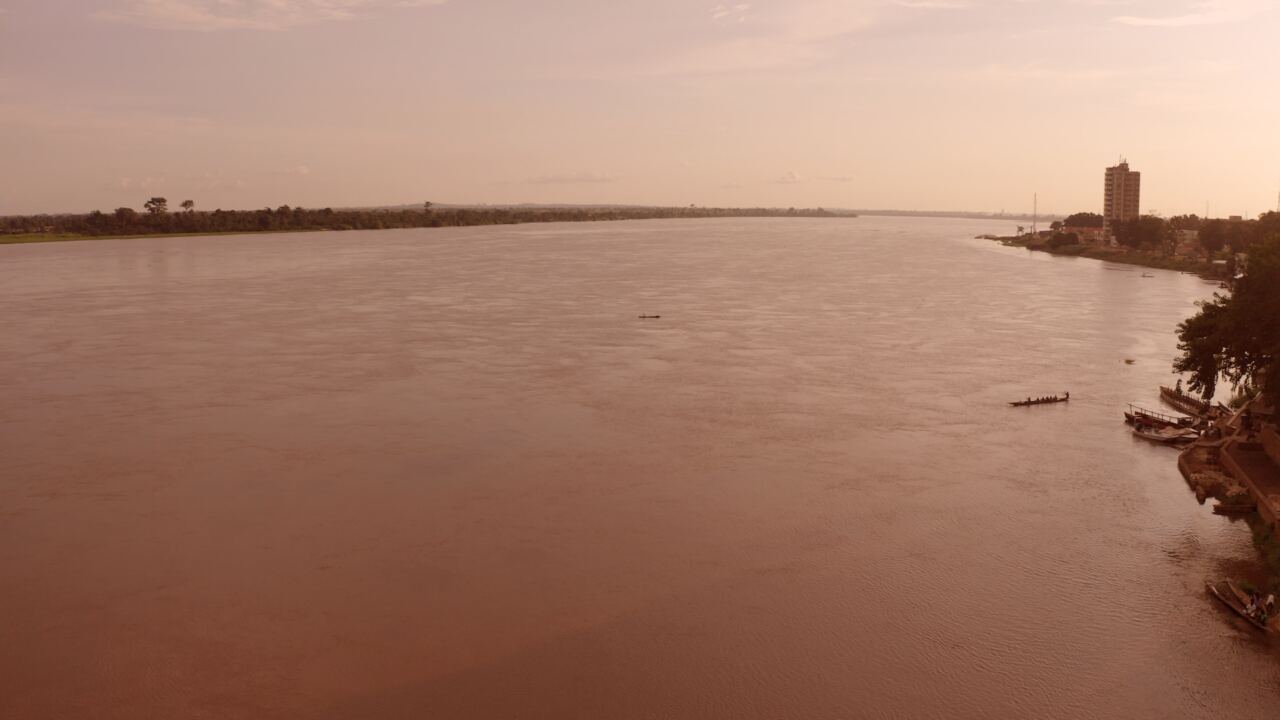
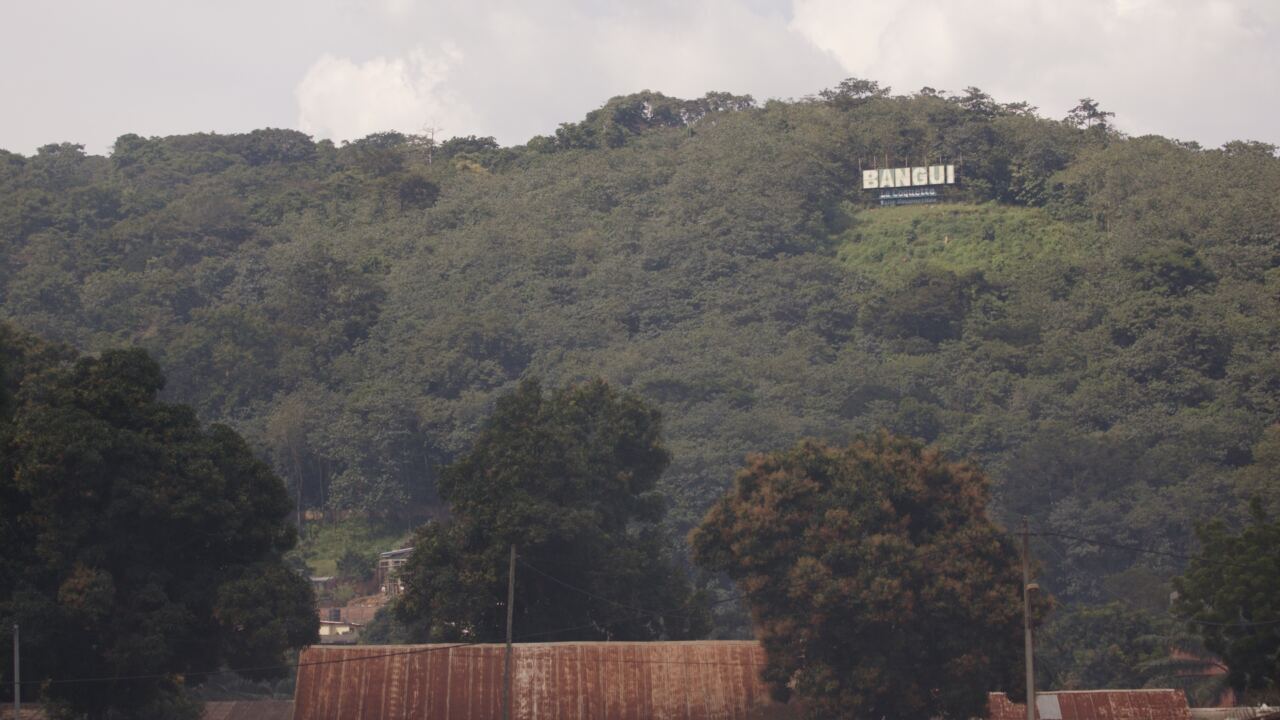
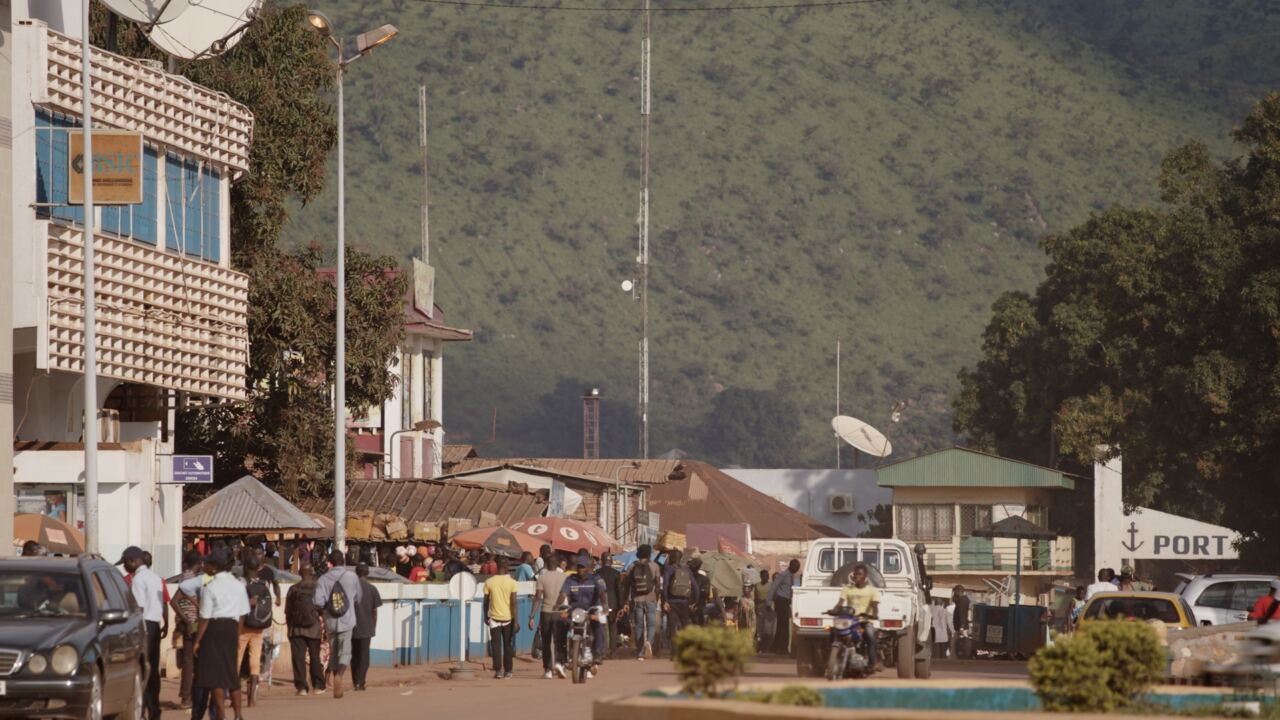
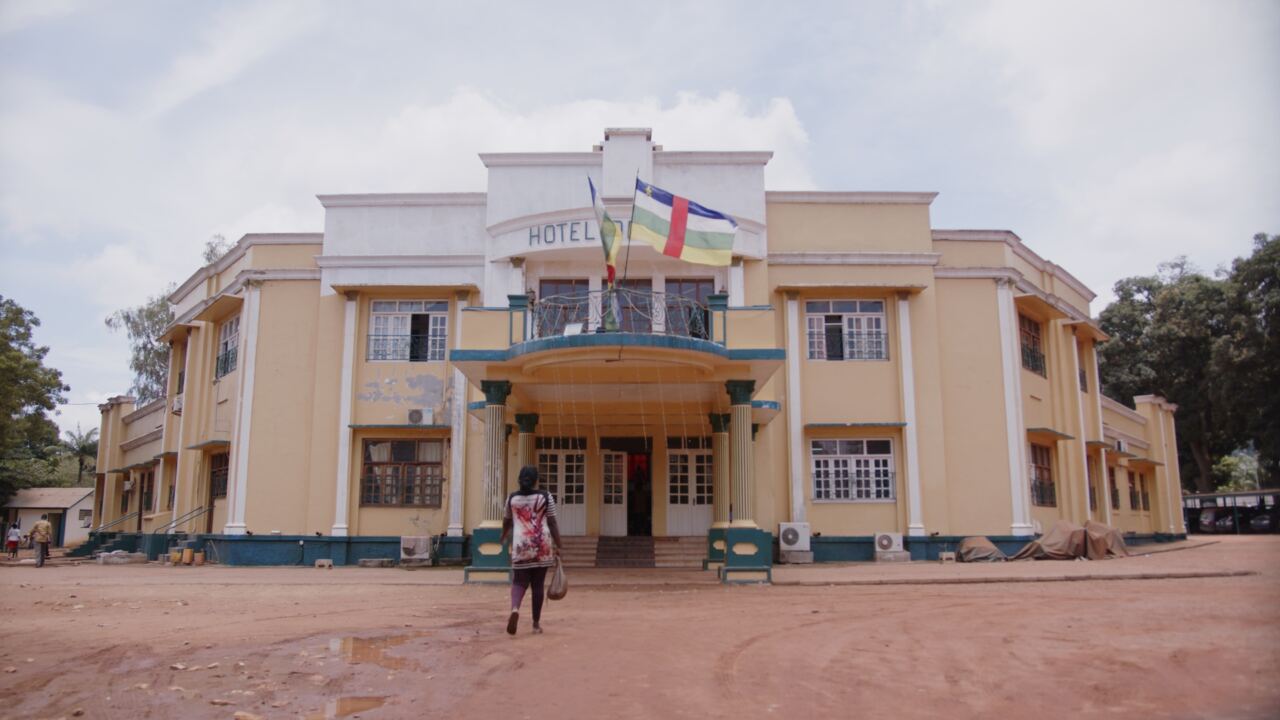
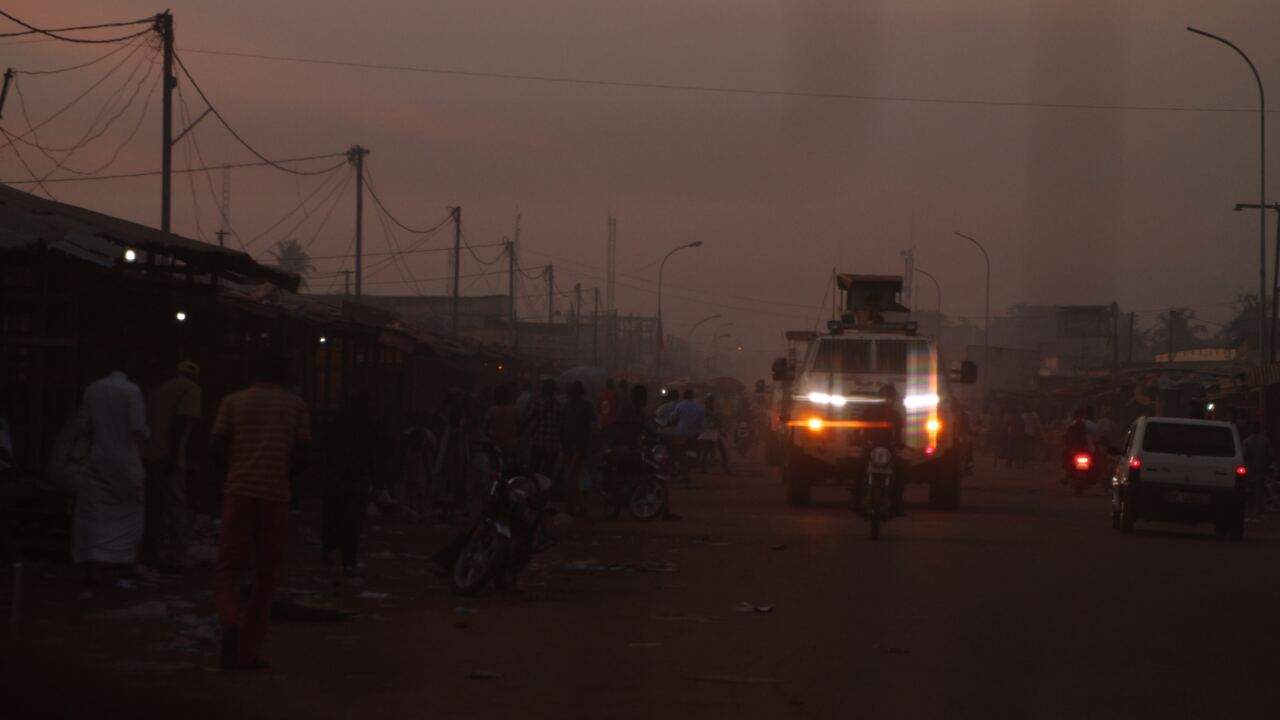
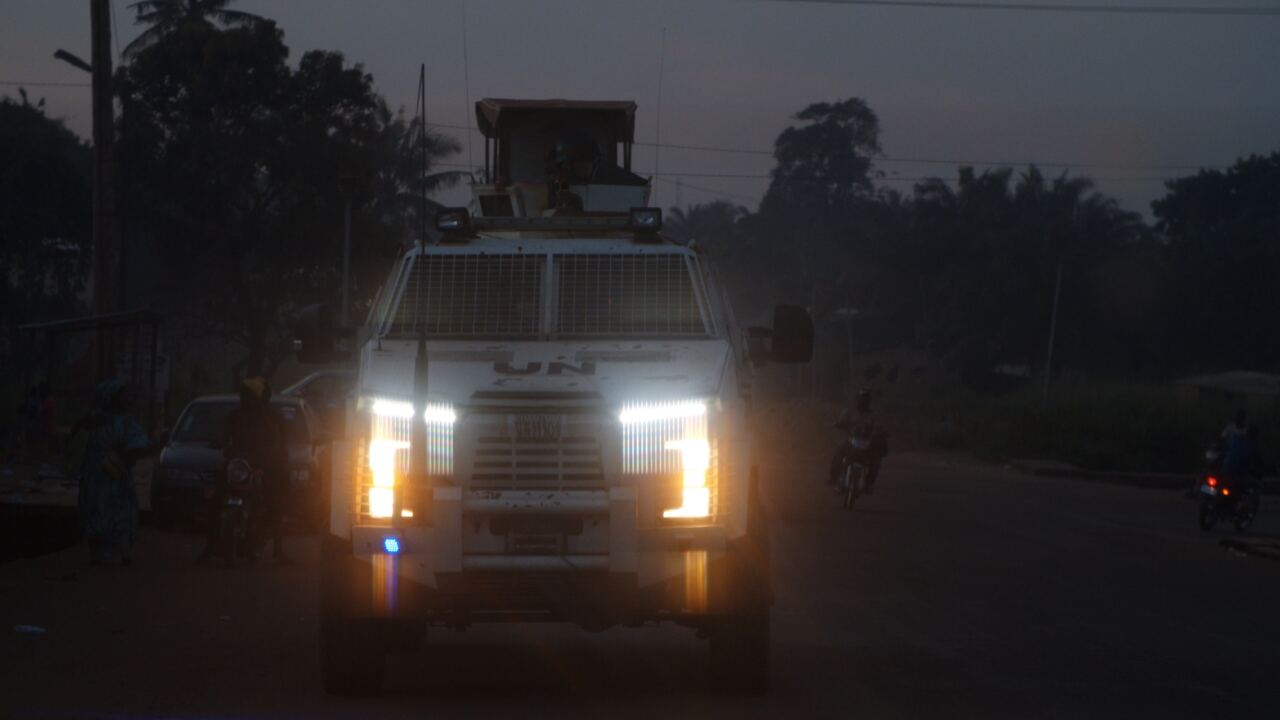
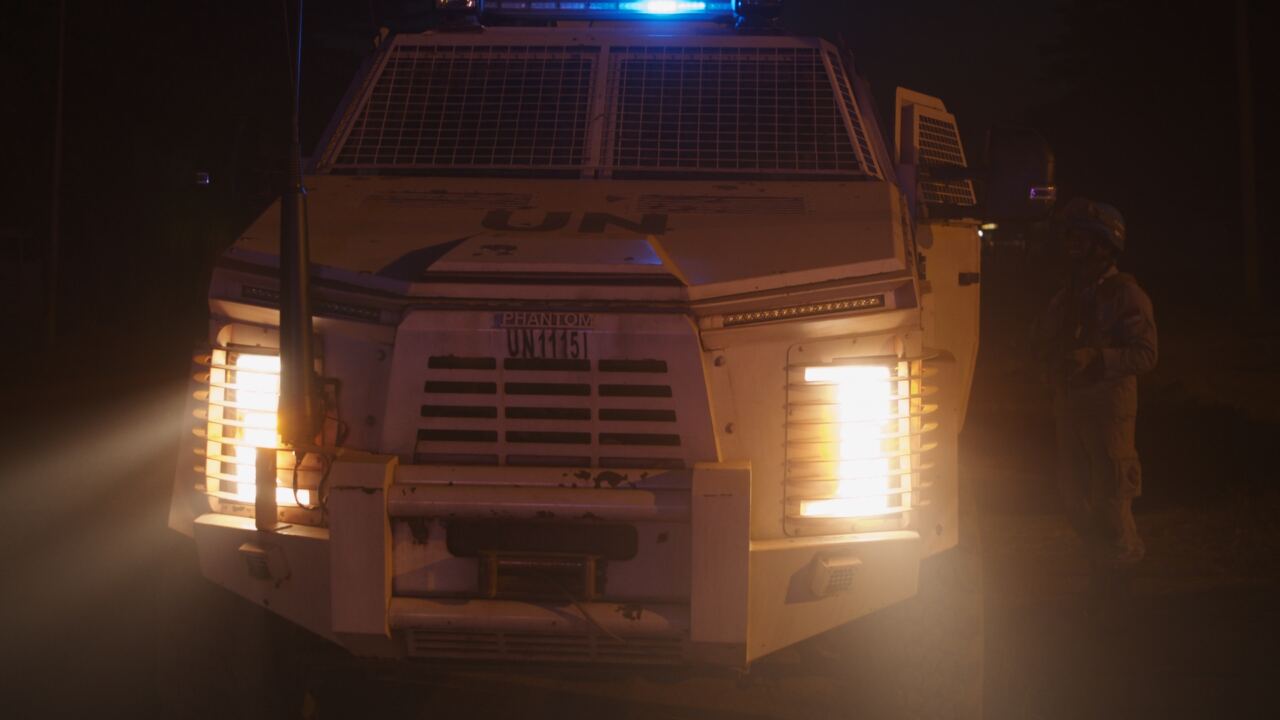
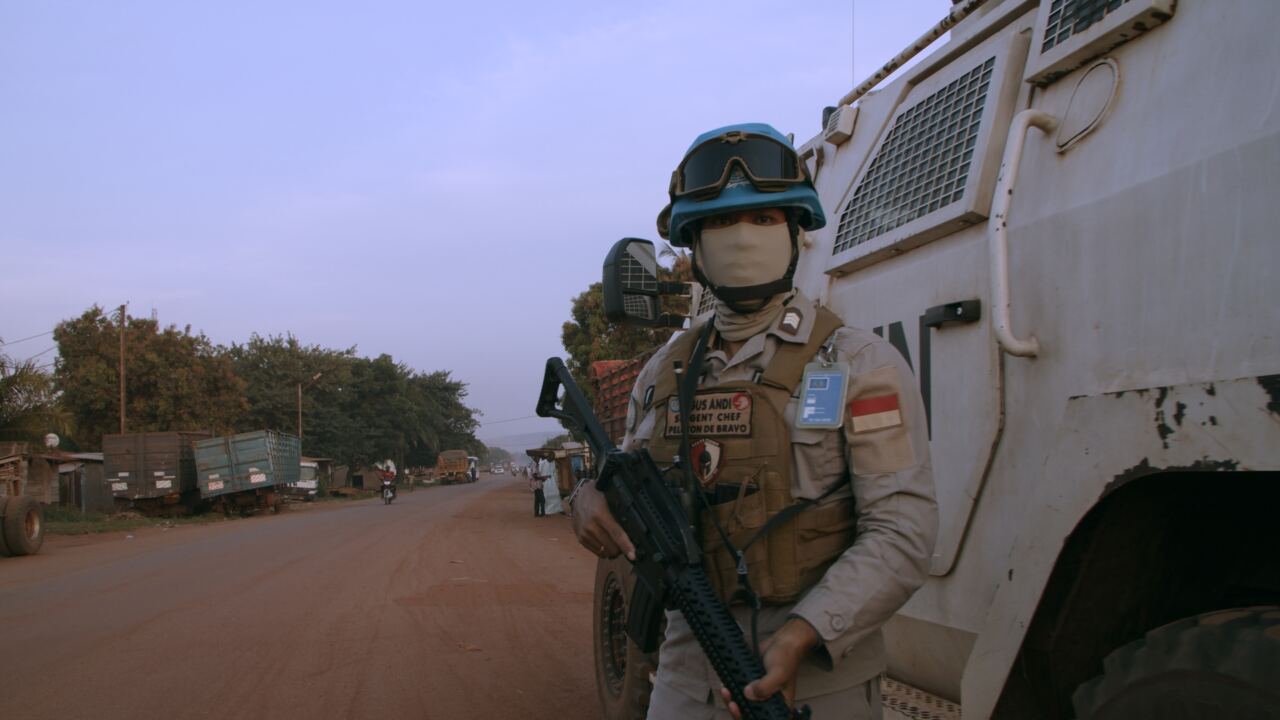
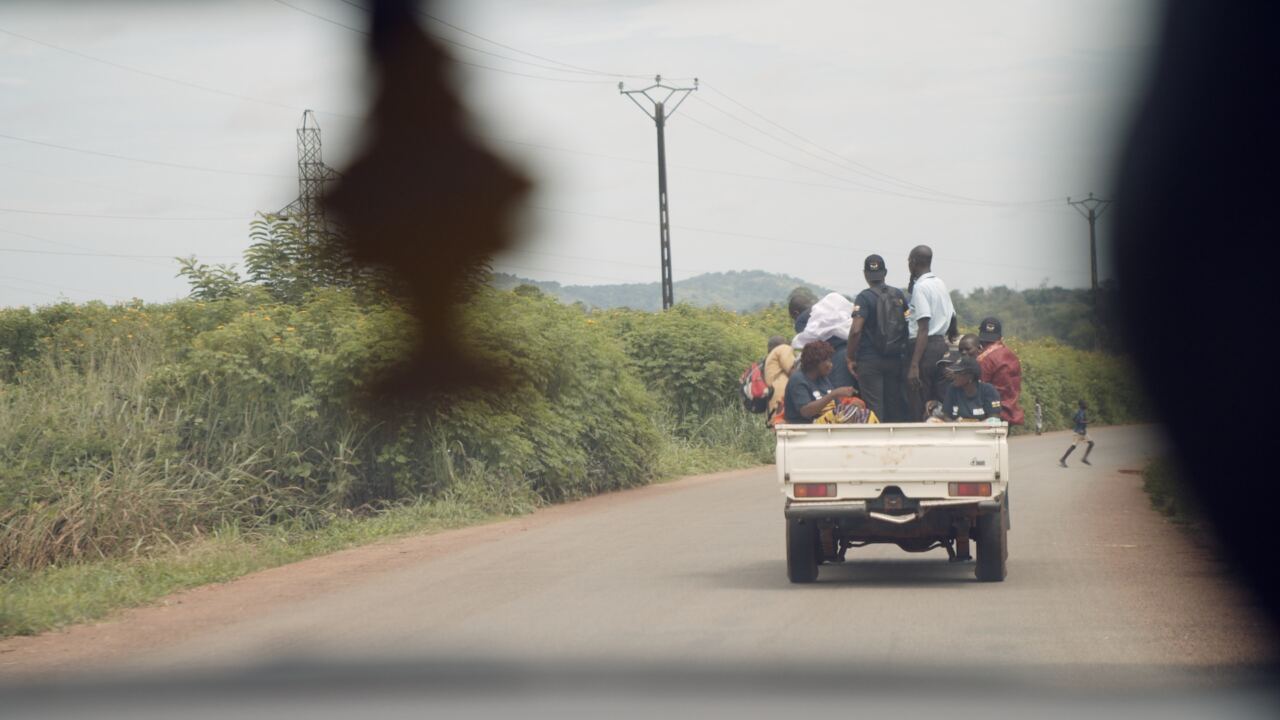
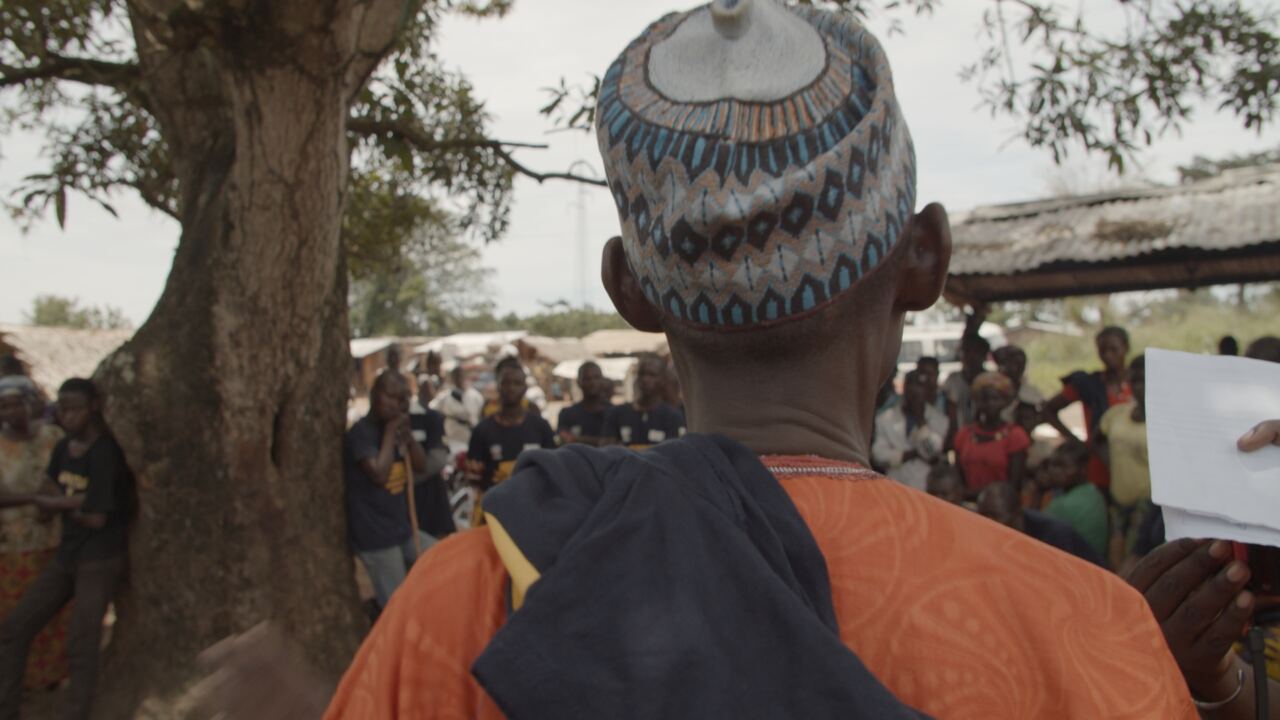
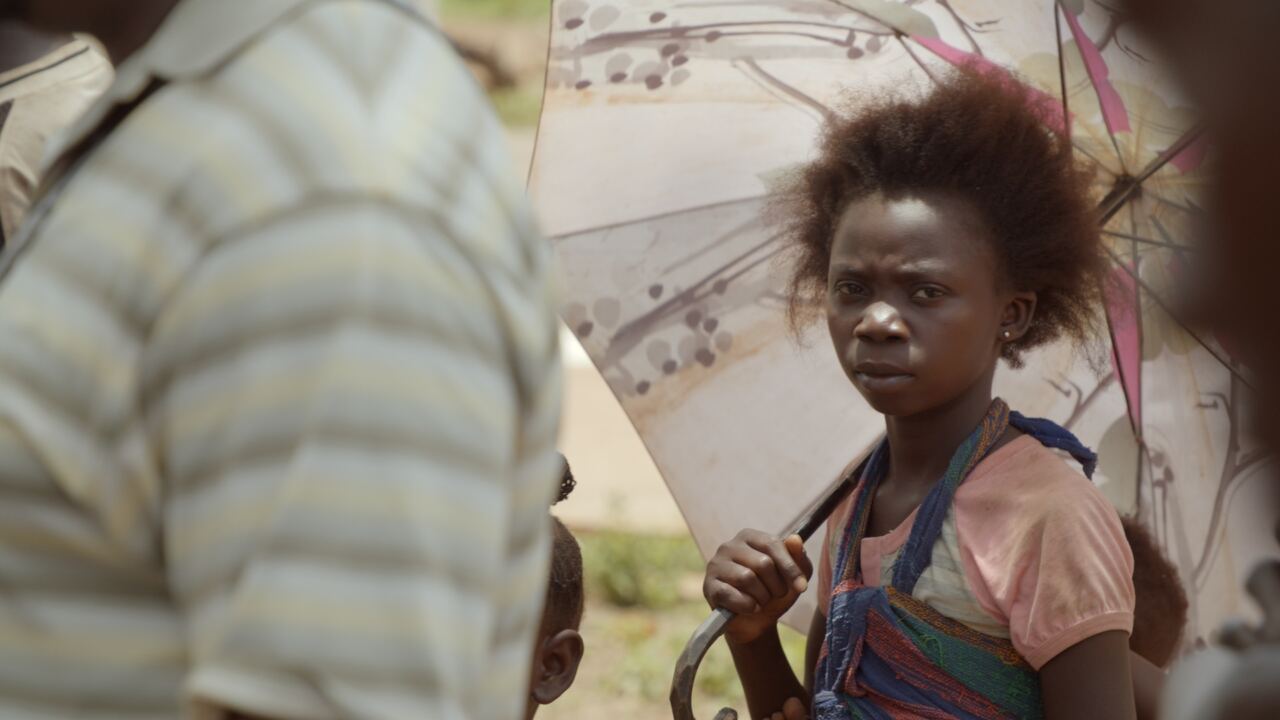
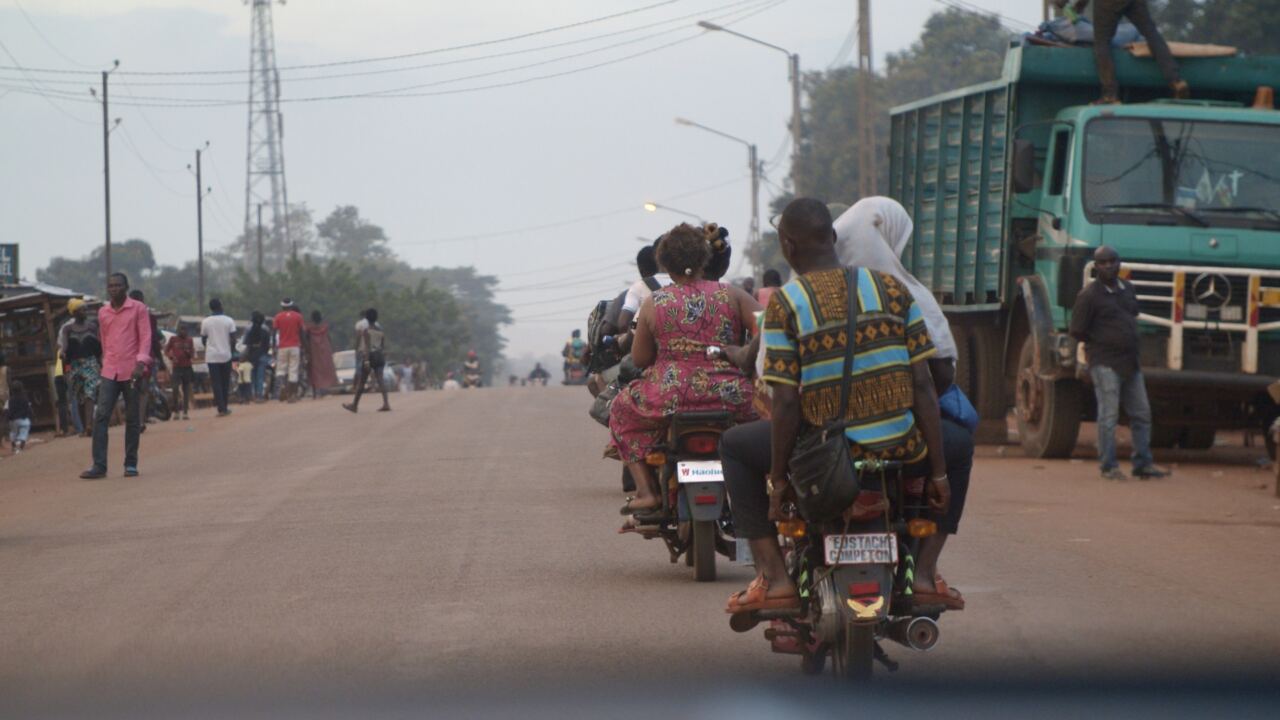
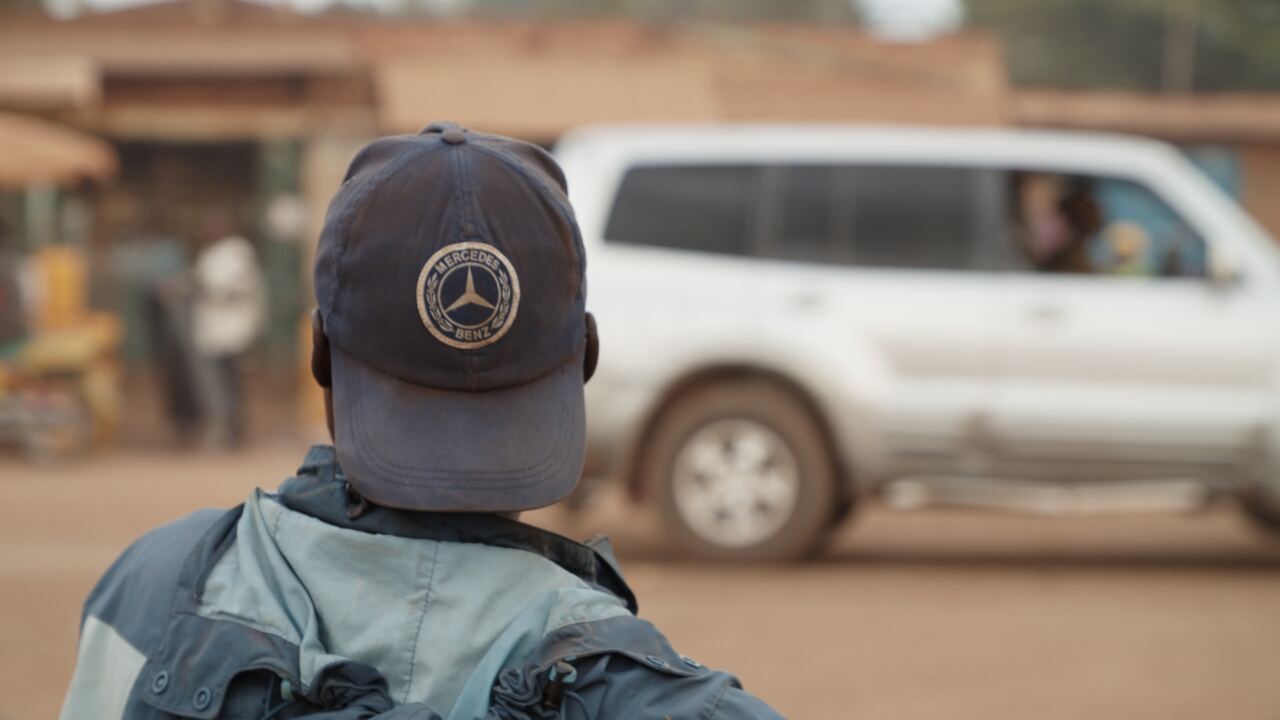
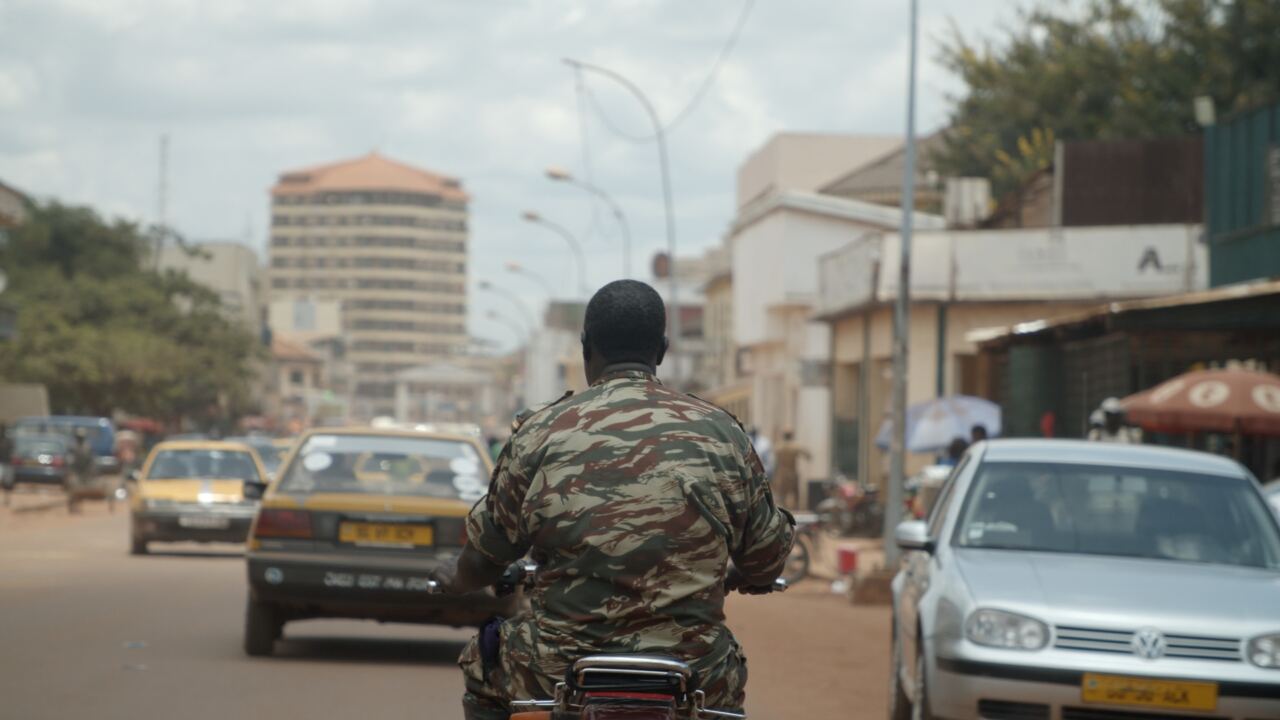
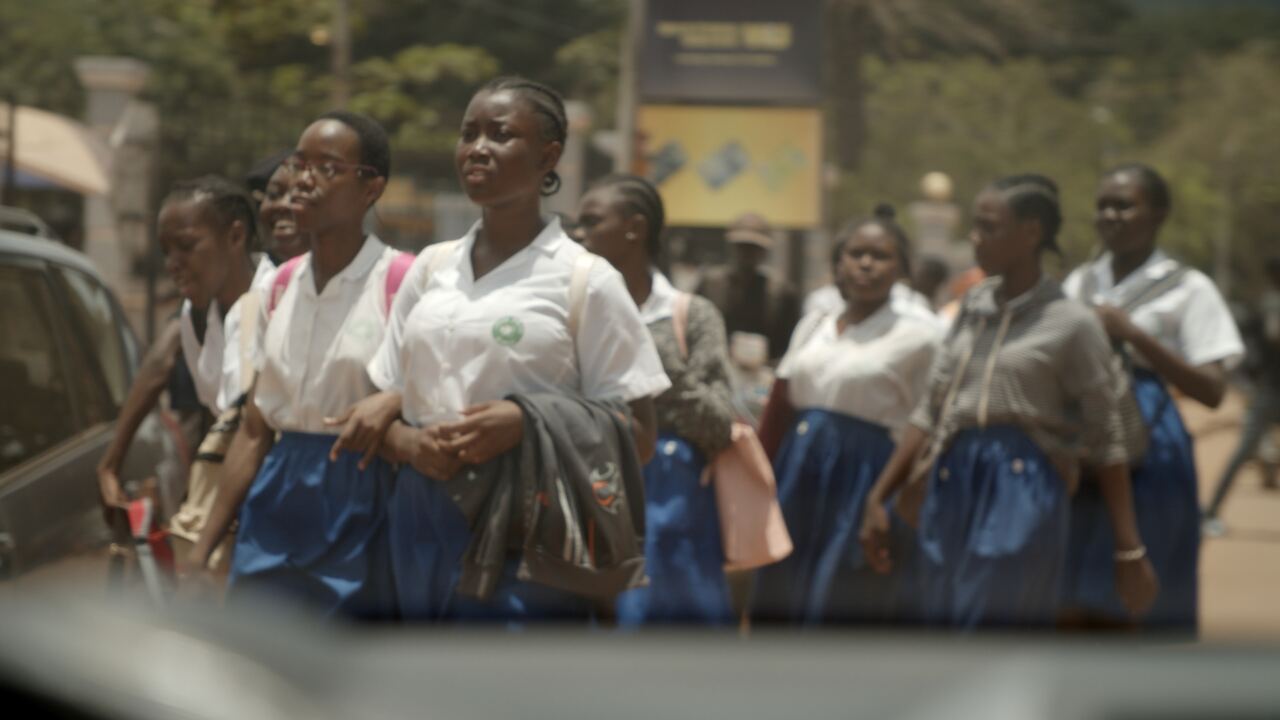
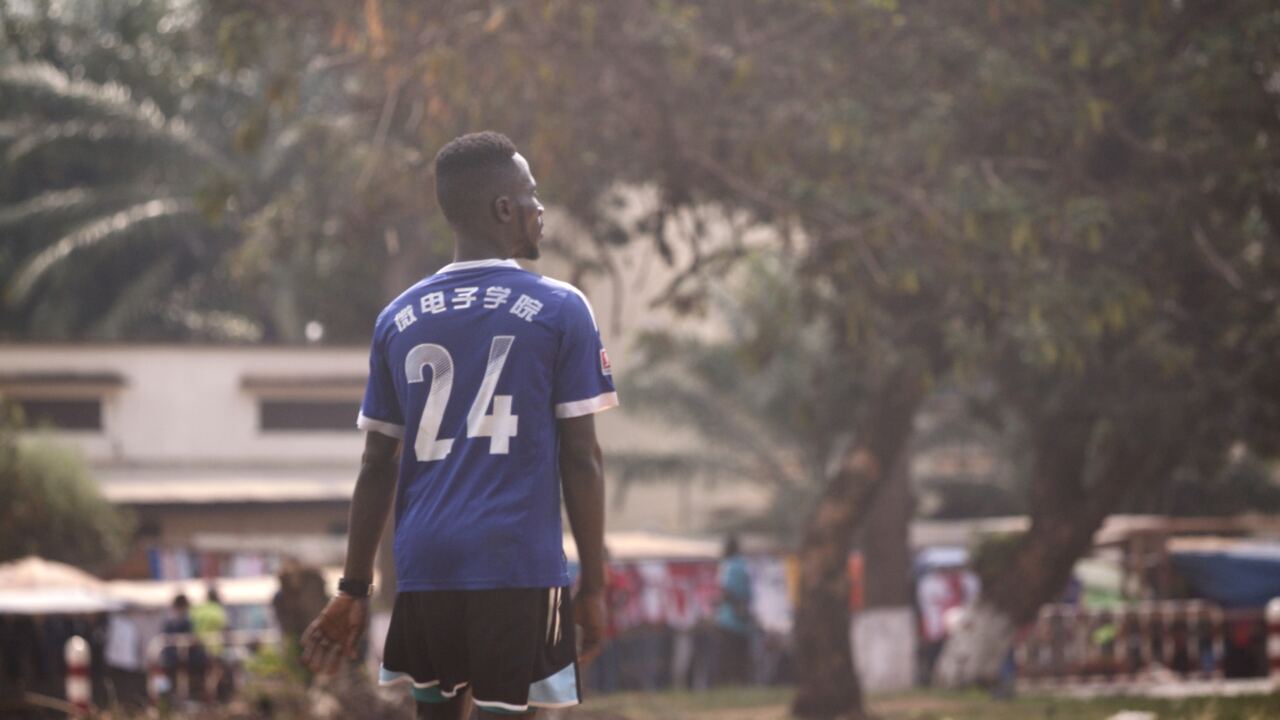
We filmed in and around Bangui. One Nation sets their voices against the daily life of a city living with it, from UN patrols at night to community meetings, markets and schoolchildren, and makes the case that lasting peace depends on patient, sustained support long after the agreement is signed.