Follow the Fish
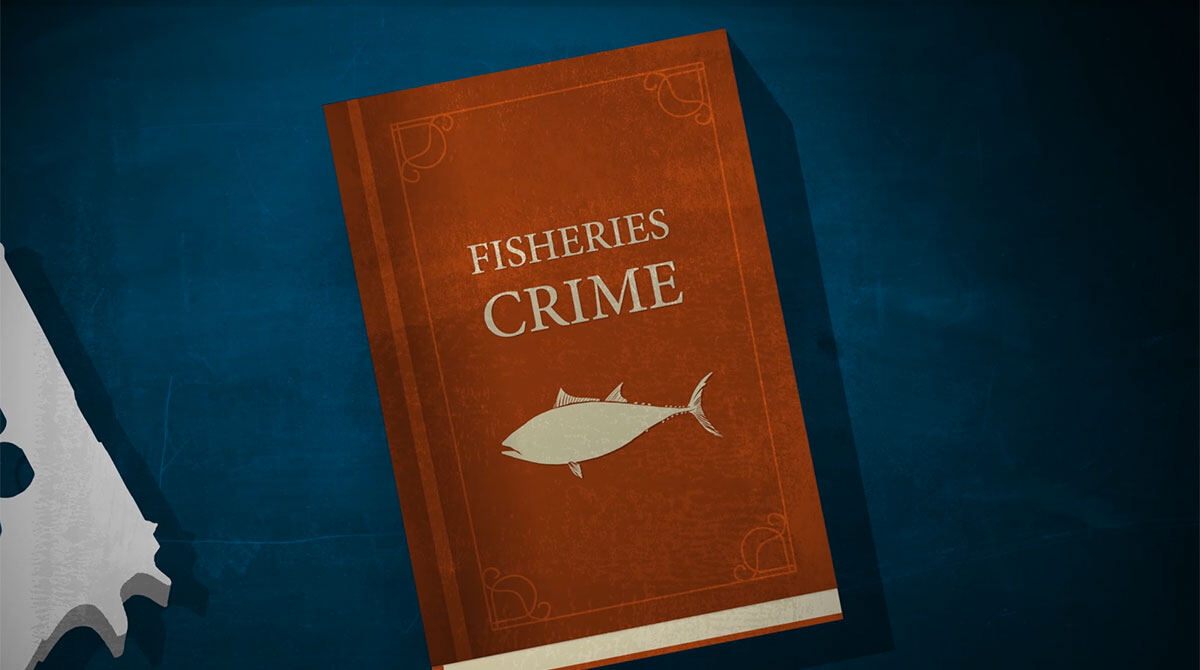
What is Fisheries Crime?, an animation for PescaDOLUS explaining organised crime in the global fishing industry.
The need
Who they needed to reach
Governments, enforcement agencies, policy makers and the public, across languages and cultures
What stood in the way
Fisheries crime is a highly technical legal concept. It is not only illegal fishing, but a whole chain of crimes that run alongside the fishing industry, from fraud and tax evasion to corruption, money laundering, human trafficking and forced labour, often run by organised networks across several countries. Most people, including many officials, think of it as a fisheries management problem, not a crime. PescaDOLUS needed to explain the idea to an extremely wide audience, across language and cultural boundaries.
What success looked like
Viewers anywhere who understand that fisheries crime is serious, organised and transnational, and that it takes cooperation across agencies and borders to stop it.

How we met the need
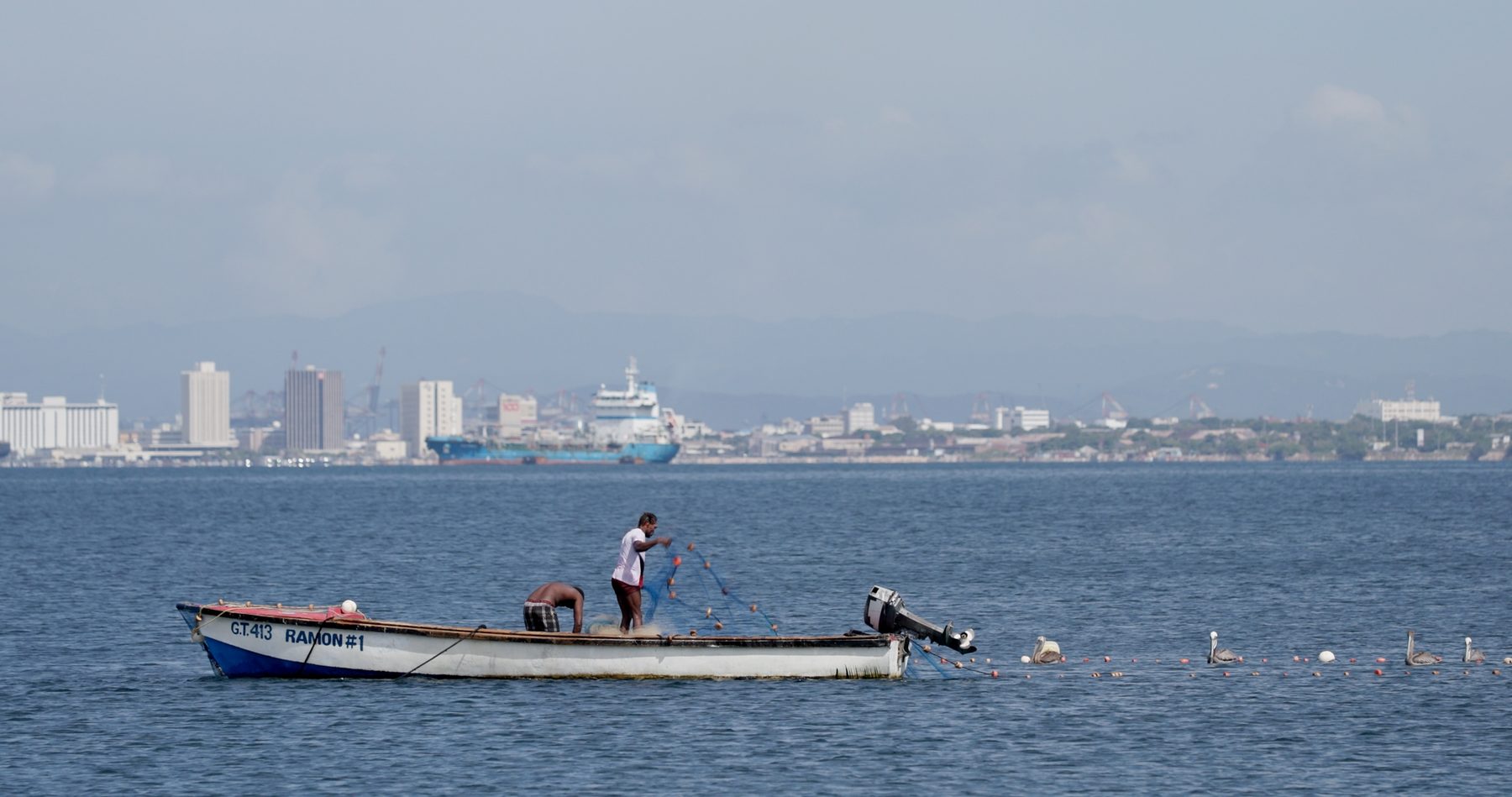
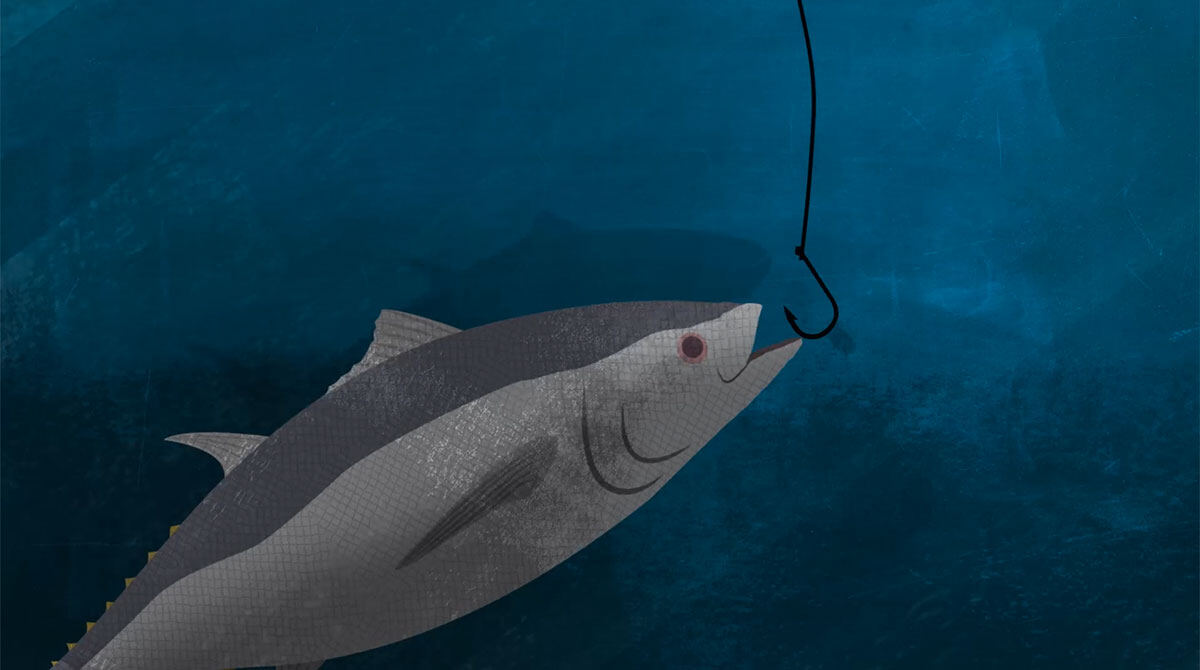
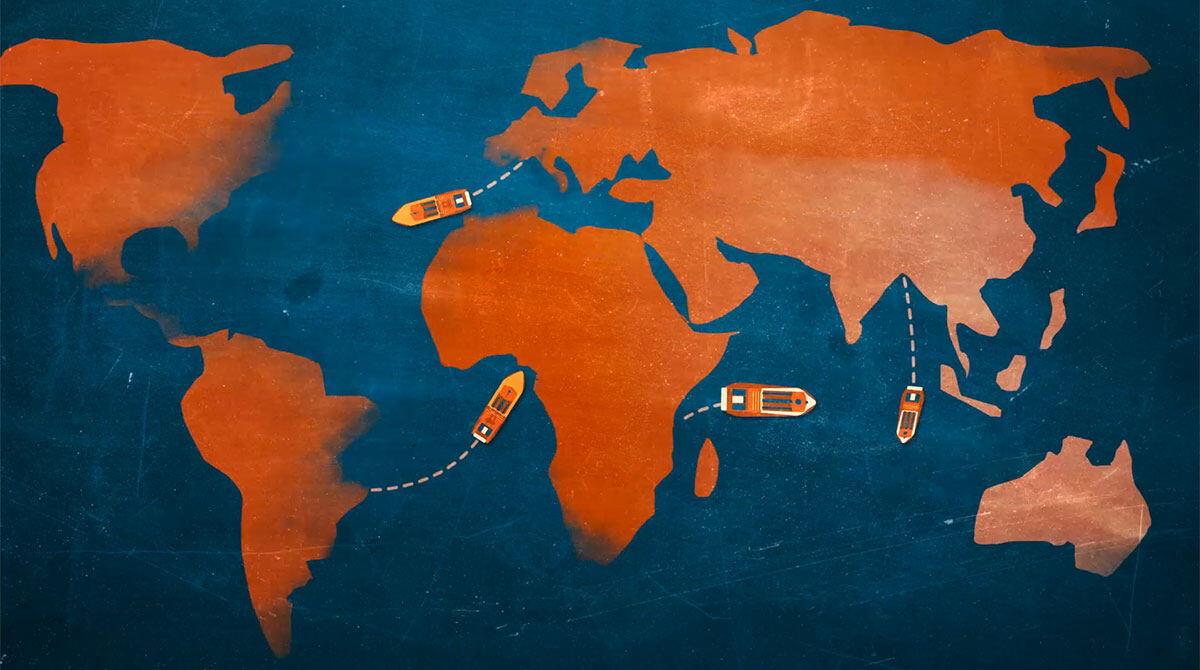
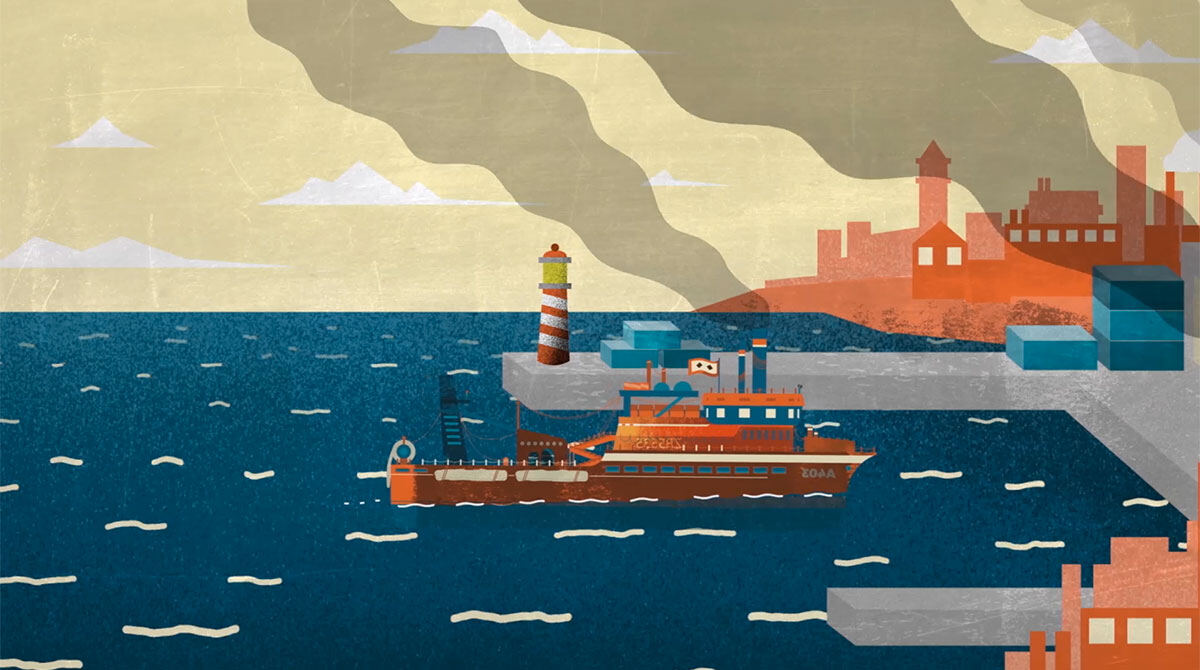
The main challenge was to break the concept down into a simple, easily digestible message. We followed the fishing value chain, from the hook to the harbour and on across borders, so viewers see each crime at the point where it happens. Bold, simple illustration and a clear visual language let the film work without relying on any one language or culture.
The process
Fish is one of the most traded foods in the world, and the fishing industry is one of the most global. That makes it attractive to criminals. Fisheries crime covers far more than illegal fishing: it includes document fraud, tax and customs crime, corruption, money laundering, drug and arms smuggling, and the trafficking and forced labour of fishers, much of it organised across borders.
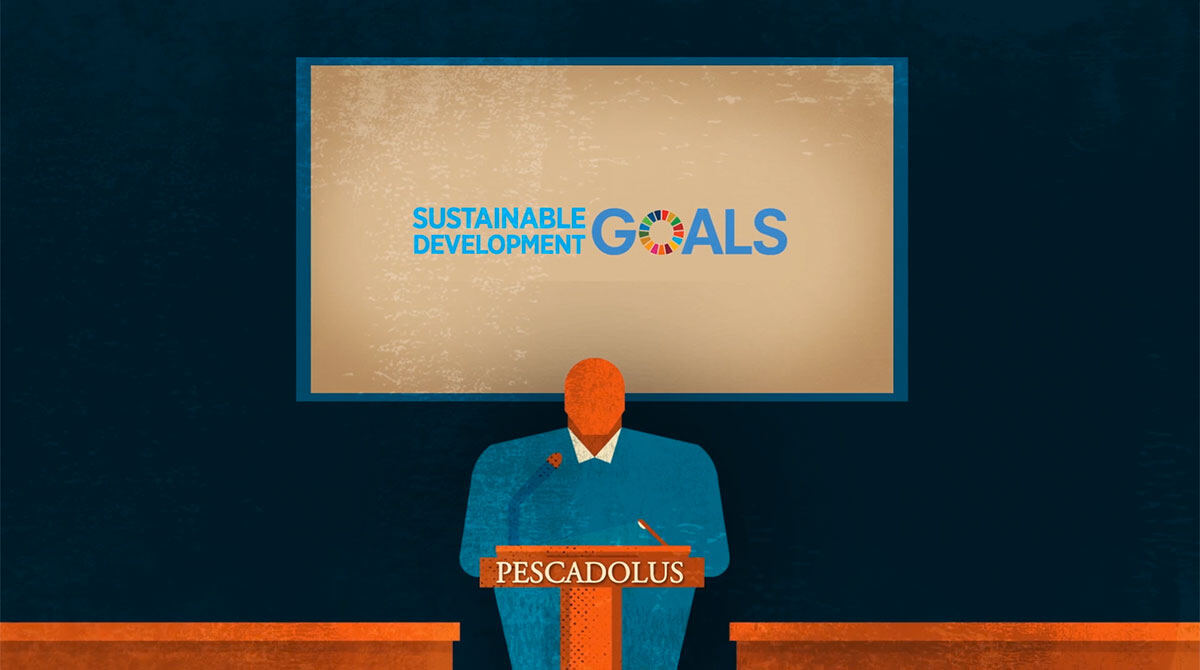
PescaDOLUS was an international network working to have these activities recognised and treated as crime. Alongside UNODC and the Norwegian Ministry of Trade, Industry and Fisheries, it co-hosted the International Fisheries Crime Symposium, which brought officials and experts together to tackle fisheries crime across borders.
The idea was hard to explain. The legal concept is technical, and the audience ranged from ministers and prosecutors to coastal communities and the general public, in many countries and languages. PescaDOLUS asked us to make a short animation that anyone could follow.
We built the film around the fishing value chain, from the hook to the harbour and across the world, showing the people who profit illegally along the way. Each crime appears where it happens, and the story moves on to what is needed to stop it: agencies and countries working together, and the law applied to fisheries crime like any other organised crime. The illustration style is bold and simple, so the pictures carry the meaning.





What the client got
One short film to explain a crime that crosses every border
PescaDOLUS had a short, shareable film that explains fisheries crime in plain pictures to any audience. The idea it explains, that organised crime in the fishing industry must be treated as crime, was later taken up by governments through the 2018 Copenhagen Declaration and the Blue Justice Initiative.