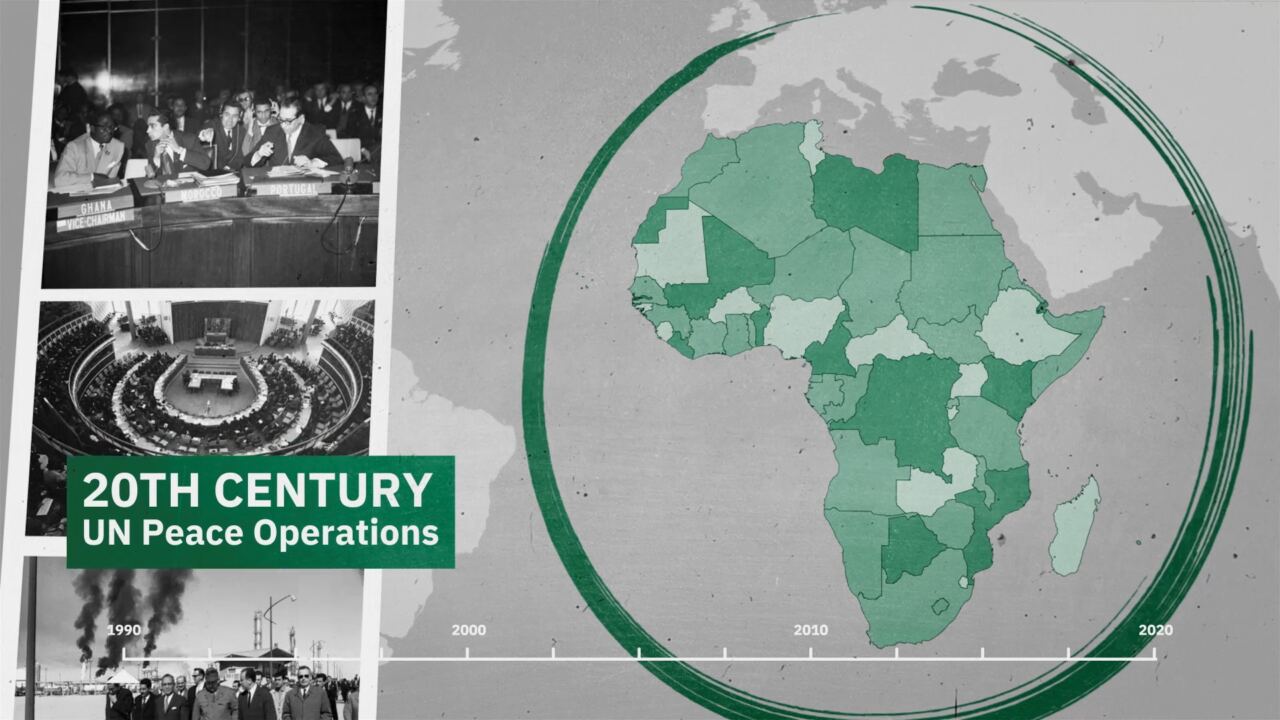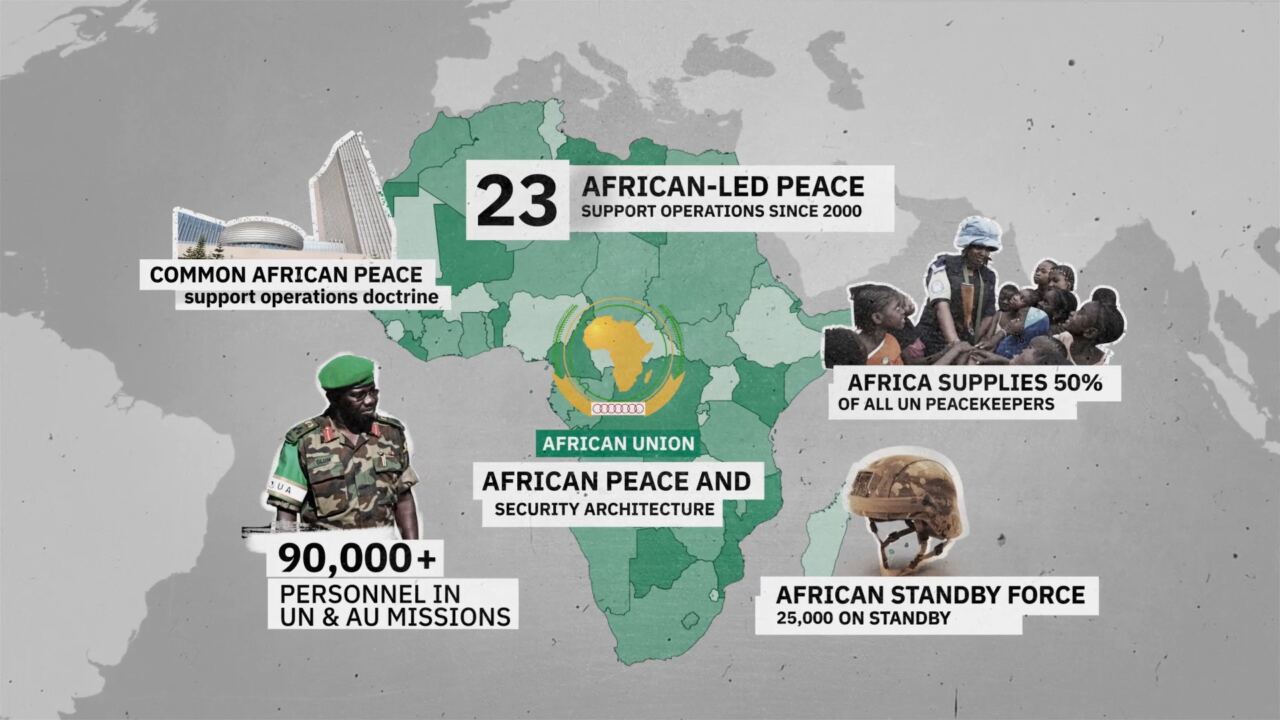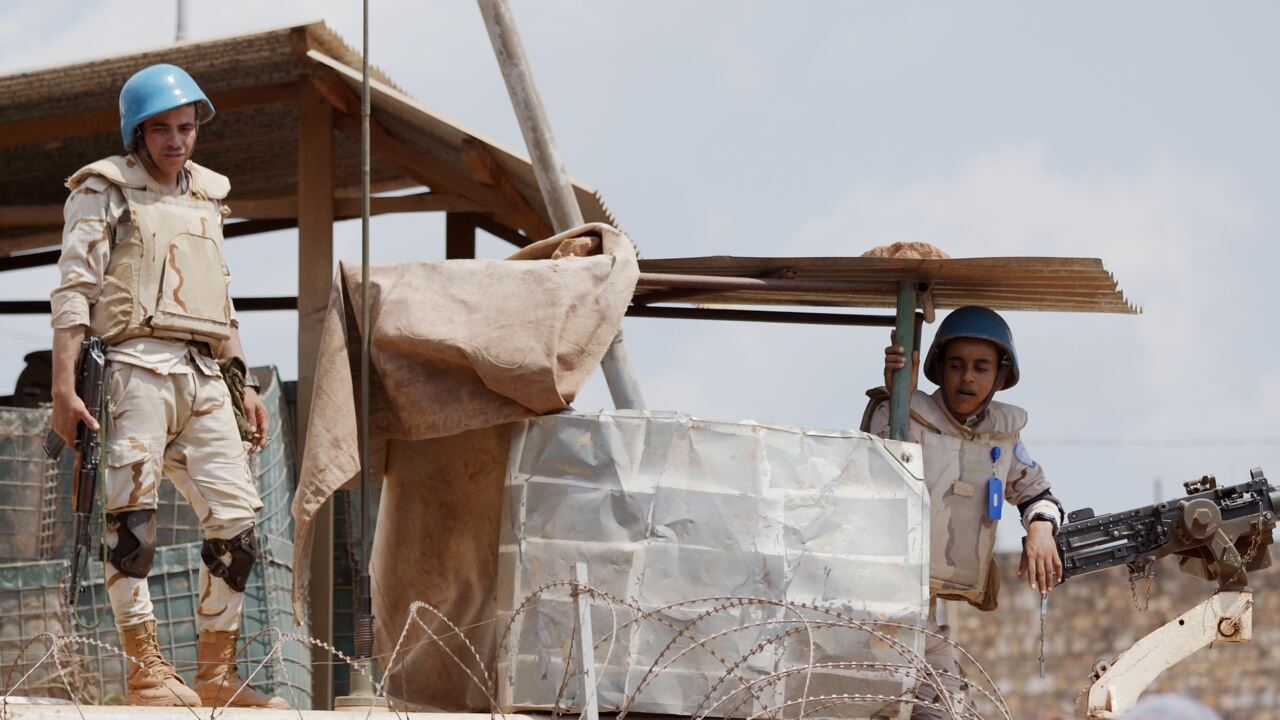
In 2000, African countries contributed about 10,000 troops to UN peacekeeping. By 2020, about 90,000 African military, police and civilian personnel were serving in UN and AU-led peace operations.
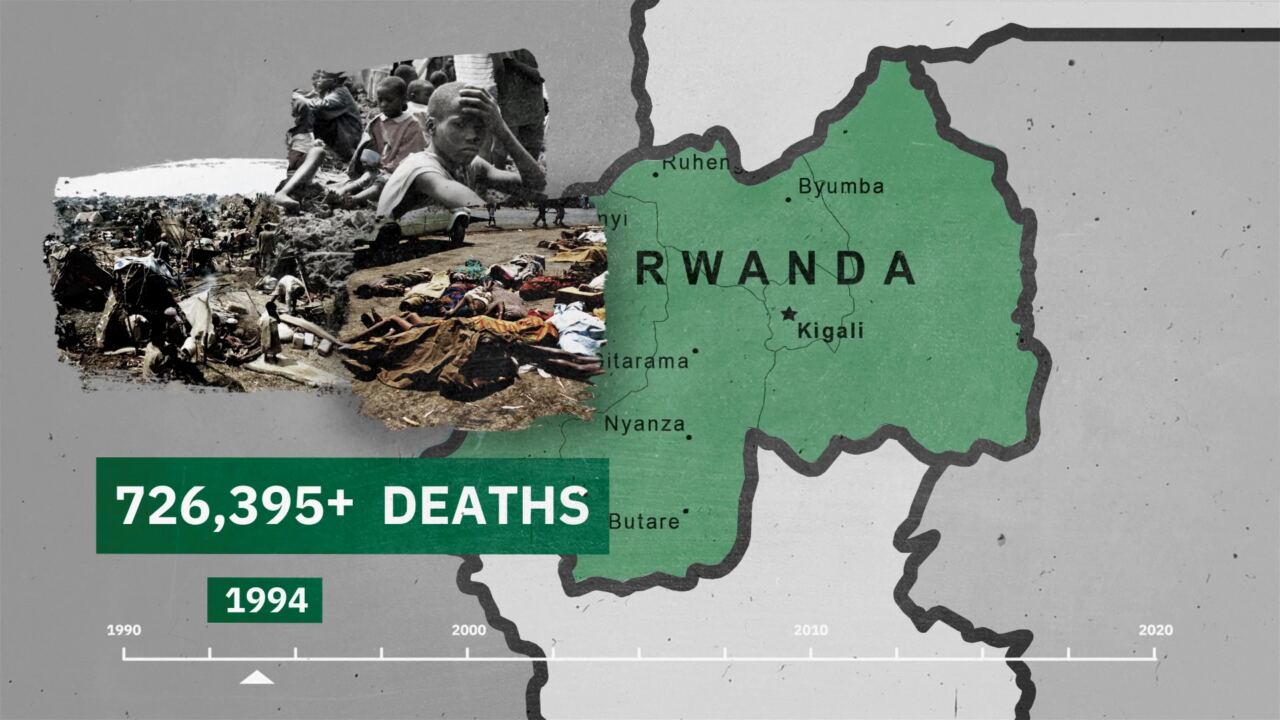
Since the early 1990s, United Nations peacemaking and peacekeeping efforts have largely been directed at Africa. At first, these efforts were seen as the rest of the world coming to Africa’s aid.
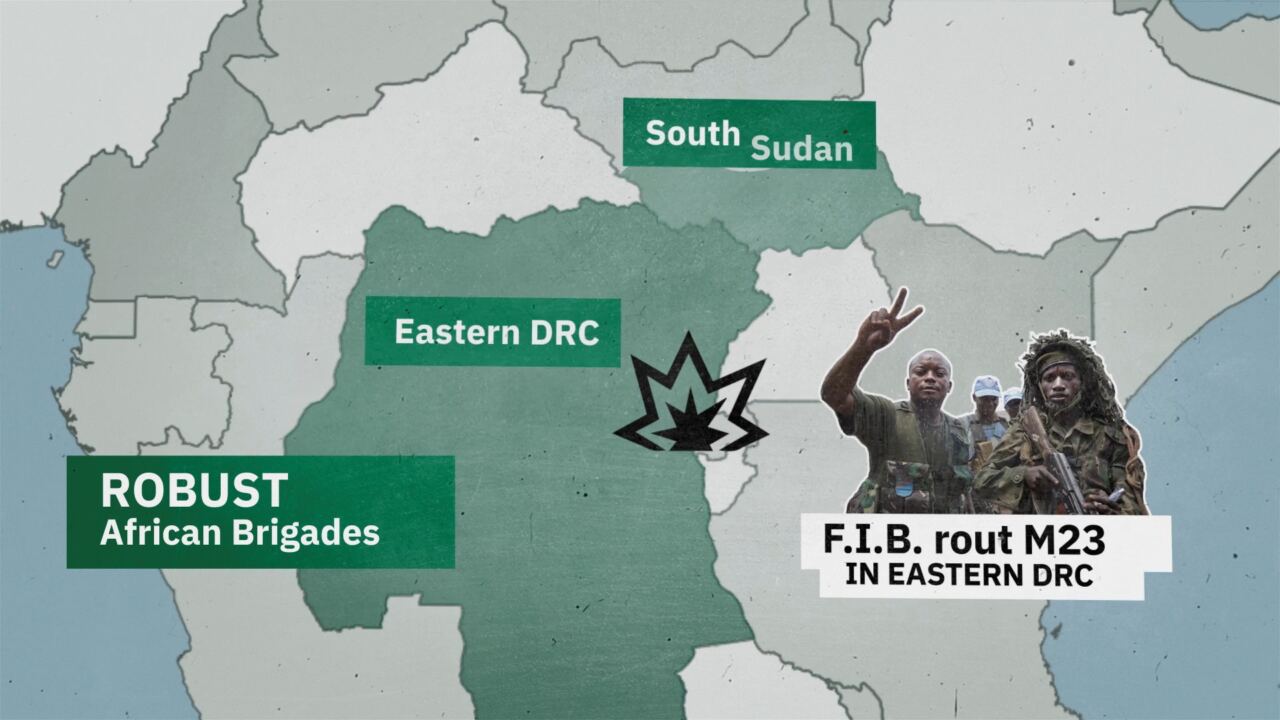
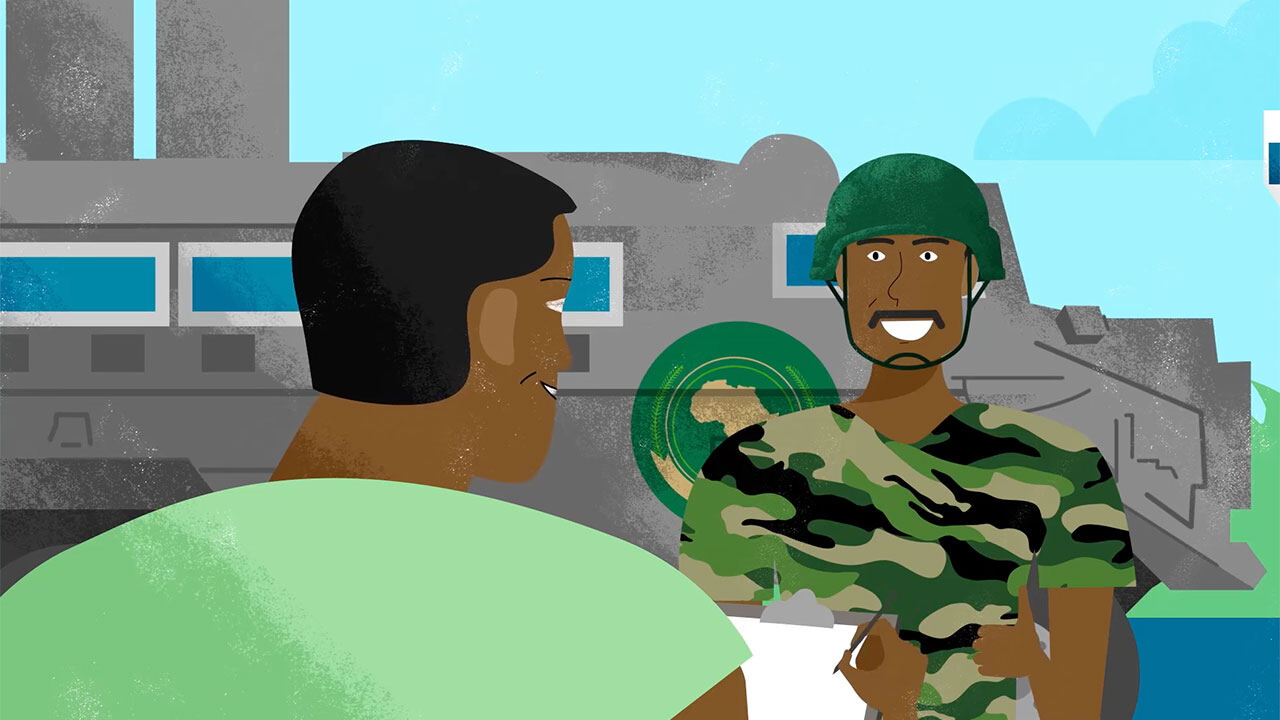
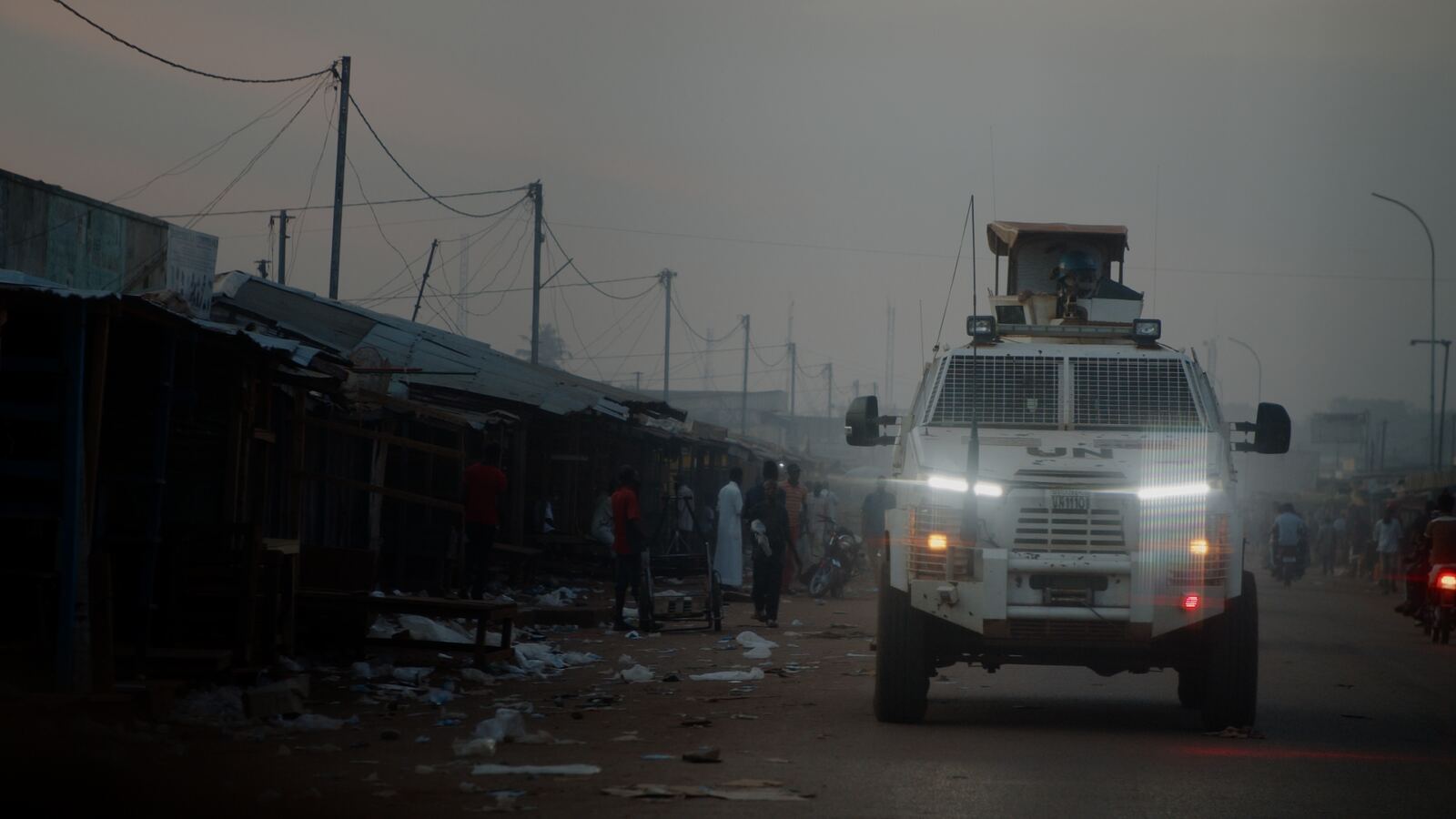
Over the last 20 years, that picture has changed. African countries contributed only about 10,000 troops to UN peacekeeping operations in 2000, when the African Union was established. By 2020 they were contributing about 90,000 military, police and civilian personnel to UN and AU-led peace operations, and supplying around half of all UN peacekeepers. Africa has also built its own peace and security architecture, and led more than 20 peace support operations of its own.
ACCORD, which has worked alongside African peace operations for decades, asked us to tell that story. It is a story of numbers and institutions, but also of people, and it needed to be clear to anyone, from diplomats to the public.
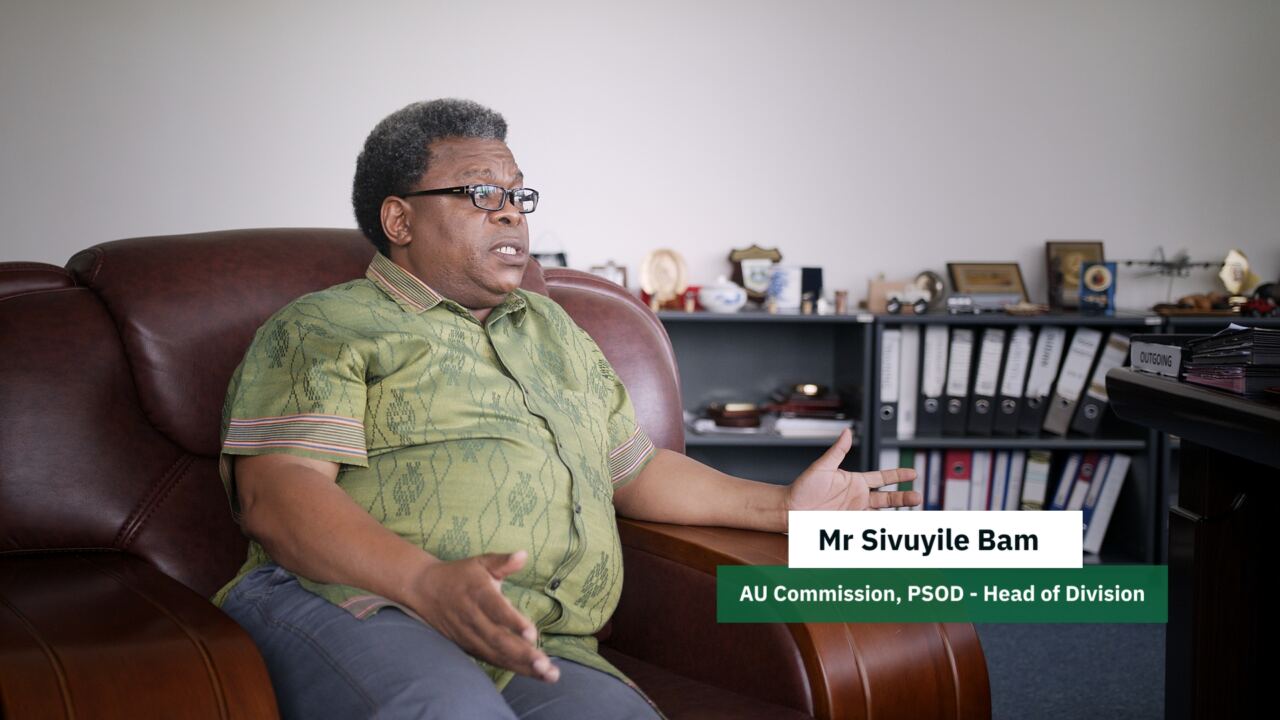
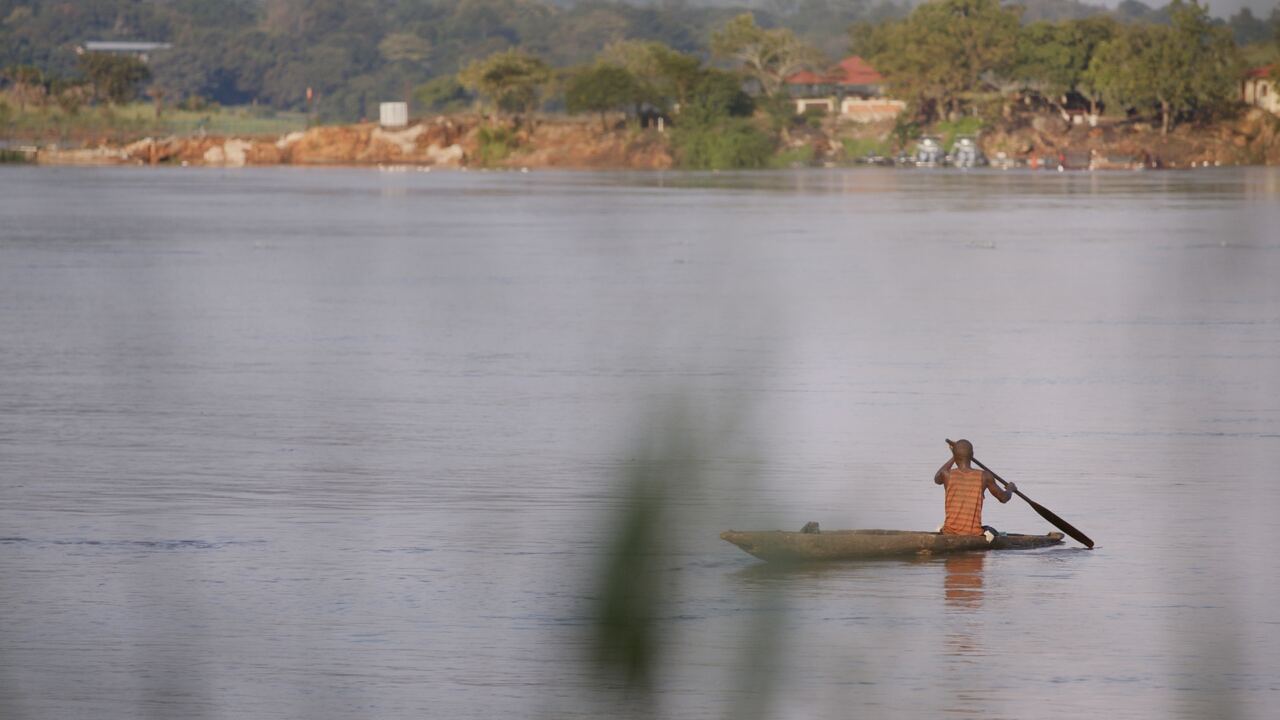
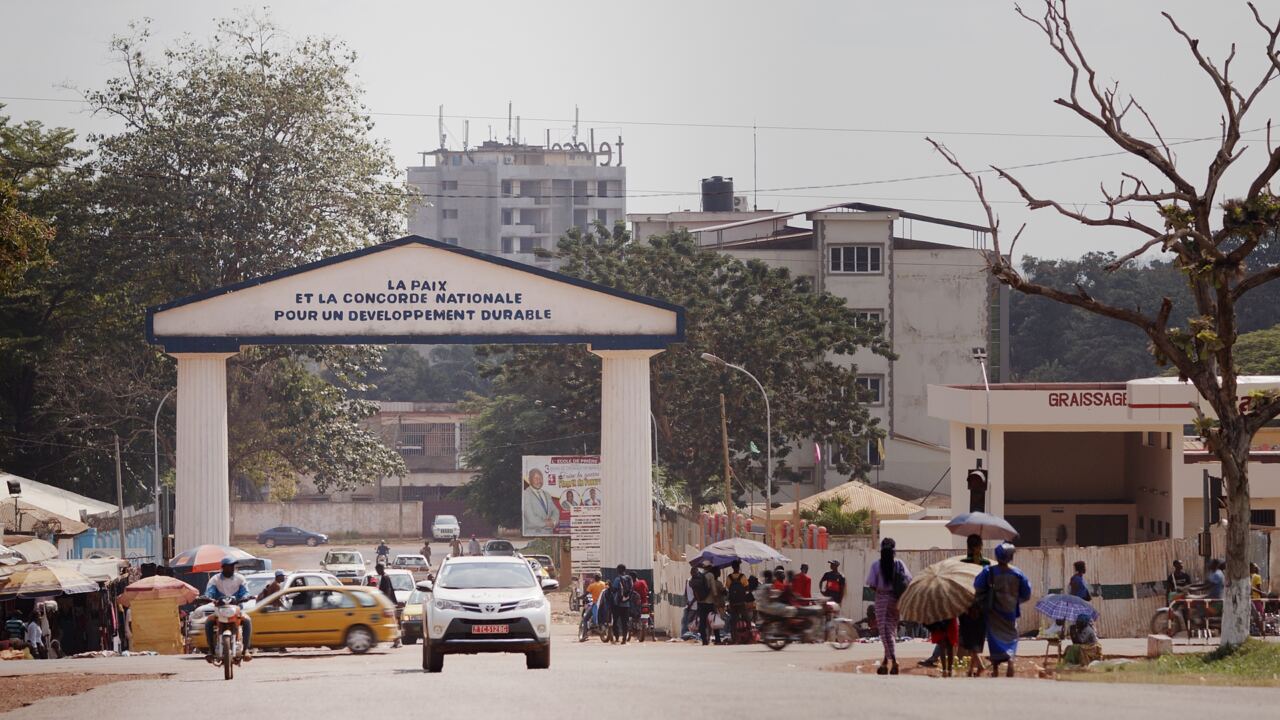
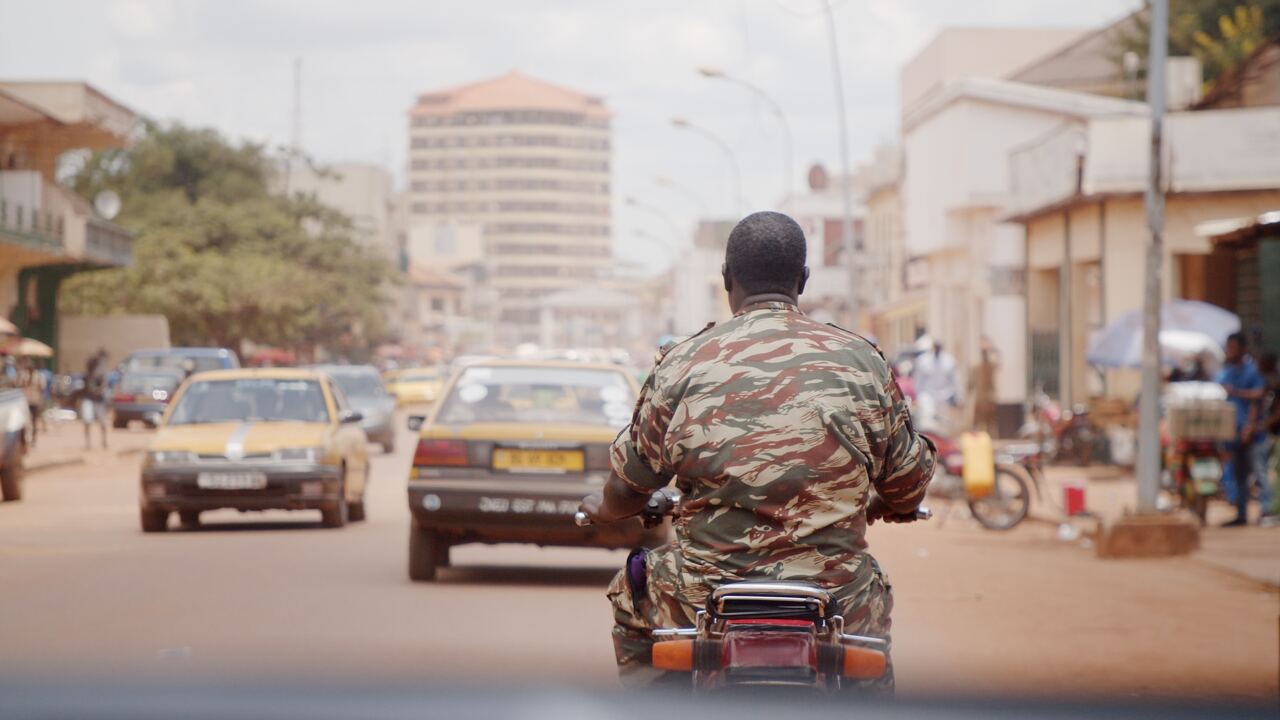
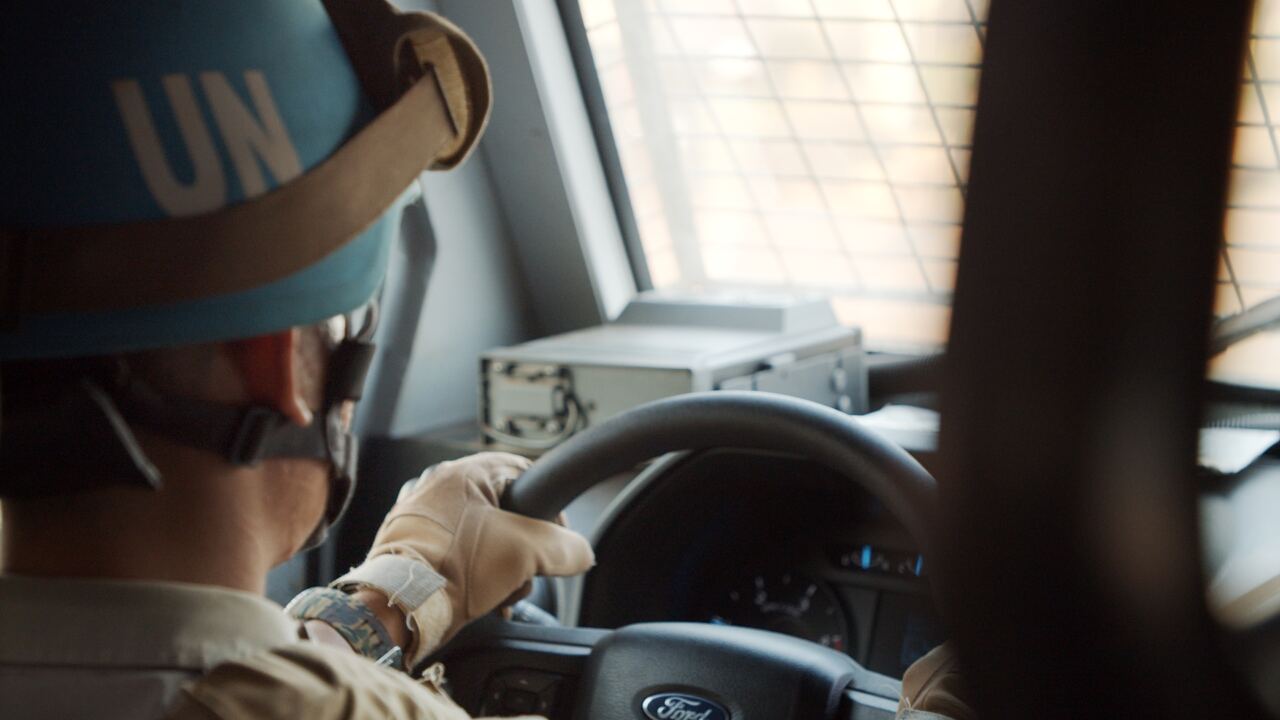
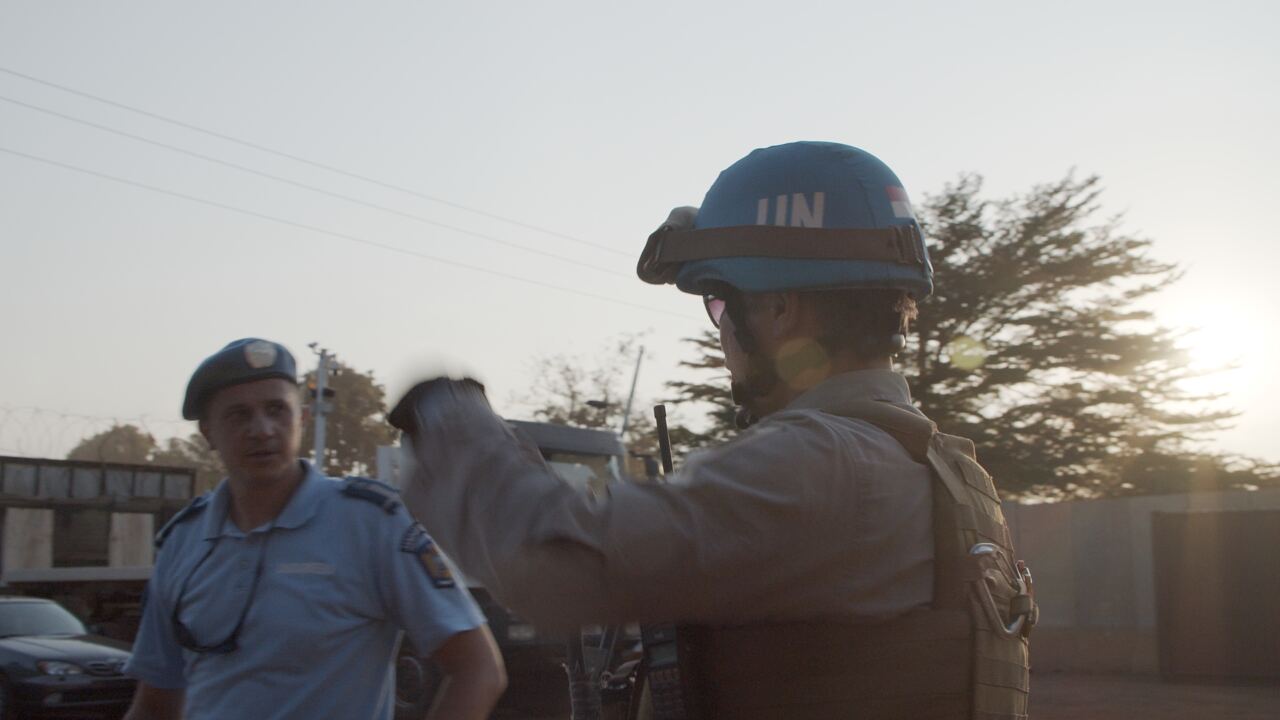
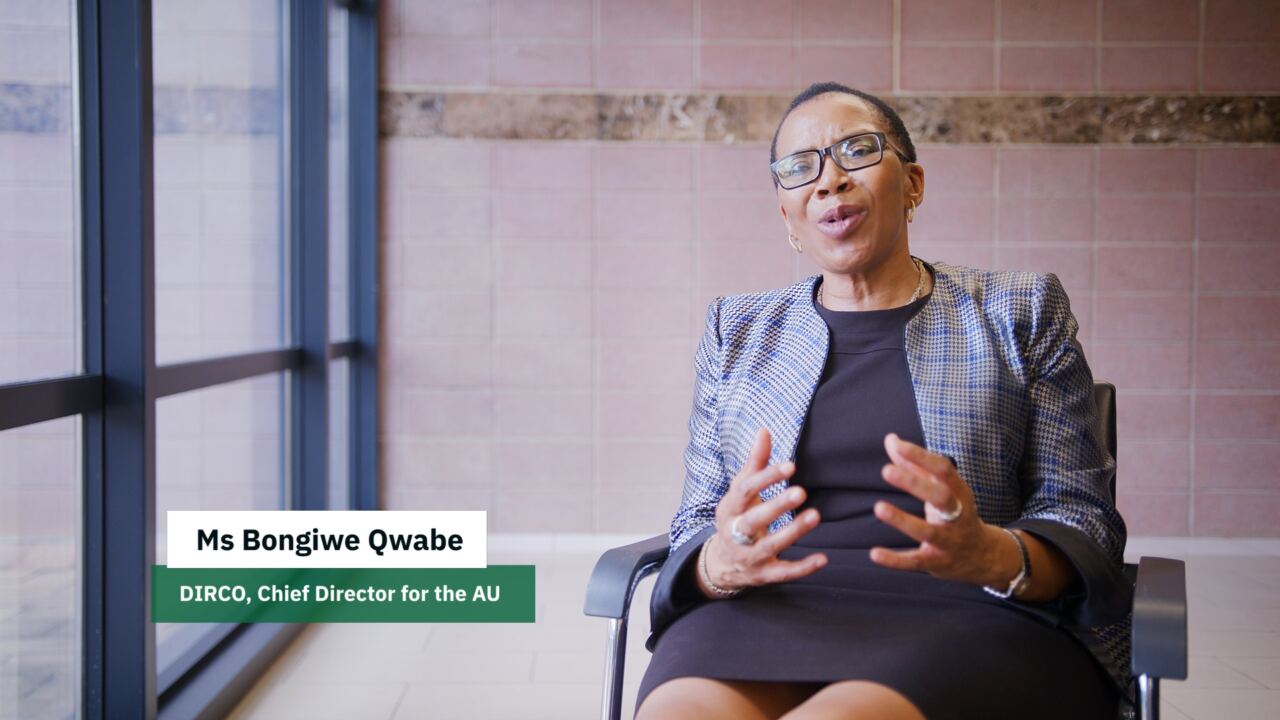
We combined three things: animated maps and data that show the scale of the change at a glance, footage of peace operations and the communities they serve, and interviews with the people who shaped them:
- Bongiwe Qwabe, Chief Director for the African Union, South Africa’s Department of International Relations and Cooperation
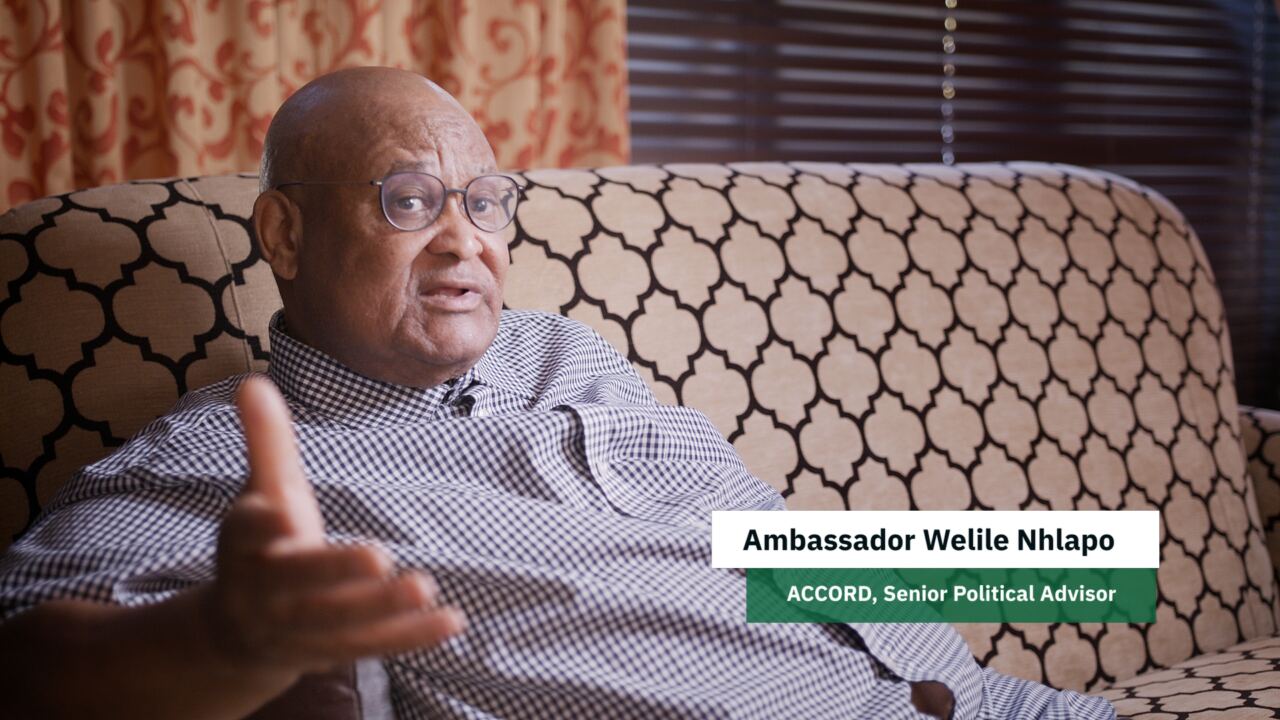
- Ambassador Welile Nhlapo, Senior Political Advisor, ACCORD
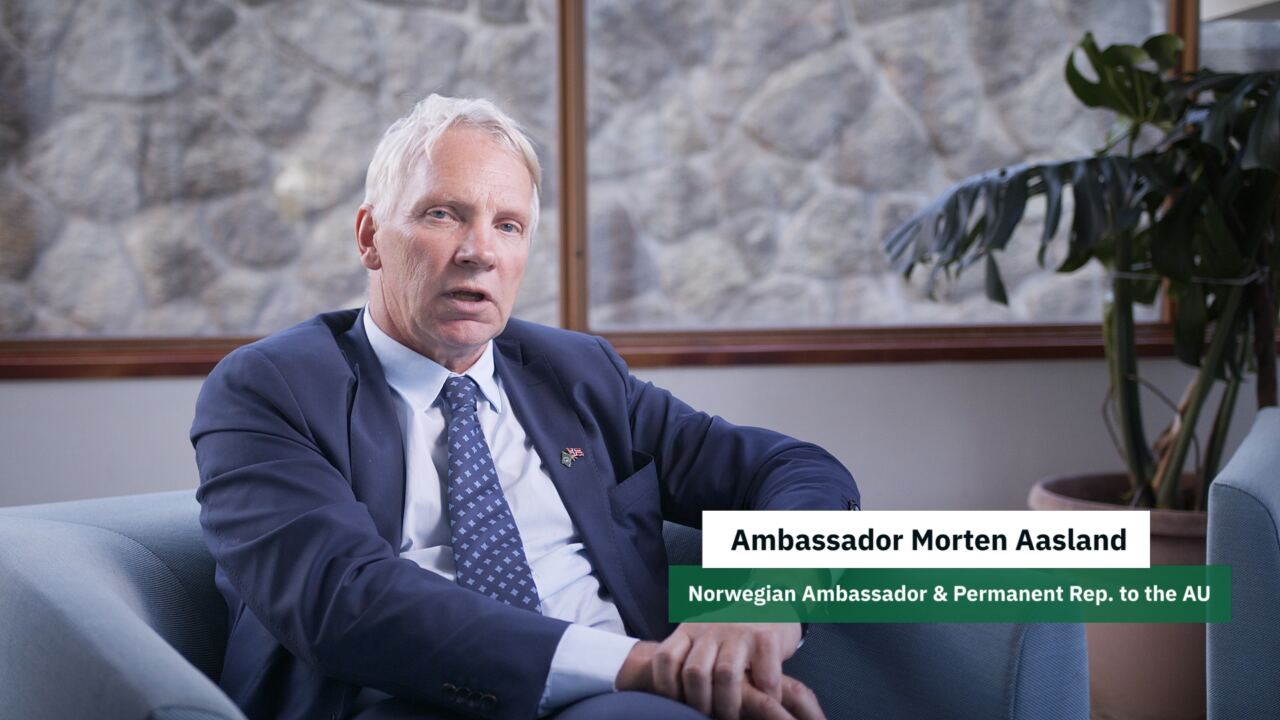
- Ambassador Morten Aasland, Norway’s Ambassador and Permanent Representative to the African Union
- Sivuyile Bam, Head of Division, Peace Support Operations, African Union Commission
The film shows what Africa has achieved, and what it means for the future of peace and conflict on the continent.