Helping 24 countries implement the Nagoya Protocol
Website, secure collaboration community and a methodology guidebook for the UNDP-GEF Global ABS Project.
The need
Who they needed to reach
Government officials, researchers, practitioners and project staff working on access and benefit-sharing in 24 countries
What stood in the way
Plants, animals, microbes and the traditional knowledge that goes with them are valuable to science and industry. The Nagoya Protocol, under the Convention on Biological Diversity, sets out how countries can control access to these resources and make sure the benefits from using them are shared fairly with the countries and communities they come from. Putting it into practice means new laws, permits and skills. The UNDP-GEF Global ABS Project helped 24 countries build their national frameworks, people and administrative systems to do it. The people doing this work were spread across the world, and had few ways to learn from one another.
What success looked like
Officials and practitioners in every country able to find what others had done, share their own experience, and learn together in a trusted space.
How we met the need
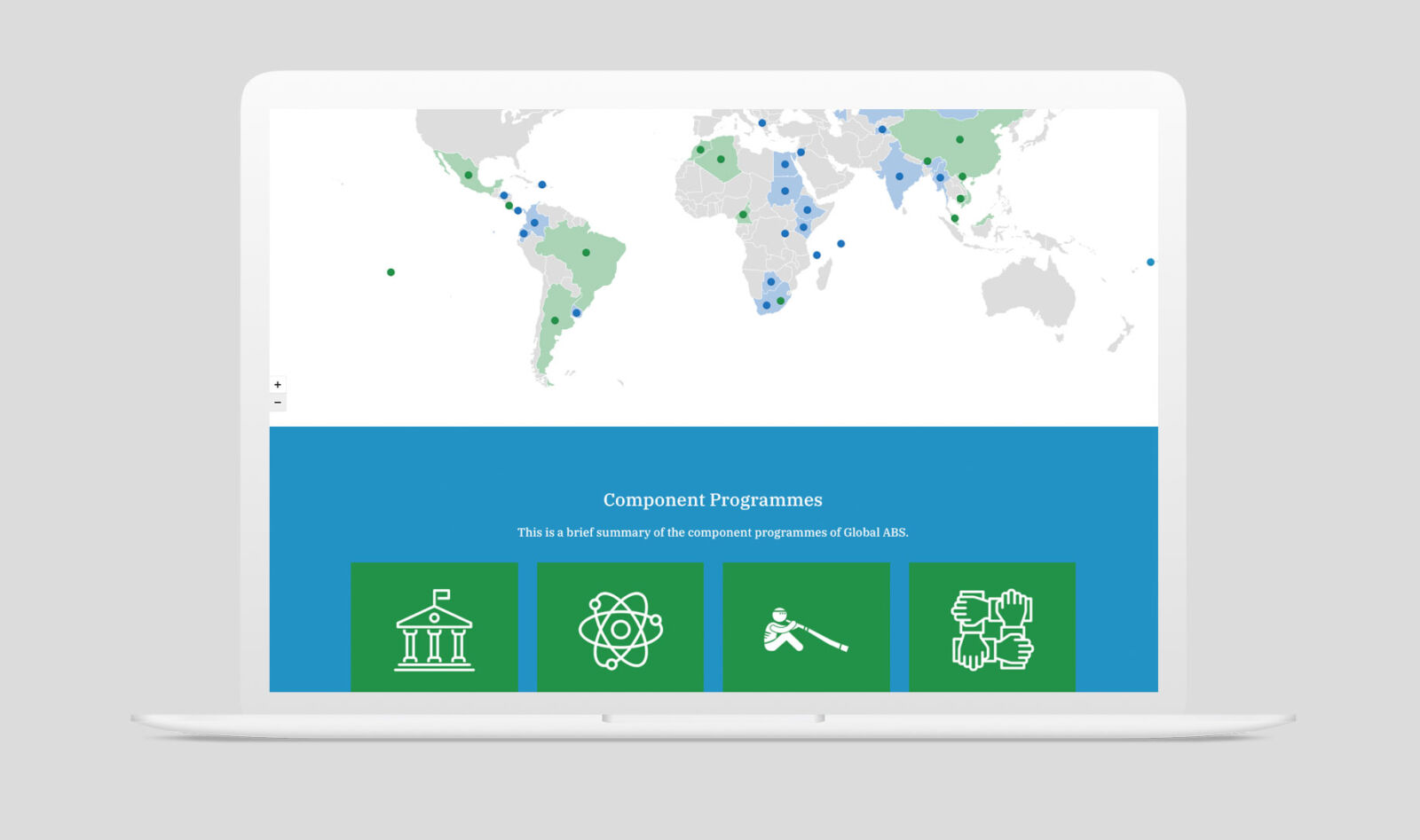
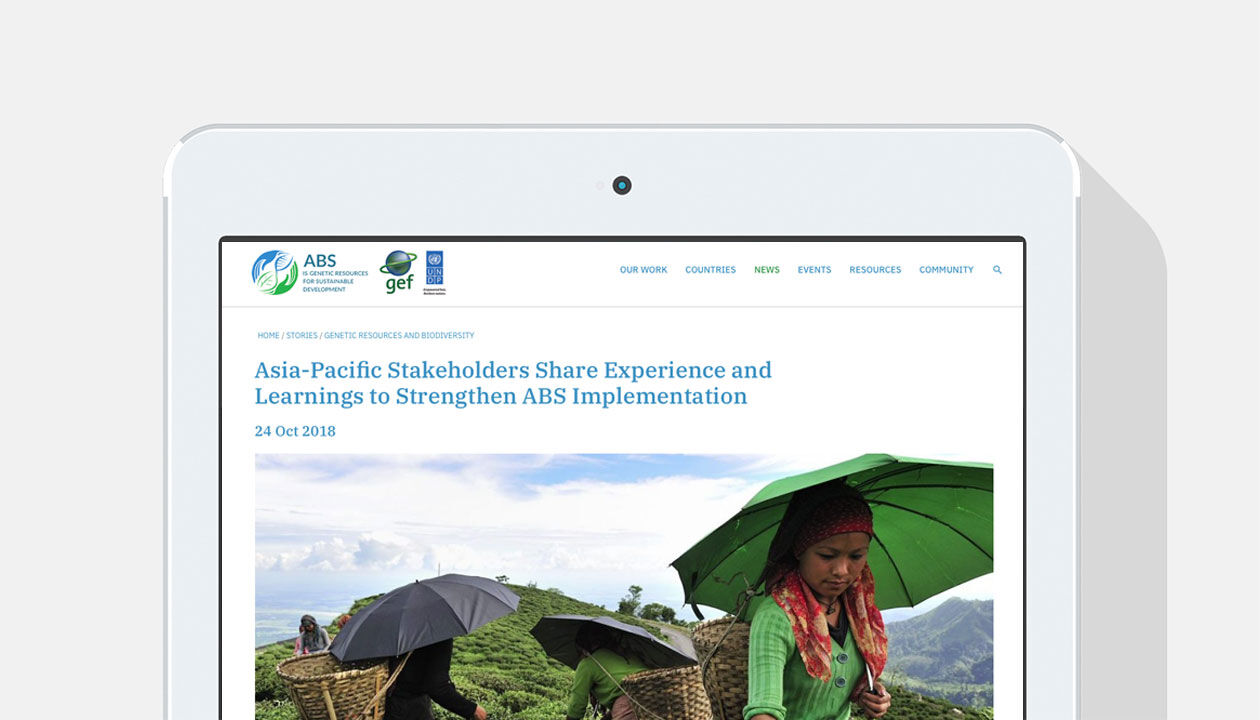
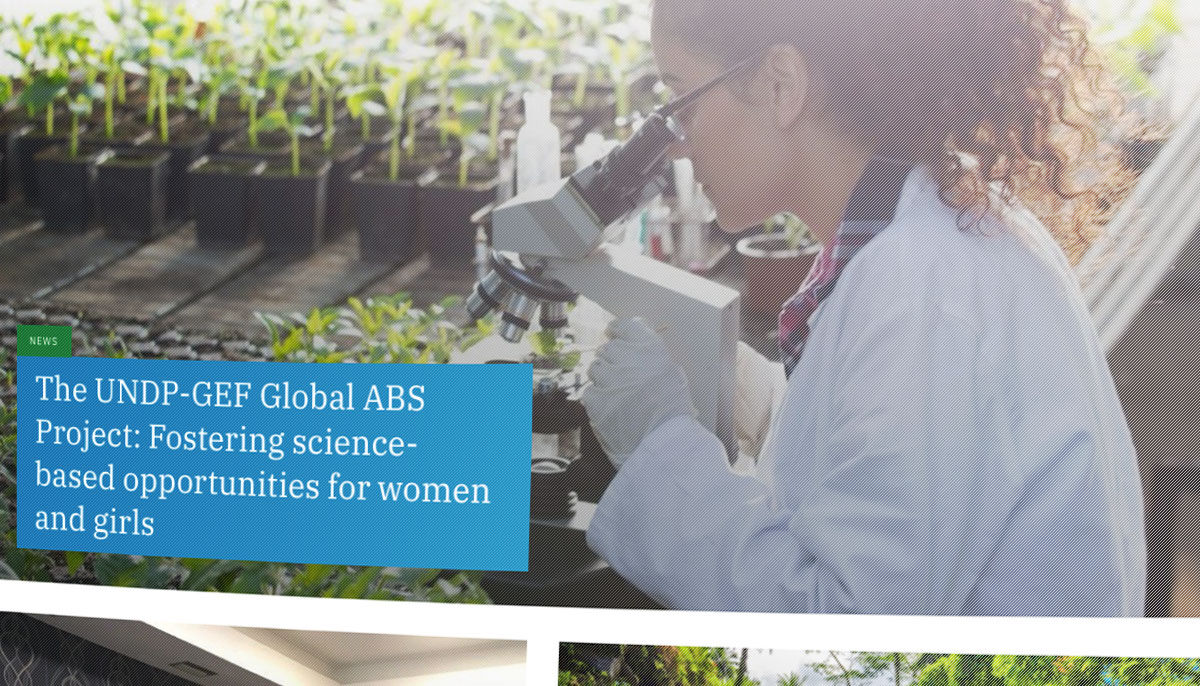
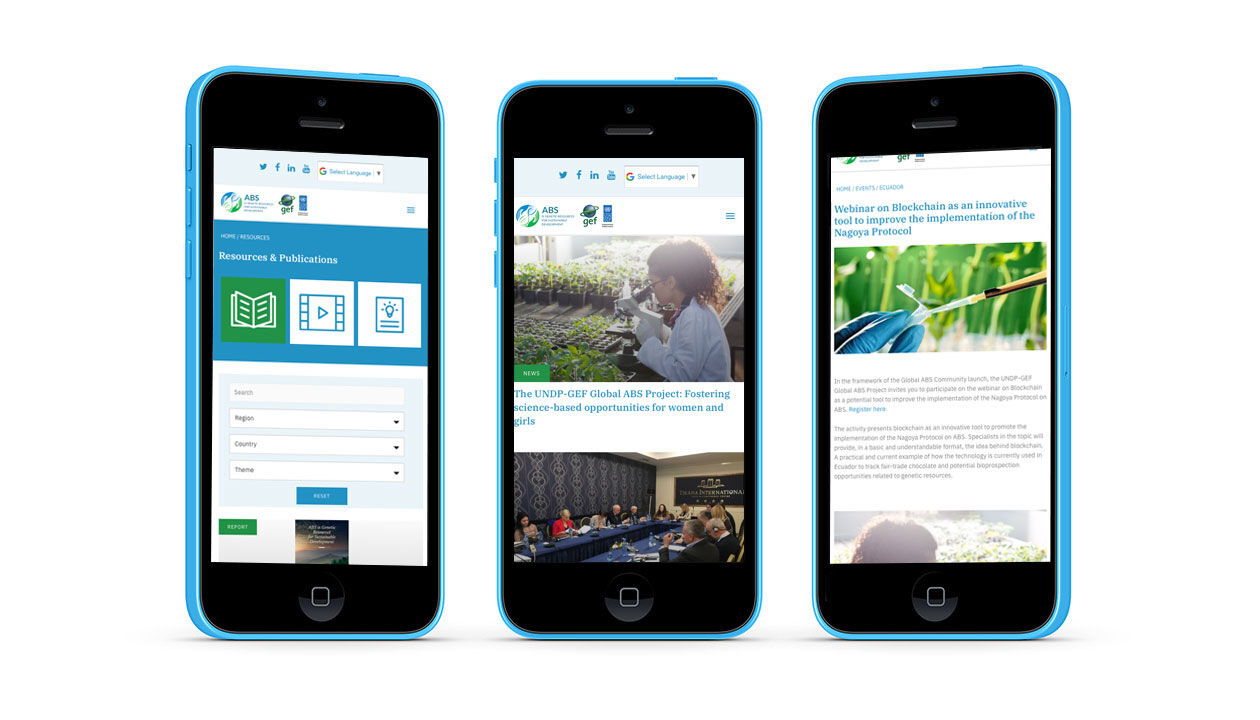
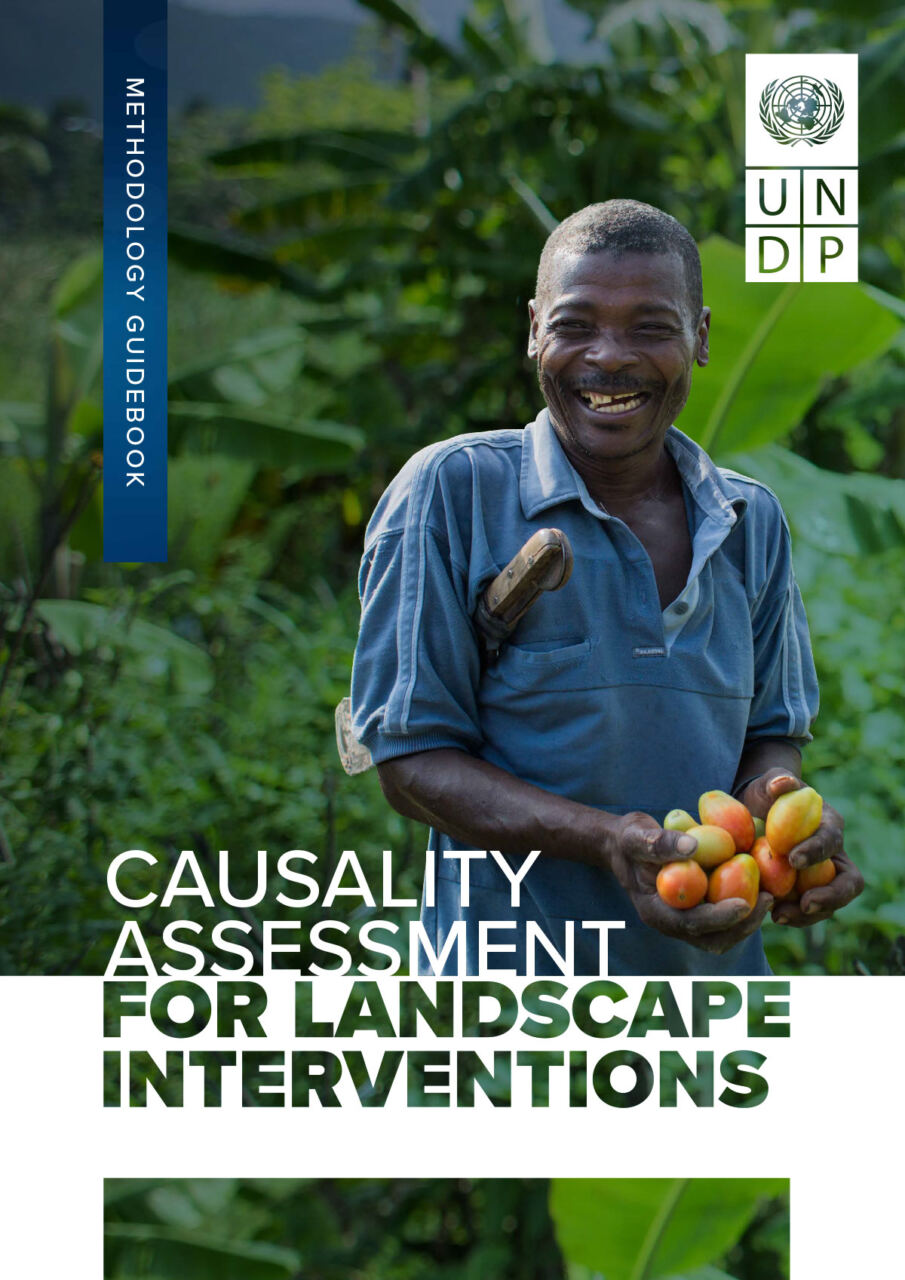
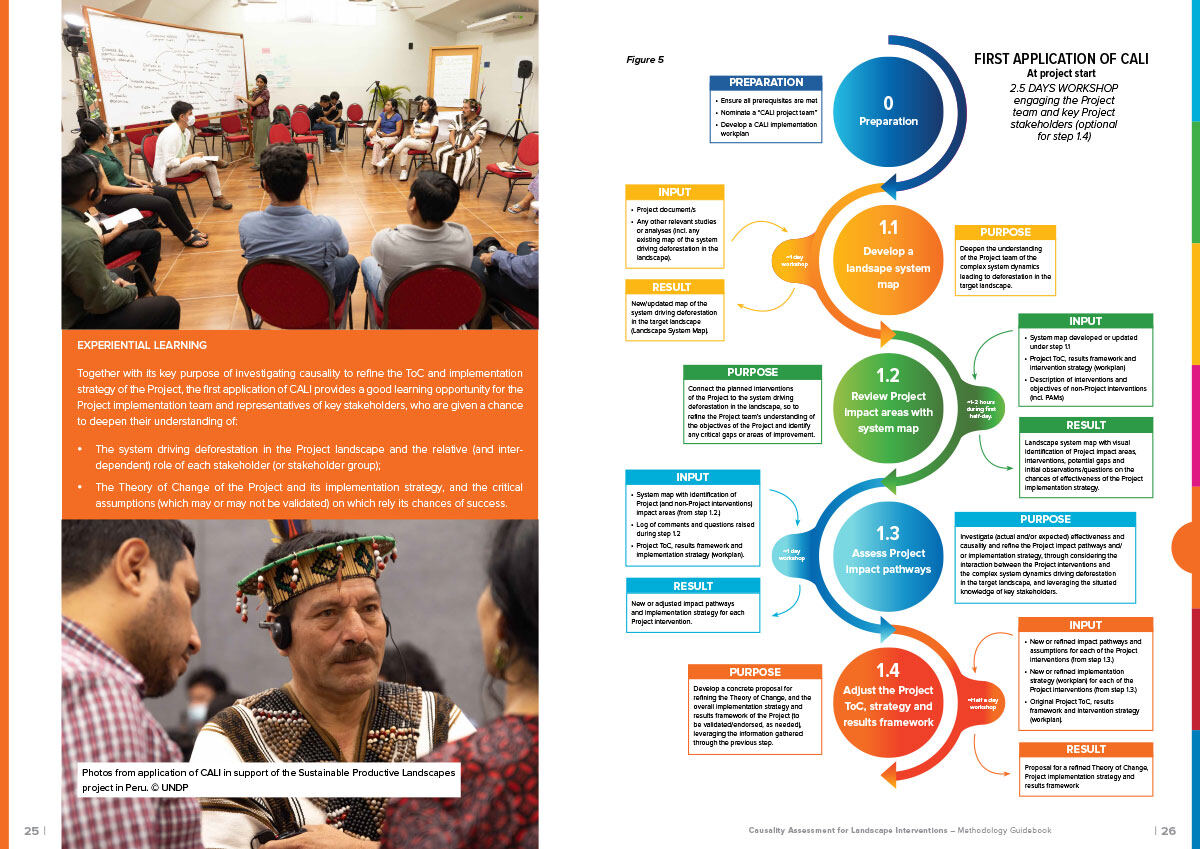
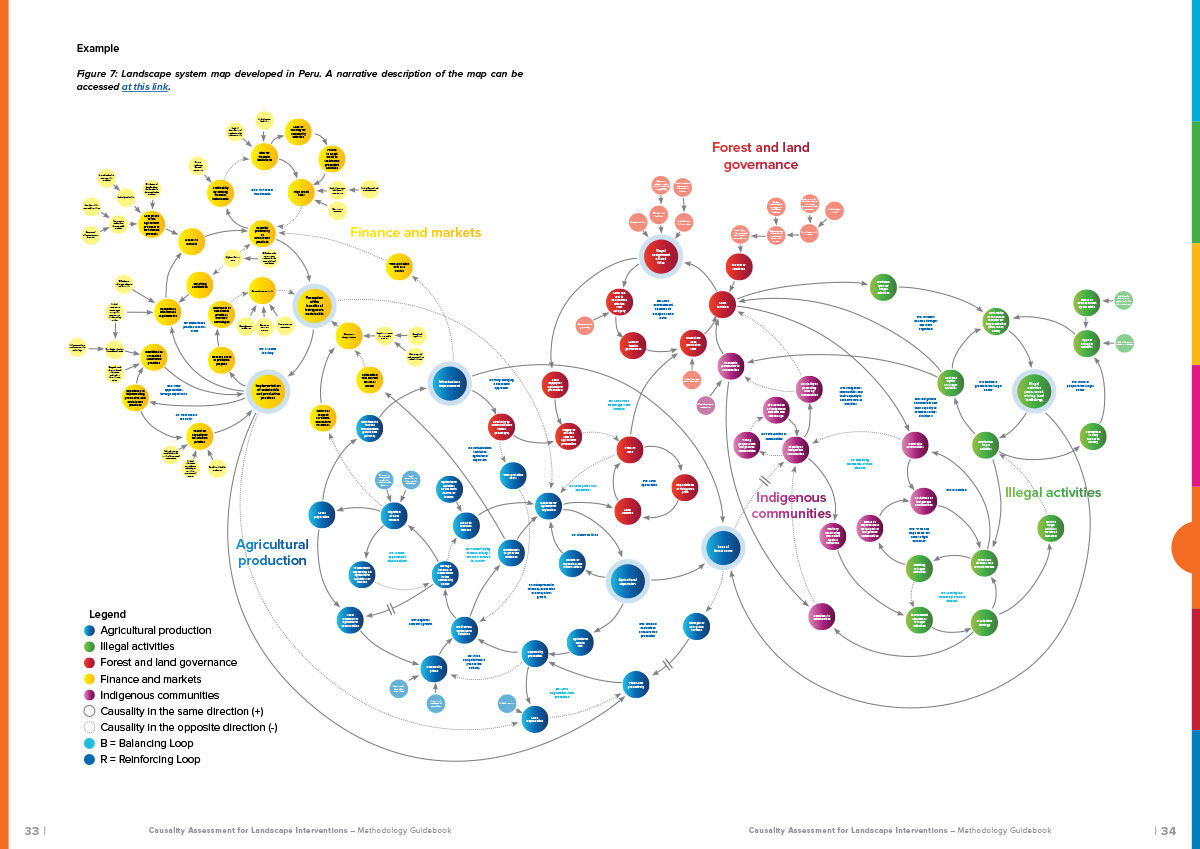
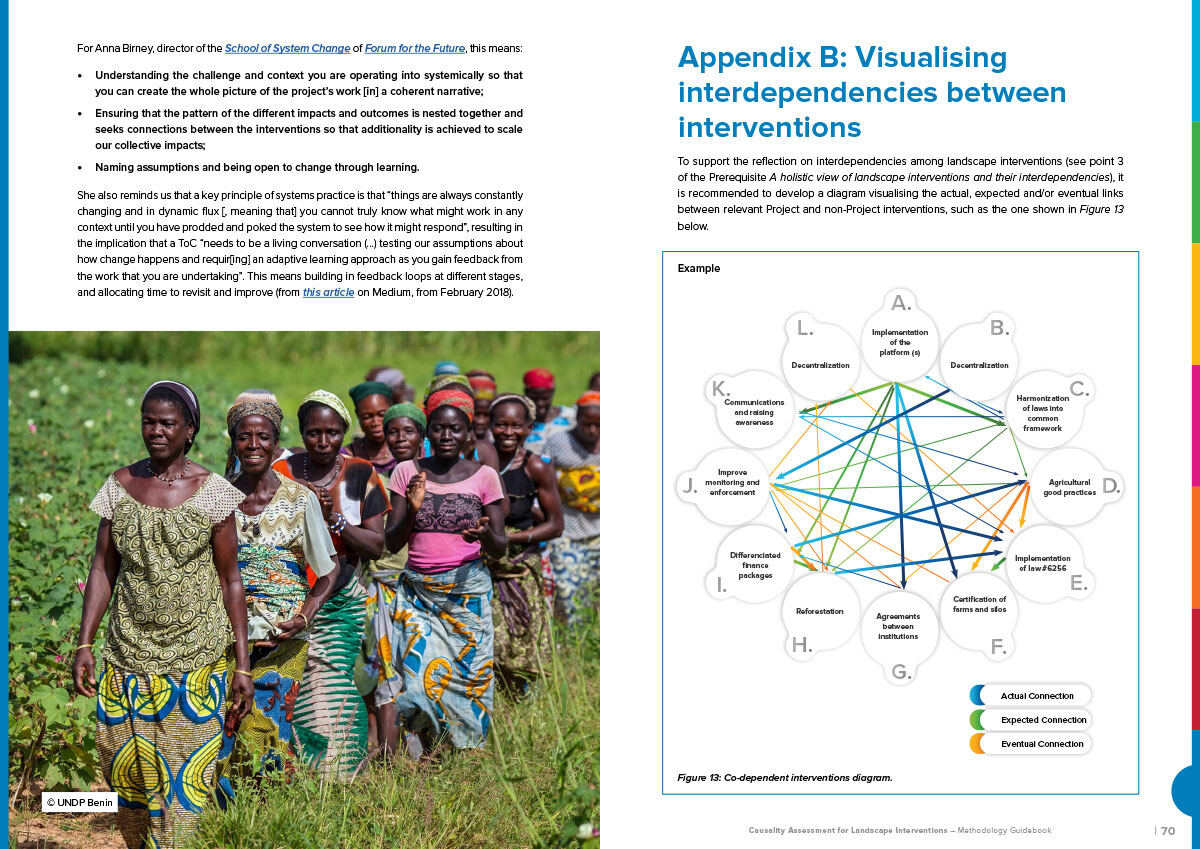
We built two connected sites. The public project website brings together news, events, published resources and multimedia from all 24 countries, reached through an interactive map. The Global ABS Community is a secure, members-only site that combines an online forum, a knowledge library and an online learning environment, so country teams can talk openly and learn from each other. We also designed the guidebook and infographics for the Causality Assessment for Landscape Interventions (CALI) methodology, with UNDP Panama.
The process
Access and benefit-sharing is about fairness. When a company develops a medicine, cosmetic or crop from a plant or microbe found in one country, or from the traditional knowledge of a community, the Nagoya Protocol says the benefits should be shared with the people and the country it came from. That can mean income, research partnerships or technology, and it gives countries a reason to protect their biodiversity.
Turning that principle into practice is hard. Countries need laws, permit systems, trained officials and agreements that both users and providers trust. The UNDP-GEF Global ABS Project supported 24 countries to build those national frameworks and skills, alongside national ABS projects in 16 countries.
The project needed two things online. Partners, funders and the public needed to see what was happening across 24 countries. The officials and practitioners doing the work needed somewhere private to ask questions, share drafts and learn from each other. We built a public website for the first, with news, resources and an interactive map leading to each country, and a secure community site for the second, with a forum, a shared library and online learning.
Alongside the websites, we designed the guidebook and infographics for the Causality Assessment for Landscape Interventions (CALI), a UNDP methodology for understanding how interventions in a landscape affect each other. Clear diagrams and system maps turn a complex method into something teams on the ground can use.
What the client got
Information from 24 countries is shared in one place, and the people putting the Nagoya Protocol into practice can collaborate and learn in a secure online environment. The public site shows the project's progress to partners and funders, while the community gives country teams a trusted space to ask questions and share what works.
Visit the live site ↗