Small islands, vast oceans, one fight against fisheries crime
Large Ocean Nations, an educational animation for PescaDOLUS, released at FishCRIME 2018.
The need
Who they needed to reach
Ministers and officials from large ocean nations, their partners in other countries and international organisations, and the public
What stood in the way
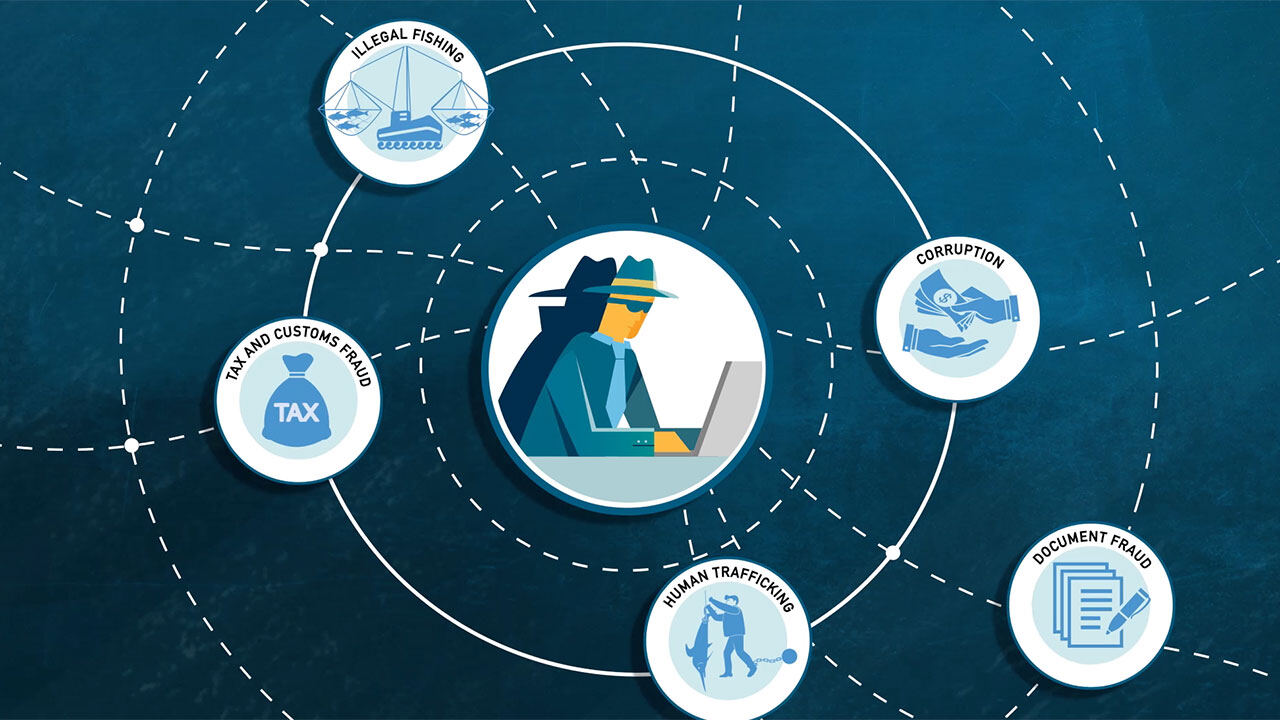
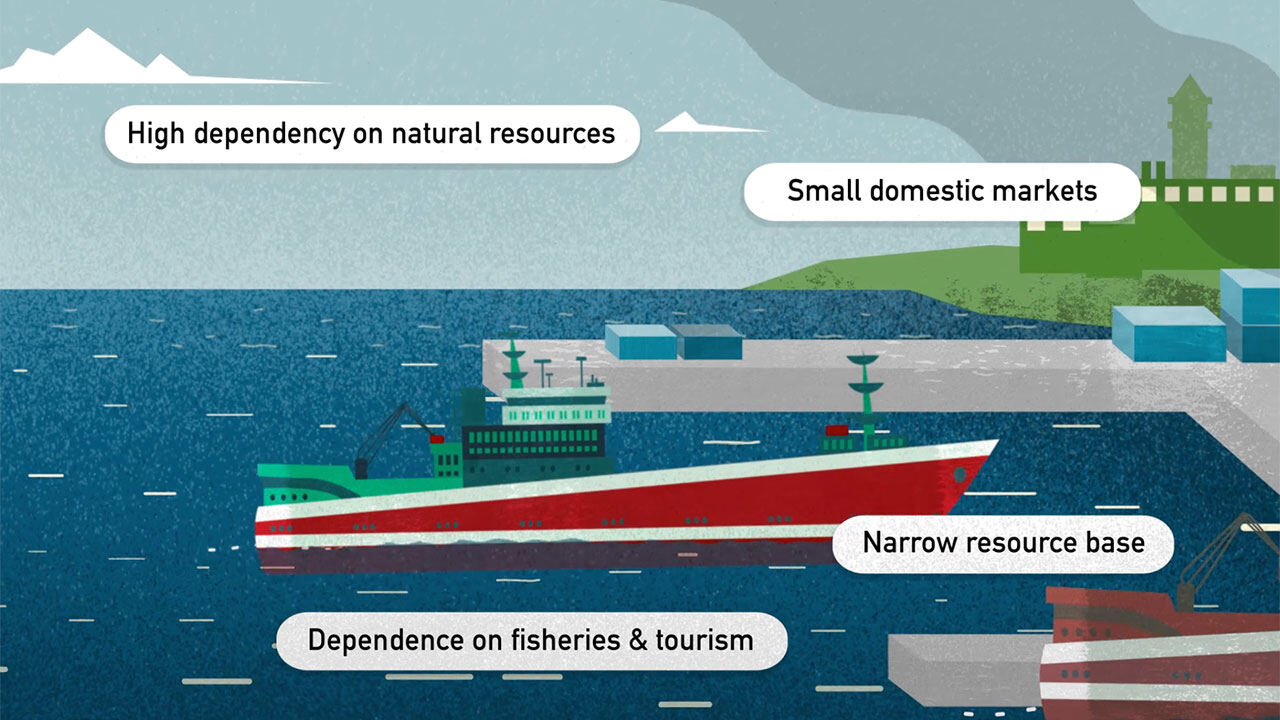
Small island states are small on land but control huge areas of ocean. Many depend heavily on fishing and tourism, with small domestic markets and a narrow resource base, and their vast waters are hard to police. That makes them especially exposed to fisheries crime, from illegal fishing to tax and customs fraud, corruption, document fraud and human trafficking. Few people outside these countries see them as ocean powers with a common cause, or understand what is at stake.
What success looked like
Large ocean nations recognising their shared challenge and agreeing to work together against transnational organised fisheries crime.
How we met the need
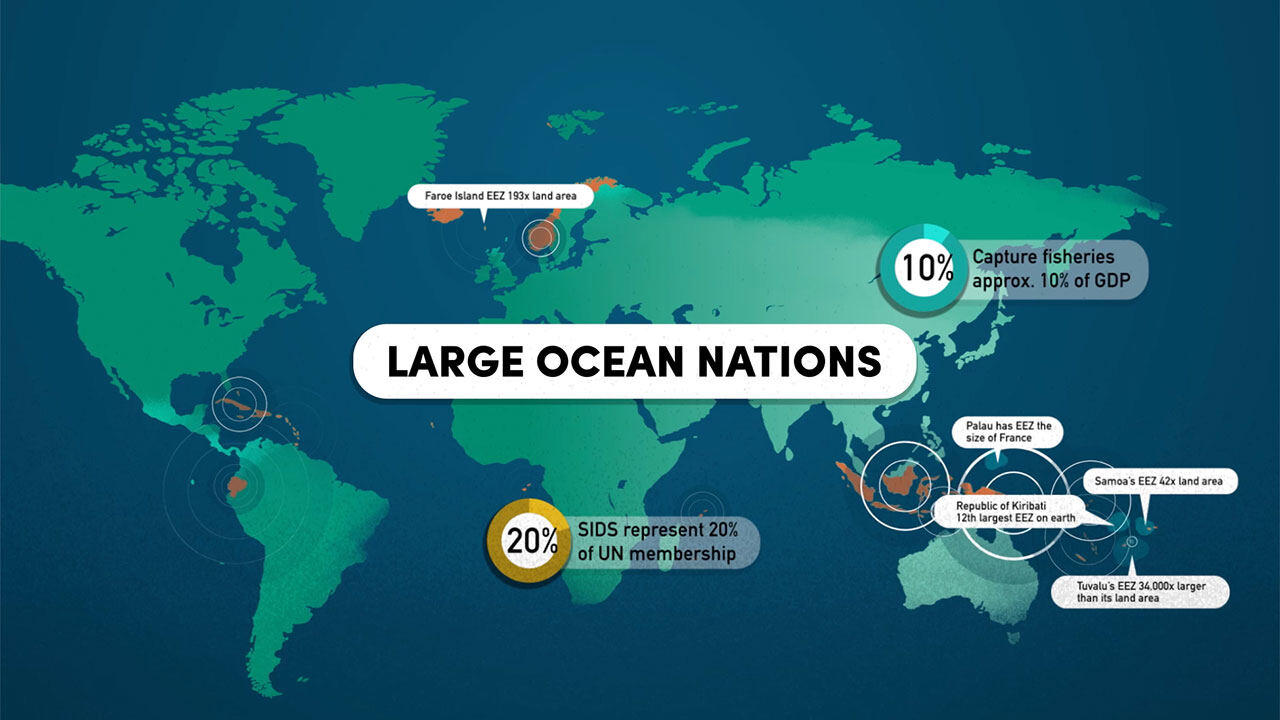
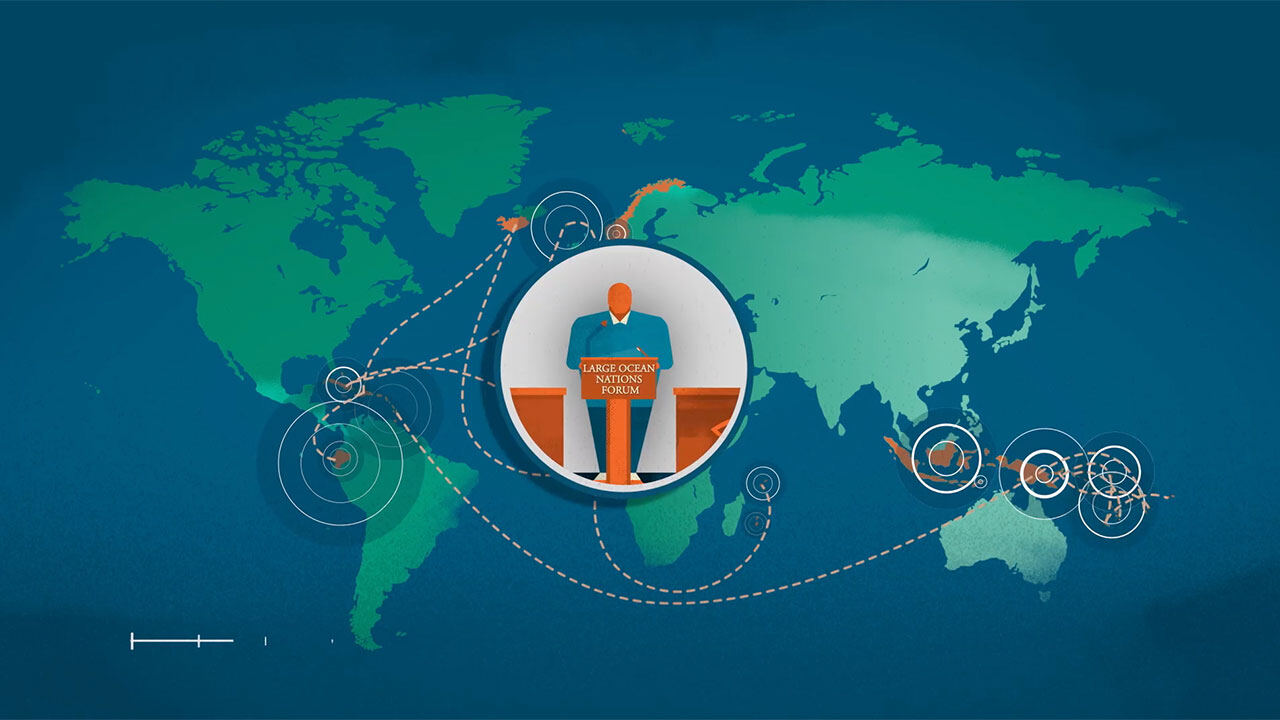
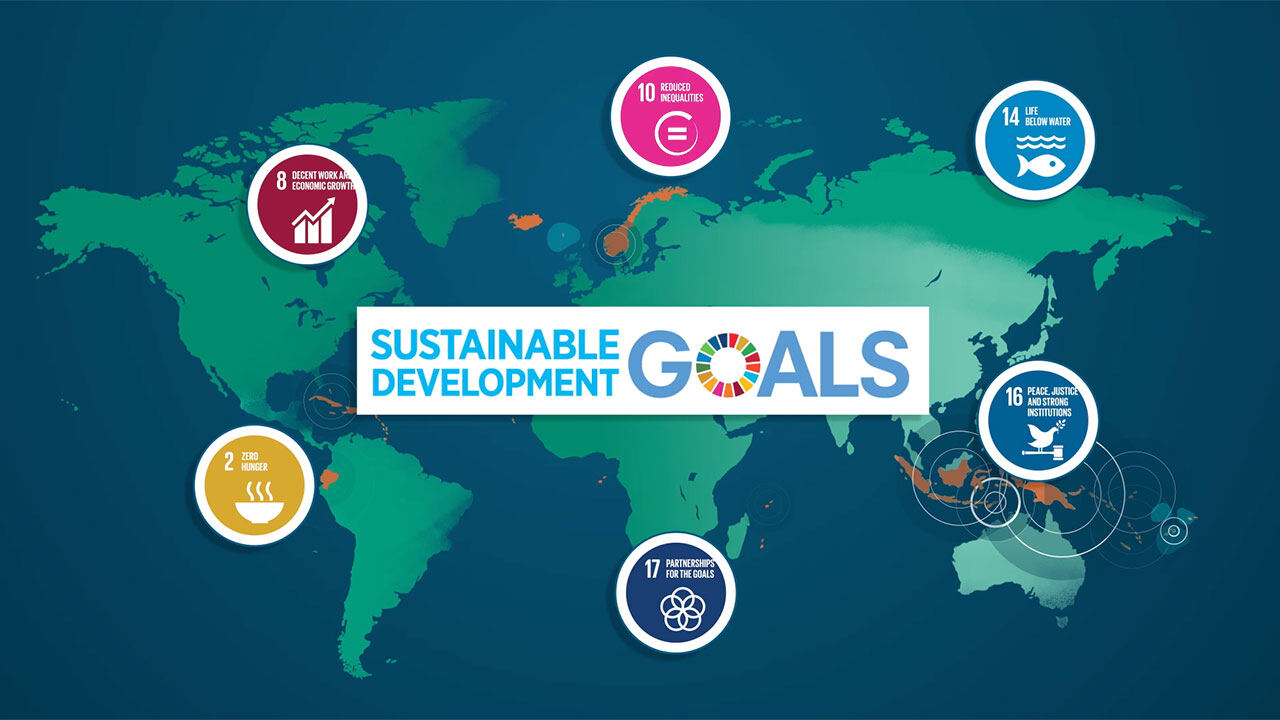
We reframed small island states as what they really are at sea, large ocean nations, and showed it on the map. Animated maps and data set out their ocean territory and their dependence on fisheries, then the film follows the crimes that target them and ends with the case for working together, linked to the Sustainable Development Goals.
The process
Small island developing states make up around a fifth of the United Nations’ members. On land they are small, but at sea many of them control areas of ocean far larger than their territory, rich in fish. They are better described as large ocean nations.
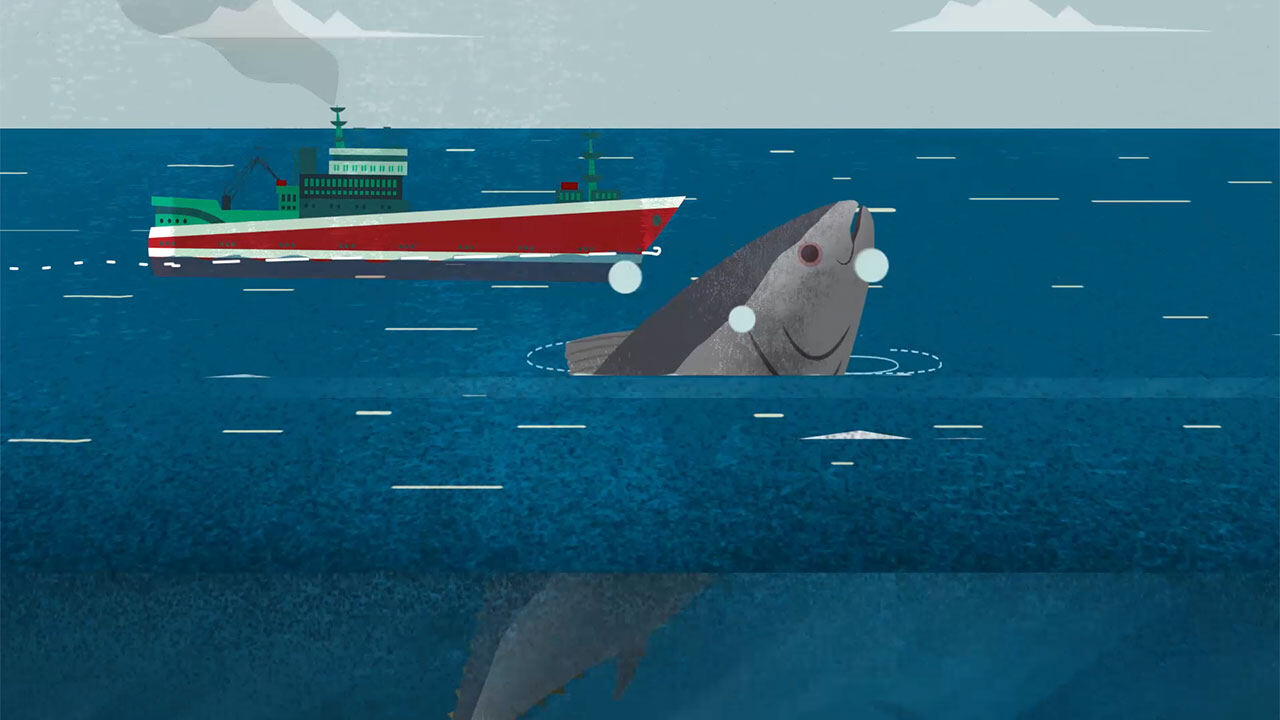
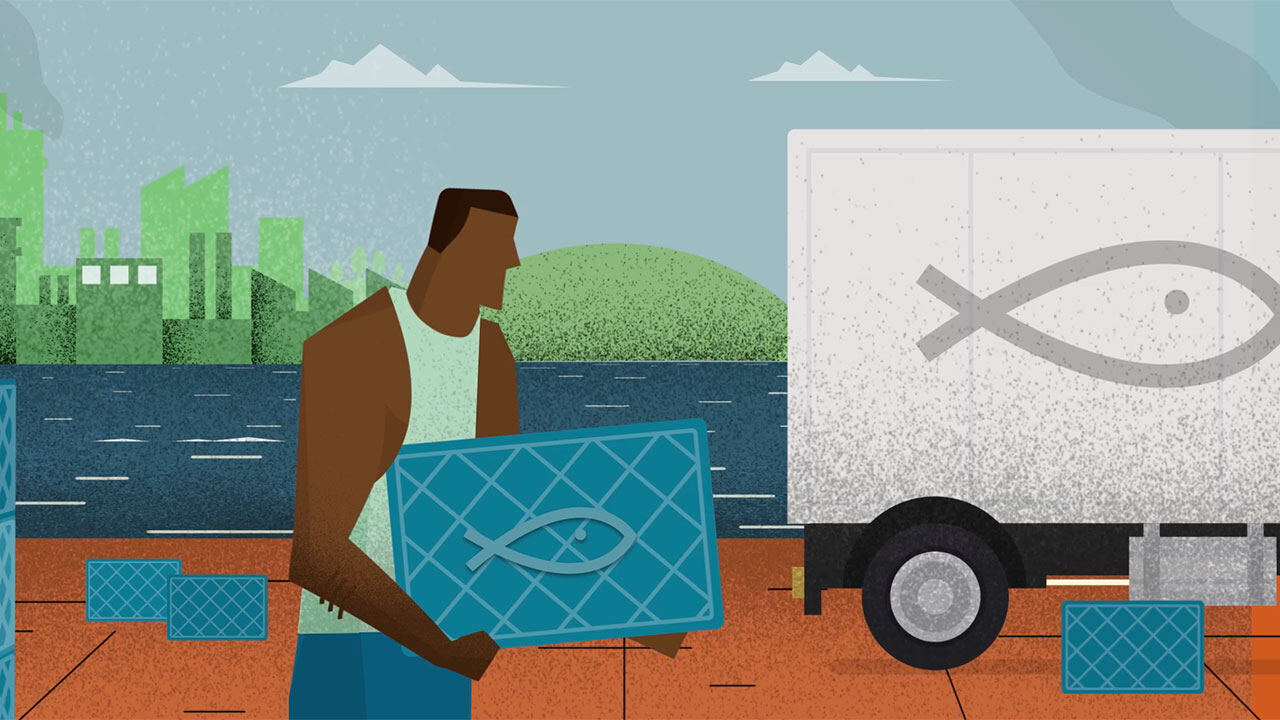
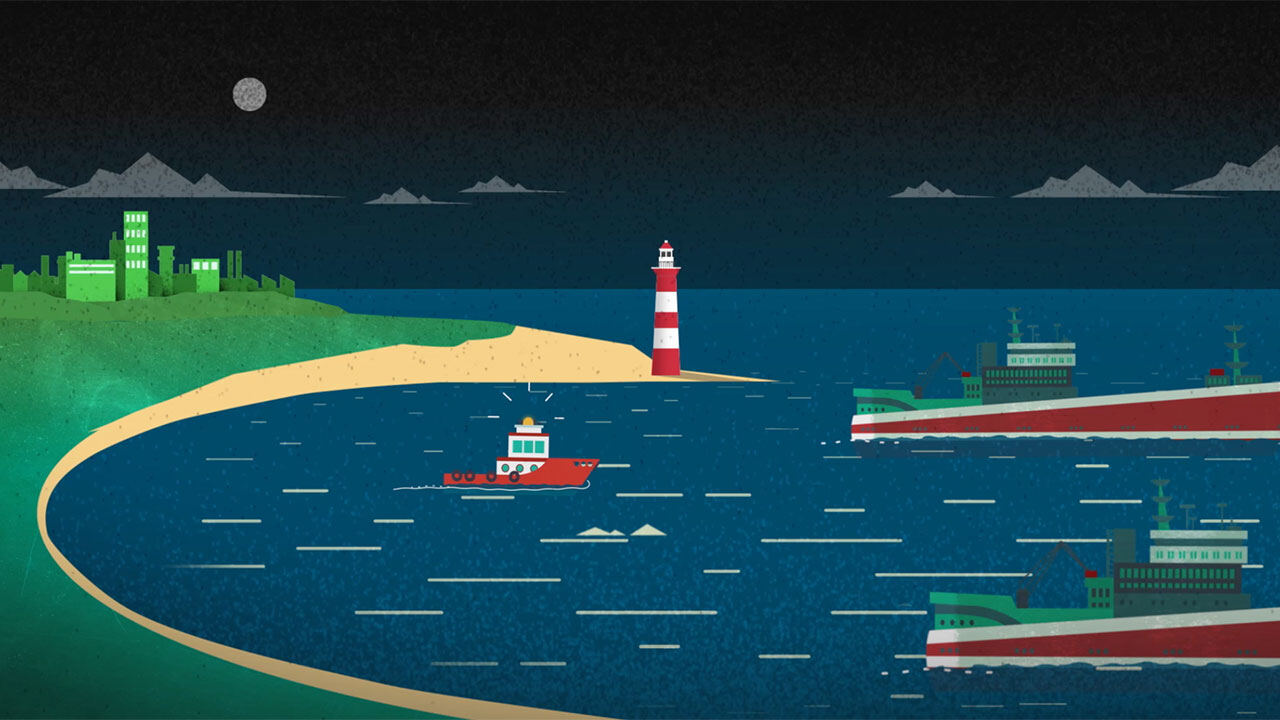
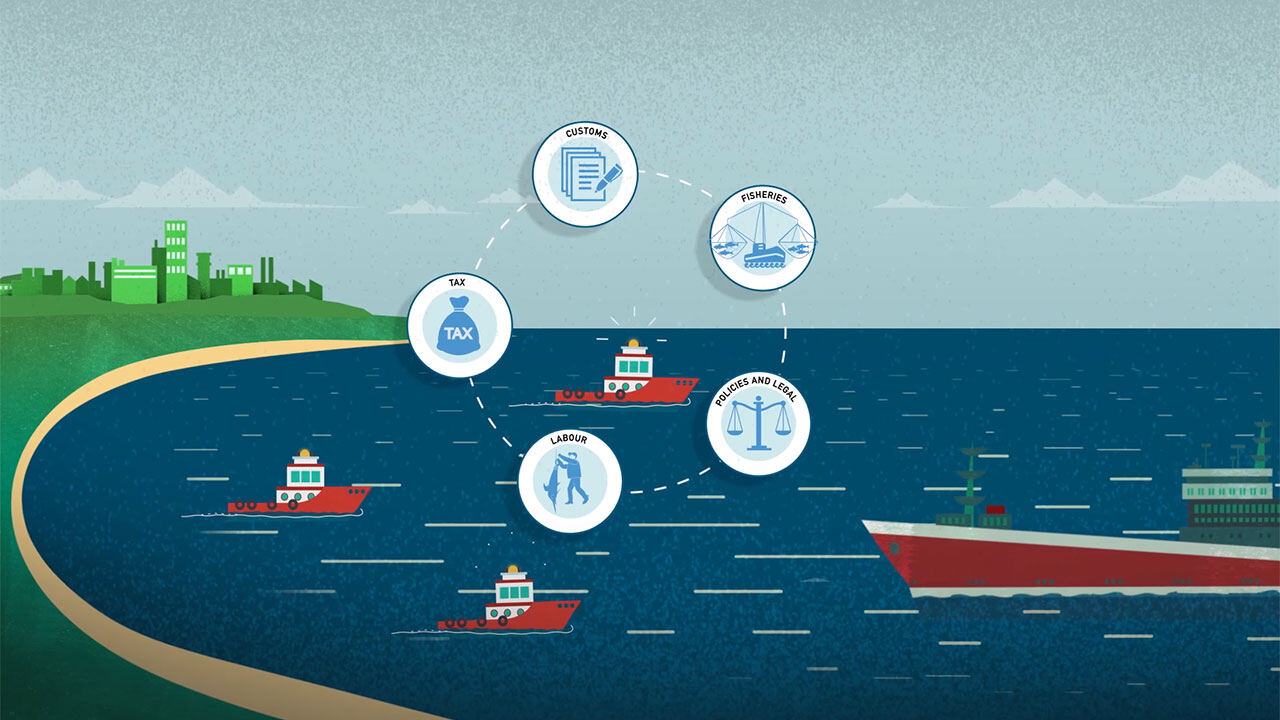
That ocean wealth makes them targets. Fisheries crime goes far beyond illegal fishing: tax and customs fraud, corruption, document fraud and human trafficking all run alongside the fishing industry, often organised across borders. For countries whose economies depend on fisheries and tourism, with small markets and limited means to patrol their waters, the damage is severe.
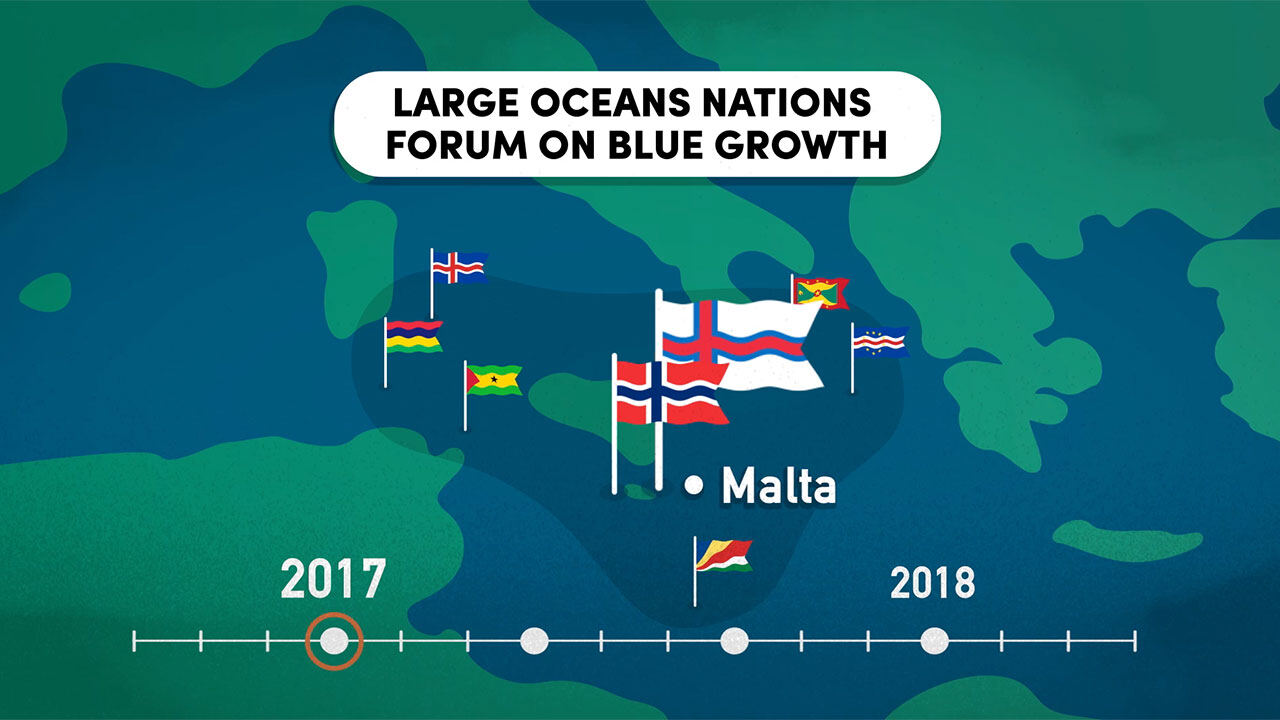
In 2018 PescaDOLUS, with the Faroese Ministry of Fisheries, the Norwegian Ministry of Trade, Industry and Fisheries and the Nordic Council of Ministers, launched the Large Ocean Nations Forum on Transnational Organised Fisheries Crime. It built on the Large Ocean Nations Forum on Blue Growth, held in Malta in 2017. PescaDOLUS asked us to make a film to open the conversation.
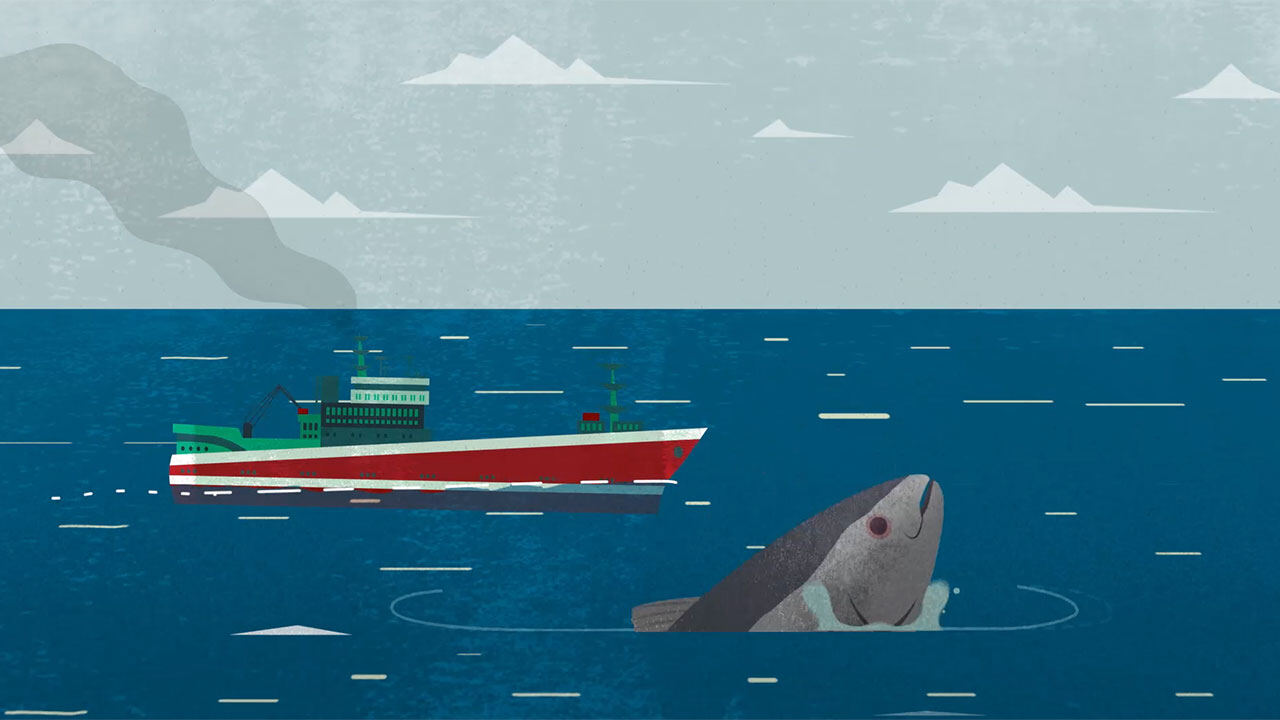
We made a short animation in the same visual world as What is Fisheries Crime?, so the two films work as a series. It starts with the map, showing just how much ocean these nations hold, explains why they are vulnerable, and shows the crimes that target them. It ends with the case for cooperation, and for the role of their oceans in reaching the Sustainable Development Goals.
What the client got
The film was released at the launch of the forum at UN City in Copenhagen in October 2018, where large ocean nations agreed a joint ministerial declaration to cooperate against transnational organised fisheries crime. It was the second educational film PescaDOLUS released, after What is Fisheries Crime?.