Ten years building a global movement against fisheries crime
The creative partner behind the global fight against fisheries crime: brand, websites, films and international conferences, from FishCRIME to Blue Justice.
The need
Who they needed to reach
Ministers, government agencies, enforcement and fisheries officials, international organisations, civil society and the public, in coastal states around the world
What stood in the way
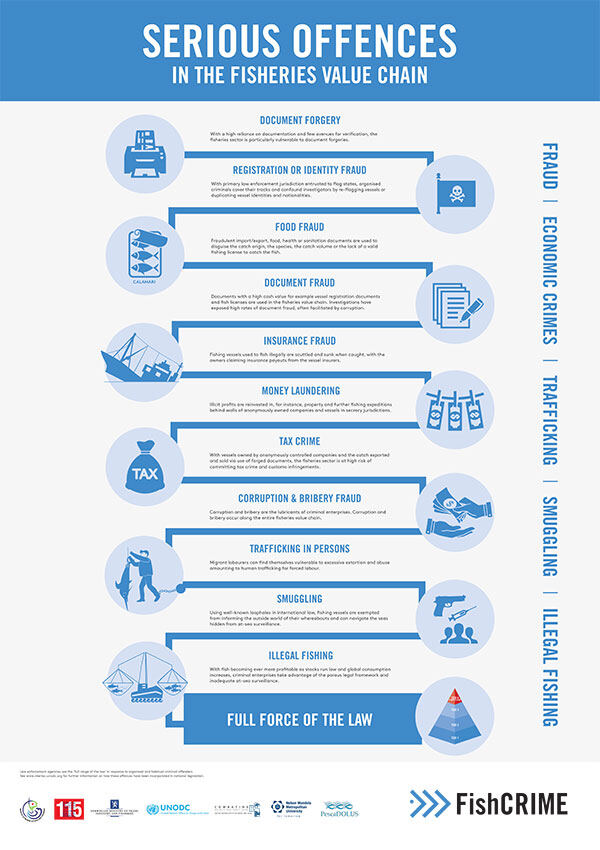
Fisheries crime is not just illegal fishing. Organised criminal networks use the fishing industry for fraud, tax crime, corruption, money laundering, drug smuggling and human trafficking, and they target the countries least able to stop them. For years it was seen as a fisheries management problem, not a crime. Changing that meant persuading governments around the world to treat it as organised crime and to work together across borders, which needed a clear, trusted voice and a movement people could recognise.
What success looked like
Governments, agencies and the public recognising fisheries crime as serious organised crime, and joining a shared international effort to stop it.
How we met the need
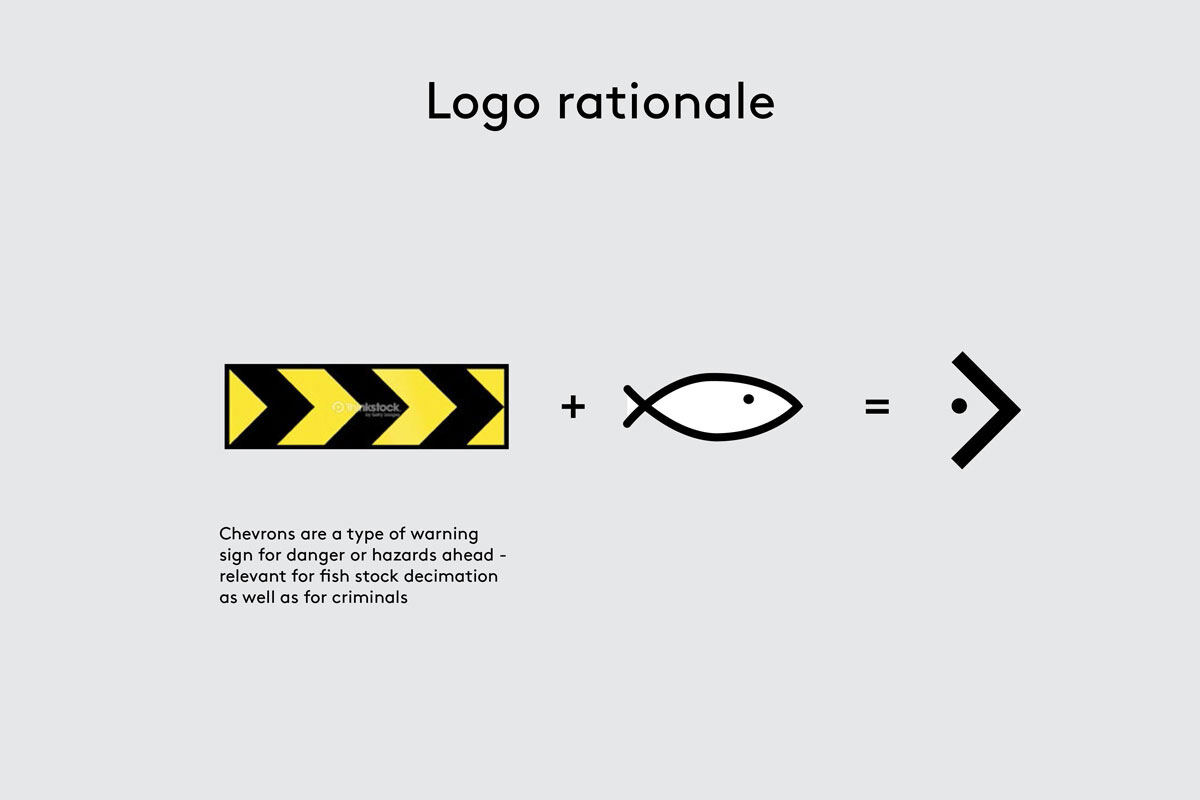
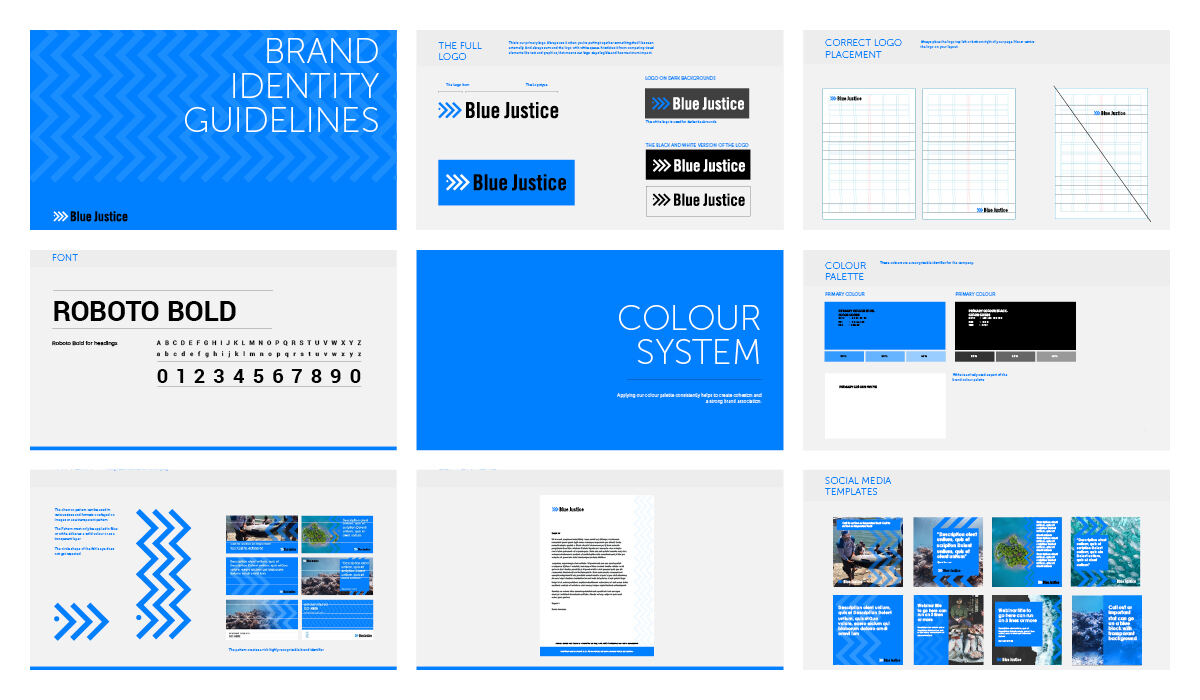
We have been the creative team behind this movement from its early days, with one team handling brand, websites, films and conferences. The identity started with FishCRIME, where we combined a hazard chevron with the shape of a fish into a forward arrow, a warning about crime and fish stocks alike. Those chevrons carried through into the Blue Justice brand. Around that identity we built the websites, made the films that explain fisheries crime to anyone, and branded and produced international conferences, online during COVID-19 and in person since.
The process
Fish is one of the most traded foods in the world, and the fishing industry is one of the most global. That makes it a target for organised crime: fraud, tax and customs crime, corruption, money laundering, drug smuggling and the trafficking and forced labour of fishers. The countries hit hardest are often those with the fewest means to fight back, and for years the problem was treated as a fisheries issue rather than a crime.
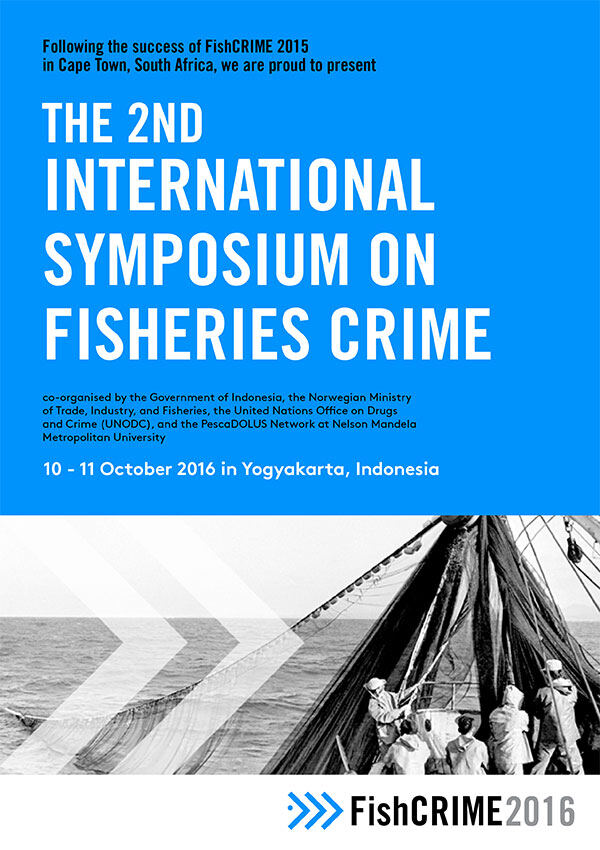
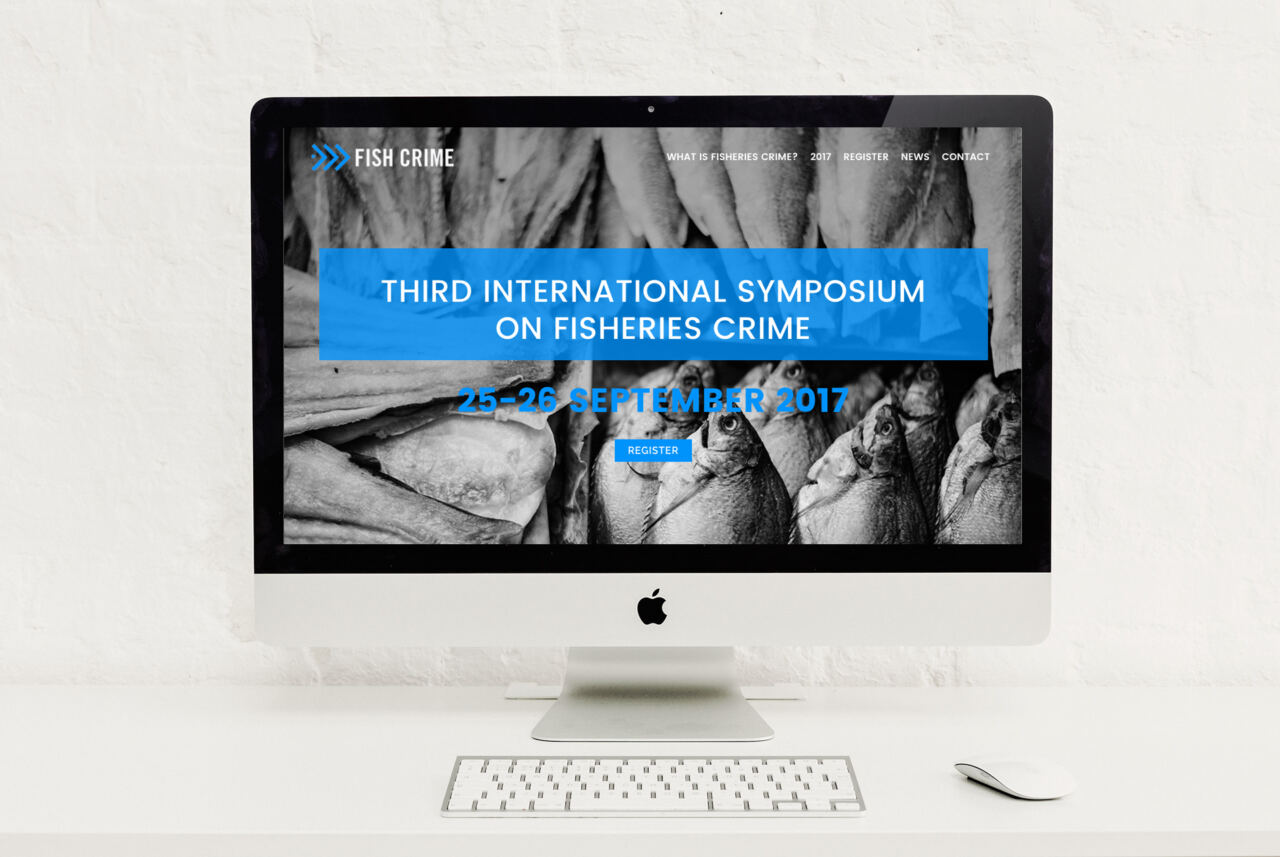
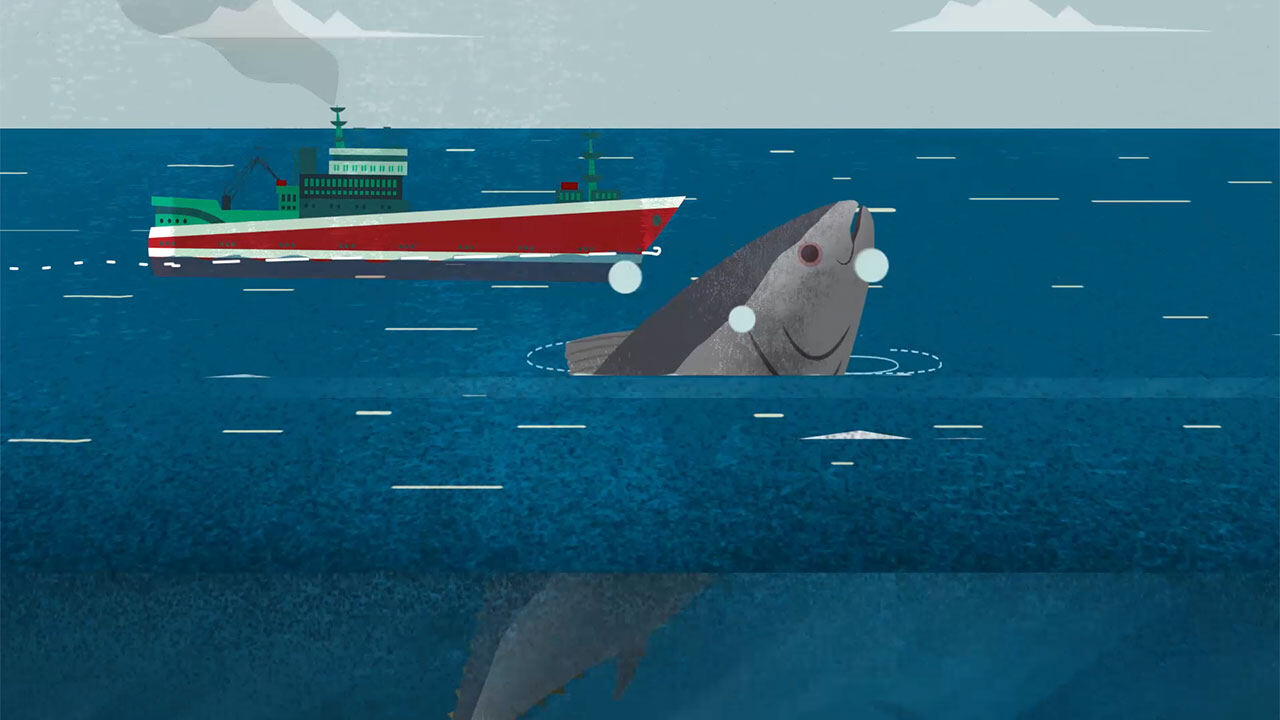
Our work on it began with FishCRIME, the International Symposium on Fisheries Crime, hosted by UNODC, the Norwegian Ministry of Trade, Industry and Fisheries and the PescaDOLUS network. For the second symposium, in Yogyakarta, Indonesia, in 2016, the brand had to stop looking like it was only about fish and reflect the real subject: organised crime across the whole industry. We built the identity on a warning chevron and the shape of a fish, then rolled it out across symposium material, infographics and websites that handled registration and became a library of content on fisheries crime. We also made the first explainer film, Follow the Fish, and then Large Ocean Nations, released at FishCRIME 2018 in Copenhagen.
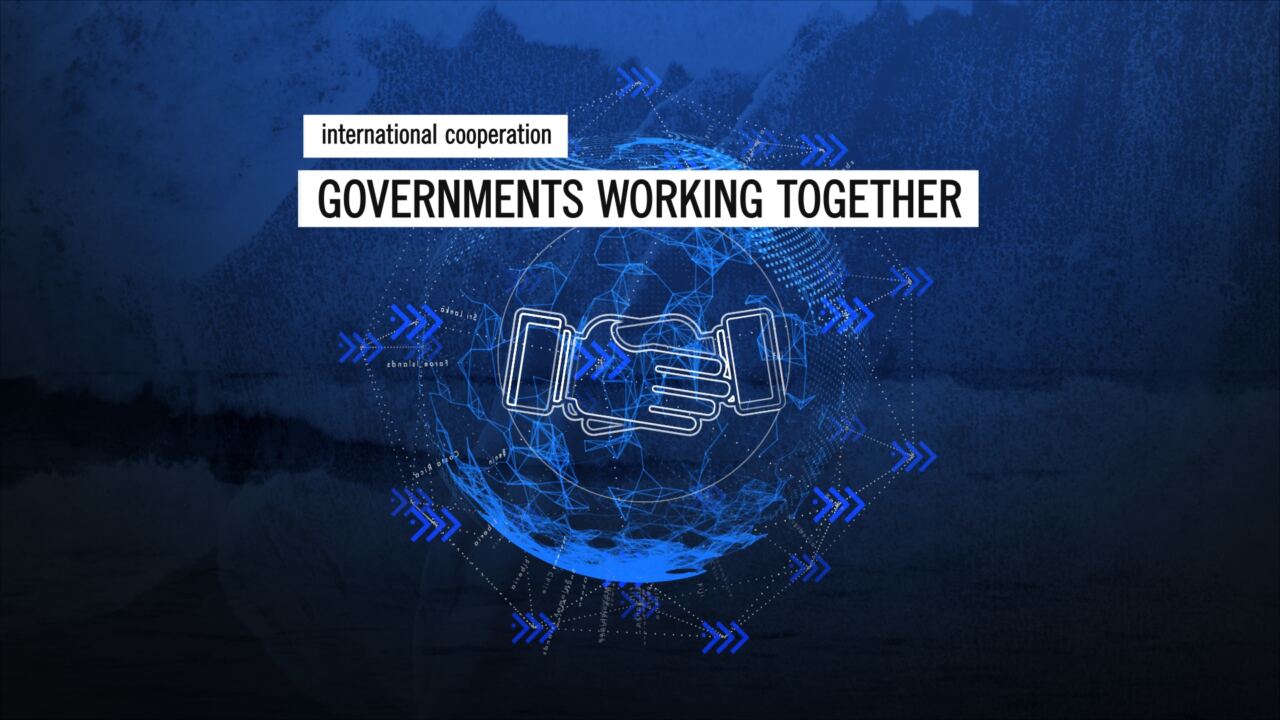
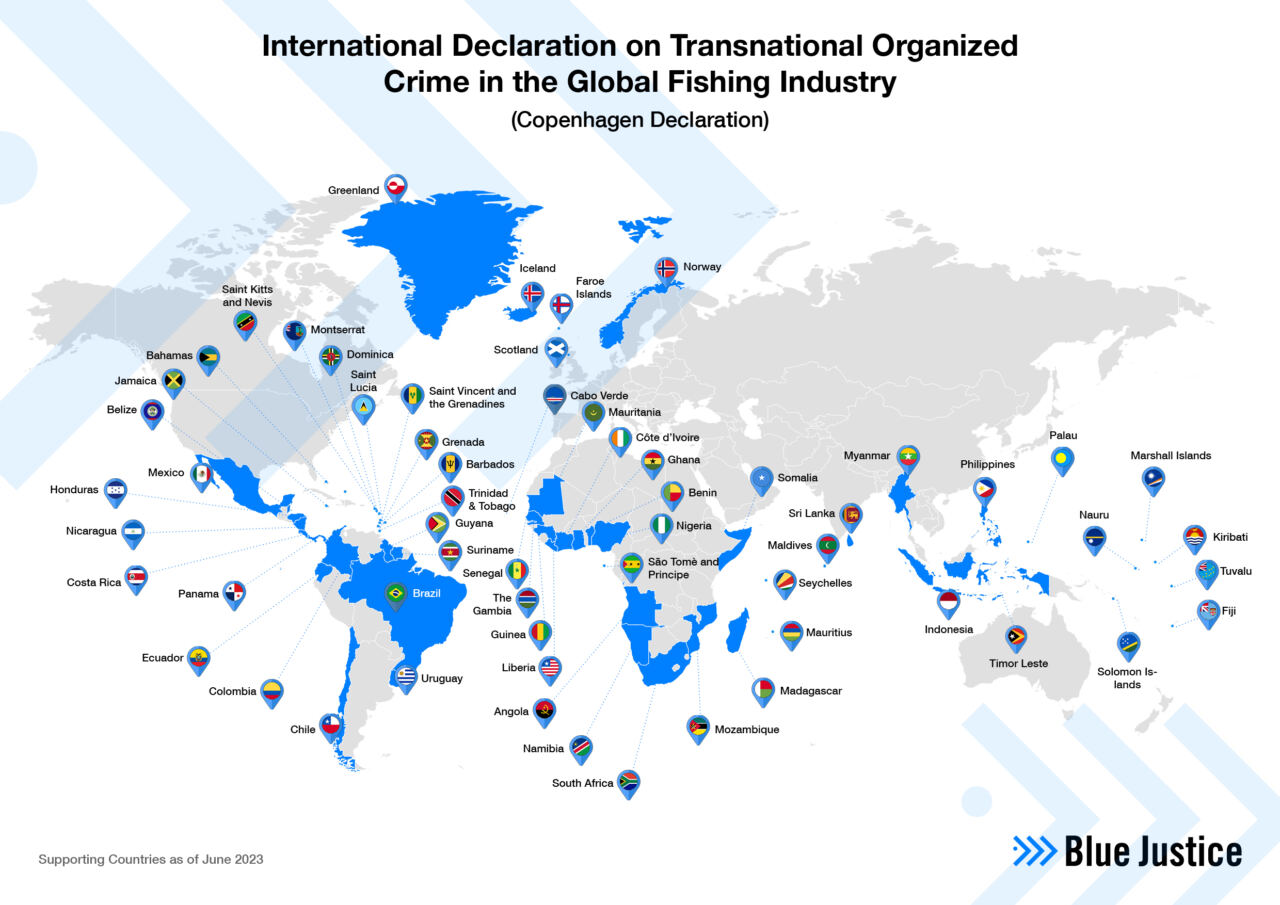
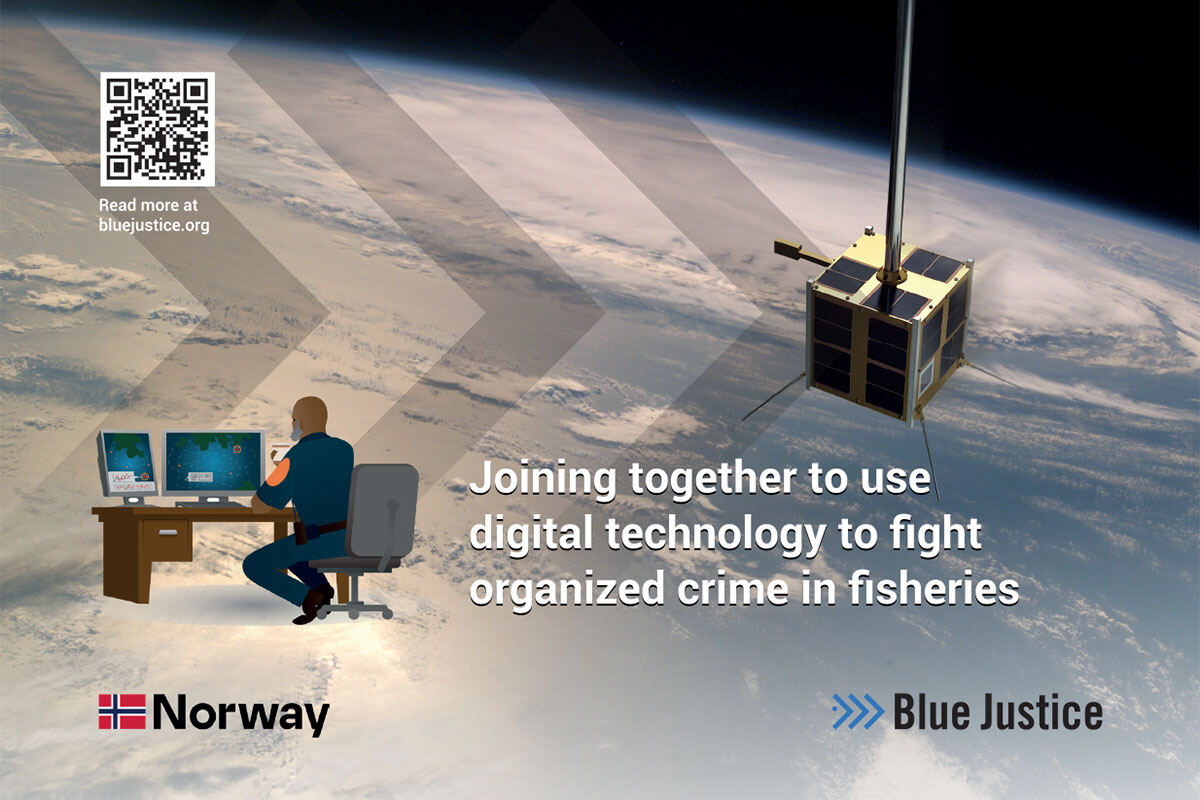
In 2018 nine countries adopted the Copenhagen Declaration against organised crime in the global fishing industry, and Norway launched the Blue Justice Initiative to help countries put it into practice. The FishCRIME chevrons became the Blue Justice brand, and we designed and built its first website, whose structure still forms the basis of the site today. When COVID-19 stopped travel in 2020, we moved the work online: a high-level digital conference and an animation to launch the Blue Justice Community, a secure platform for governments to cooperate.
Since then we have made Whole Fish, a public service film on what fisheries crime costs local communities, branded the Blue Justice Conference 2023 at UN City in Copenhagen, where nine more countries signed the Declaration, gave the Blue Justice Conference 2025 a new identity under the theme United in Action, and made Taking Back Our Oceans, a documentary on the people fighting back, which premiered there. Ten years on, one team has given a global movement one consistent face.
How it ran
- 2016 to 201801FishCRIME
A new identity for the International Symposium on Fisheries Crime in Yogyakarta, Indonesia, then symposium websites with registration, infographics and the first explainer film.
- 201802Large Ocean Nations
A film released at FishCRIME 2018 in Copenhagen, where the Copenhagen Declaration on organised crime in the fishing industry was adopted.
- 2019 to 202003Blue Justice
The Blue Justice brand and website, built on the FishCRIME chevrons, for Norway's new initiative to put the Declaration into practice.
- 202004Going digital
When COVID-19 stopped travel, a high-level digital conference and an animation to launch the Blue Justice Community, a secure platform for governments.
- 202105Whole Fish
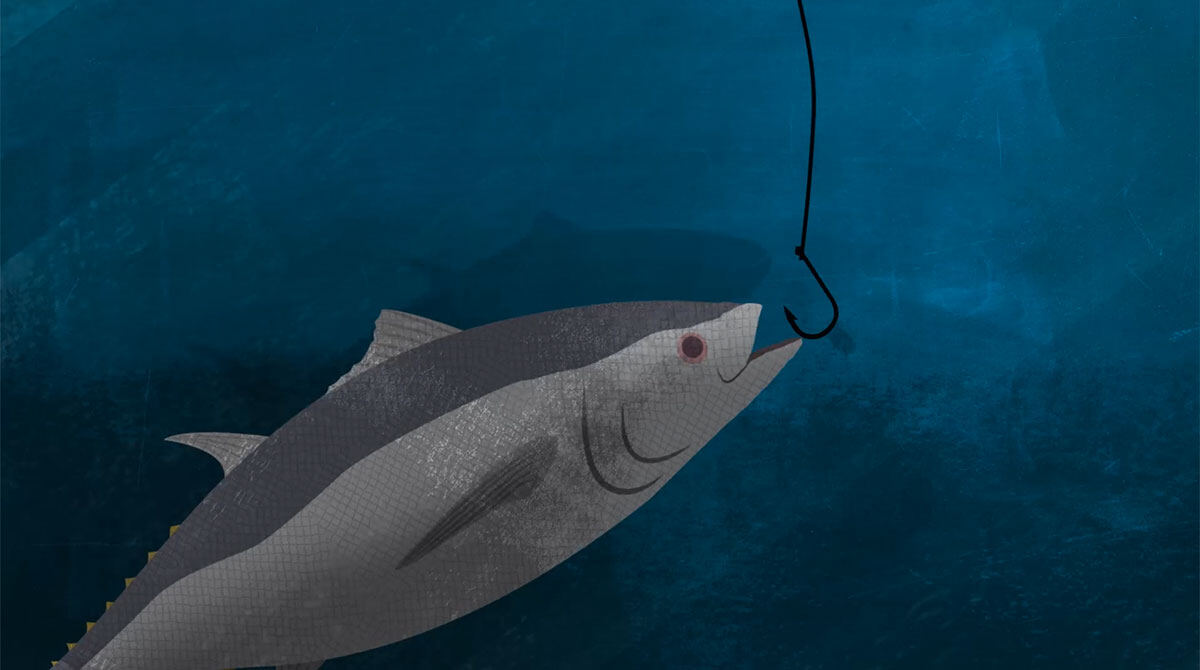
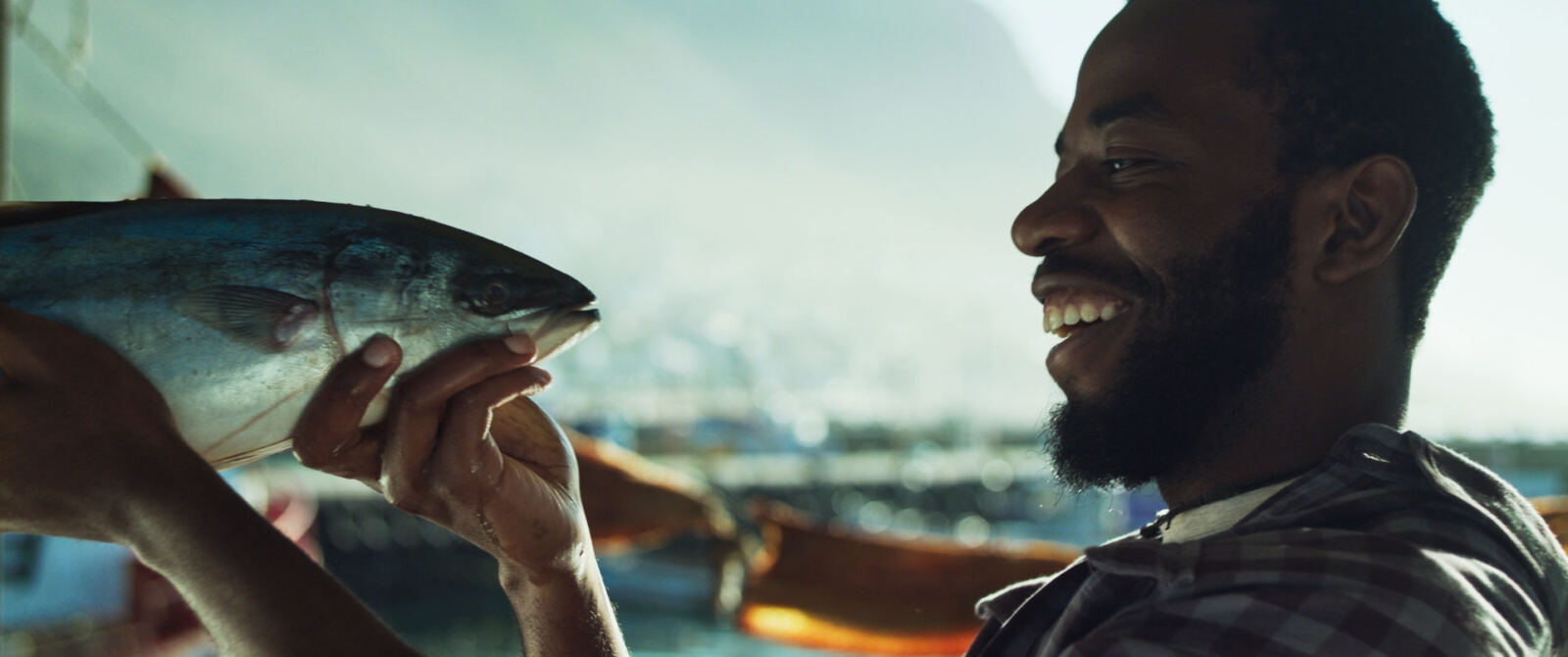
A public service film that makes the cost of fisheries crime to local communities easy to feel.
- 202306Back in the room
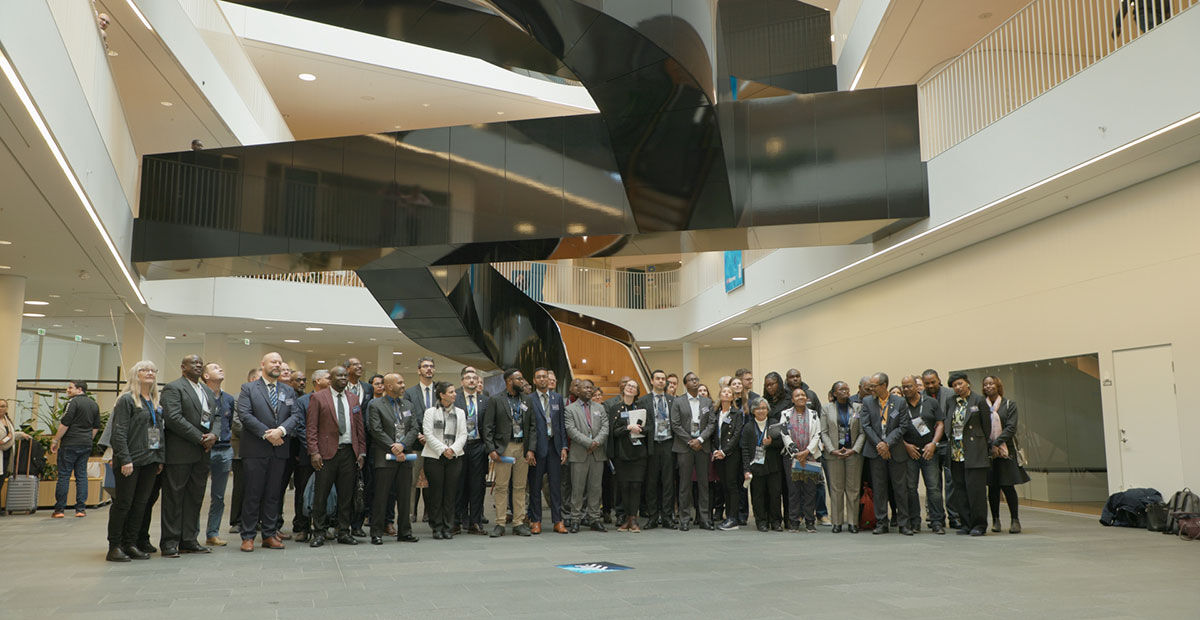
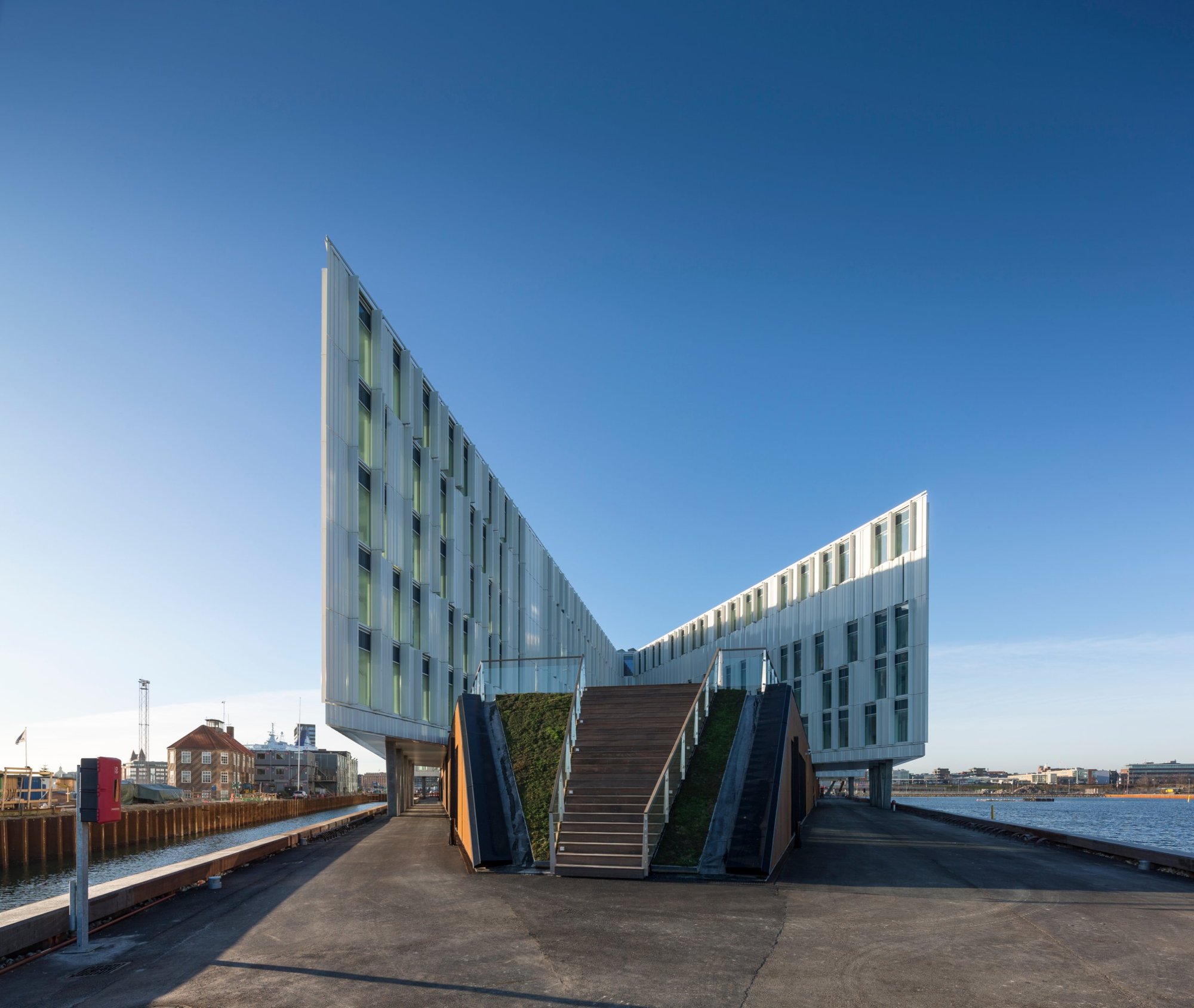
The Blue Justice Conference at UN City, Copenhagen, with 140+ delegates, branded from stage to name tags.
- 202507United in Action
A new identity for the Blue Justice Conference 2025 at UN City, streamed in four languages, and the premiere of Taking Back Our Oceans.
- 202608Taking Back Our Oceans
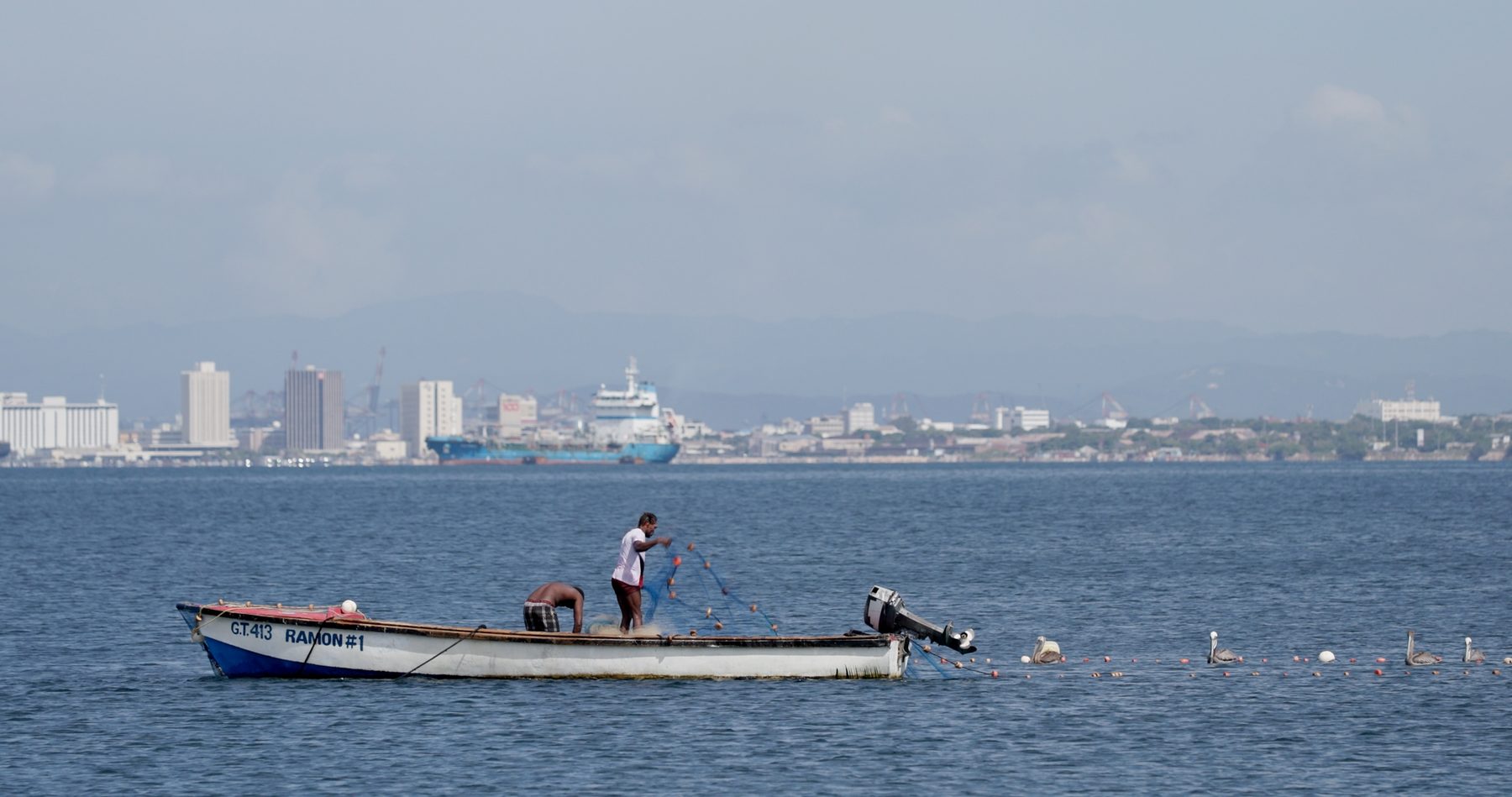
A documentary following the people fighting fisheries crime, from Jamaica to Norway.
What the client got
Fisheries crime is now on the international agenda as organised crime. Support for the Copenhagen Declaration grew from 9 countries in 2018 to 60 in 2023, more than a third of the world's coastal states, with regional hubs such as the Caribbean hub launched in 2023. Throughout, one identity and one team have given the movement a face people recognise, from conference stages to screens.
Related work
A legal concept made simple
Released at FishCRIME 2018
Fisheries crime made tangible
One identity for 140+ delegates
One theme for a global conference, in the room and online
A documentary on fisheries crime and the people fighting it